Generalized pustular psoriasis (von Zumbusch)
Exam relevance: in 3 of more than 50 board exam reports · rank 45
- Synonyms
- Typ Zumbusch, generalised pustular psoriasis, GPP, von Zumbusch psoriasis
- Specialty
- Dermatology · Inflammatory skin diseases
- Images
- Clinical 2
- In the app
- 7 flashcards
- Last updated
- 10/2026 · Dr. Pascal Bafteh
Contents
Images (2)
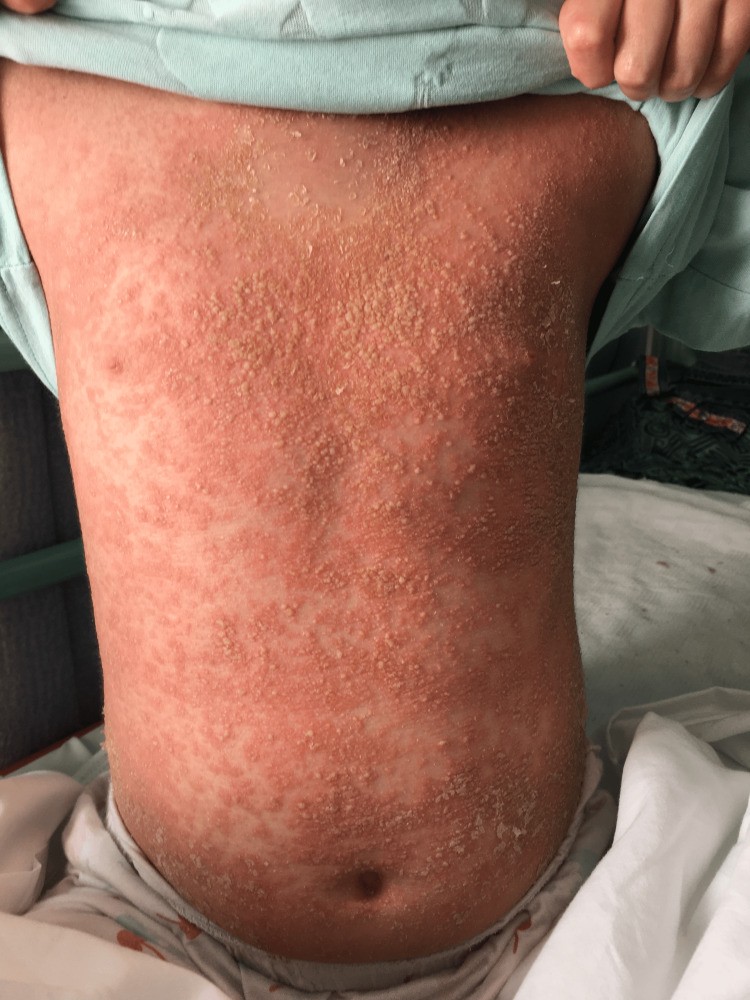
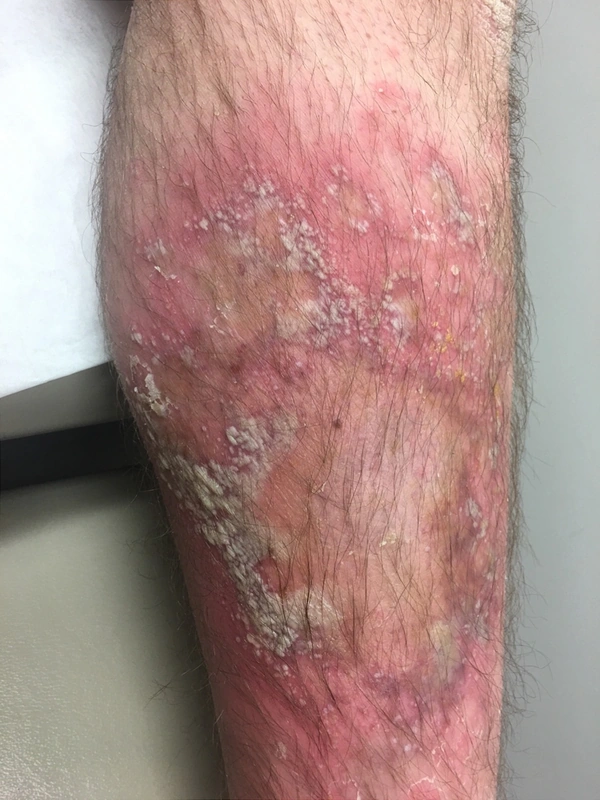
Definition
Generalised pustular psoriasis (GPP, von Zumbusch type) is a rare, severe form of psoriasis with sudden flares of widespread sterile pustules on inflamed red skin, usually with fever and malaise. Some patients carry mutations in the IL36RN gene.
- Clinical Presentation: 5th–6th decade of life, potentially life-threatening, fever + pronounced malaise.
- Pathology: Pathogenesis is Neutrophils + sterile pustules with IL-36 dominant, plus IL-1/IL-17A.
- Clinical spread: Often begins intertriginously (typical of impetigo herpetiformis) → trunk → extremities; inflammatory signs + neutrophilia + hypoalbuminemia + hypocalcemia.
Aetiopathogenesis
Described triggers include infections, pregnancy (impetigo herpetiformis), hypocalcaemia, stress and drugs.
Diagnosis
- Clinical picture with fever; laboratory: leucocytosis with neutrophilia, raised CRP, hypoalbuminaemia, hypocalcaemia, sometimes raised liver enzymes.
- Histology: spongiform pustules of Kogoj (neutrophils in the stratum spinosum) and Munro microabscesses in the stratum corneum.
- Distinction from AGEP (drug history, short course) and subcorneal pustular dermatosis.
Differential diagnoses
 Erythema nodosum
 Impetigo (impetigo contagiosa)
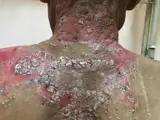 Pemphigus vulgaris
 Scabies
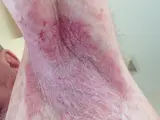 Hailey-Hailey disease
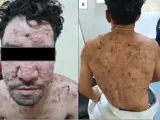 Acne fulminans
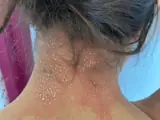 AGEP (acute generalized exanthematous pustulosis)
Image credits for the thumbnails
- Erythema nodosum: James Heilman, MD, “ENlegs”, CC BY-SA 3.0, via Wikimedia Commons · CC BY-SA 3.0 · Source
- Impetigo (impetigo contagiosa): Littlekidsdoc, “Bullous impetigo”, CC BY-SA 4.0, via Wikimedia Commons · CC BY-SA 4.0 · Source
- Pemphigus vulgaris: Mohammad2018, CC BY-SA 4.0, via Wikimedia Commons, cropped · CC BY-SA 4.0 · Source
- Scabies: Gzzz, “Scabies hand and fingers 1”, CC BY-SA 4.0, via Wikimedia Commons · CC BY-SA 4.0 · Source
- Hailey-Hailey disease: Squeakycatta, “Before Magnesium Chloride”, CC BY-SA 4.0, via Wikimedia Commons · CC BY-SA 4.0 · Source
- Acne fulminans: Lahrougui A, Aboudourib M, Bendaoud L, Amal S, Hocar O, Cureus 2025, Figure 1, CC BY 4.0, via PubMed Central (PMC12123476) · CC BY 4.0 · Source
- AGEP (acute generalized exanthematous pustulosis): El Hassani Taib H, El Moustaoui M, Ammar N et al. (Cureus 2026), CC BY 4.0, via PubMed Central (PMC13133423) · CC BY 4.0 · Source
Treatment principles
- Generalised pustular psoriasis is potentially life-threatening and is usually treated as an inpatient, with fluid and electrolyte replacement, temperature control and monitoring for infection.
- Systemic options include retinoids, immunosuppressants and biologics, including targeted IL-36 receptor blockade.
- Abrupt withdrawal of systemic glucocorticoids is a typical trigger and should be avoided.
Guideline: AWMF guideline register (no. 013-107)
Specific treatment regimens with drugs and doses are covered in the DermaFuchs app.
Keep learning in the app
References (selection)
Cross-references
Mentioned in
Keep learning: test yourself
One question from the DermaFuchs app on Generalized pustular psoriasis (von Zumbusch) – tap an answer.
Question 1 of 1
What are the hallmark pathological findings in generalized pustular psoriasis (GPP)?
Answer
Correct: Neutrophils + sterile pustules. The pathogenesis of GPP is characterized by massive neutrophilic infiltration leading to the formation of sterile pustules.
More questions like these – with explanations and spaced repetition – in the app.
Note: This page is intended for medical education and does not replace diagnosis or treatment decisions in individual cases.