Metabolic syndrome
Board exam relevance: in 4 of 105 exam reports · rank 90- Synonyms
- syndrome X, insulin resistance syndrome, metabolic syndrome X, belly fat, apple shape, MetS
- Specialty
- Internal medicine · Endocrinology & diabetes
- Images
- Clinical 1 · Histology 1
- Last updated
- 10/2026 · Dr. Pascal Bafteh
Contents
Images (2)

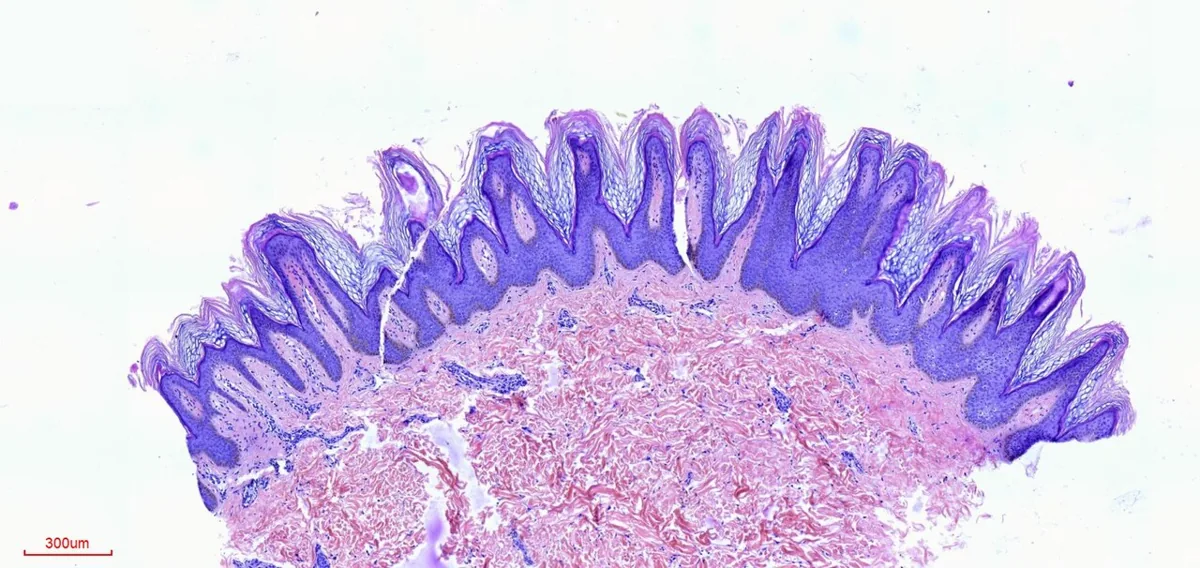 Histology
Definition
Metabolic syndrome refers to the combined occurrence of abdominal (visceral) obesity, arterial hypertension, impaired glucose metabolism or insulin resistance and dyslipidemia. It identifies people at markedly increased risk of type 2 diabetes and atherosclerotic cardiovascular disease. Synonyms are syndrome X and insulin resistance syndrome.
Classification
Diagnostic criteria
Several definitions exist. According to the definition given in the German National Care Guideline (NVL) on type 2 diabetes, metabolic syndrome is present when three of five criteria are met:
- Central obesity: waist circumference ≥ 102 cm in men, ≥ 88 cm in women (values for people of European origin)
- Triglycerides: ≥ 150 mg/dl (1.7 mmol/l)
- Low HDL cholesterol: men < 40 mg/dl (1.0 mmol/l), women < 50 mg/dl (1.3 mmol/l)
- Blood pressure: systolic ≥ 130 mmHg and/or diastolic ≥ 85 mmHg
- Fasting glucose: ≥ 100 mg/dl (5.6 mmol/l)
A value already lowered by drugs counts as a fulfilled criterion in each case. For other ethnic groups, lower waist thresholds are used in part.
Occurrence & epidemiology
The frequency of metabolic syndrome parallels that of obesity and type 2 diabetes and increases with age. In a US survey it was about 23 % in the general population, 44 % in people aged 60 to 69 and 42 % in those aged 70 and over. Children and adolescents can also be affected; there is no uniform definition for these age groups.
Aetiopathogenesis
Besides the amount, the distribution of adipose tissue is decisive: central (visceral) obesity with a high waist-to-hip ratio ("apple shape") increases the risk, whereas fat distributed around the hips and thighs ("pear shape") does so much less.
- Visceral fat delivers increased free fatty acids via the portal vein; fat accumulates in the liver and in muscle cells.
- Insulin resistance with a compensatory increase in insulin secretion develops, leading to impaired glucose metabolism, dyslipidemia and hypertension.
- Uric acid is often raised; there is a prothrombotic state (increased fibrinogen and PAI-1) and a chronic inflammatory state.
- Smoking raises triglycerides and lowers HDL cholesterol; chronic stress may contribute through hormonal changes.
Clinical features
Metabolic syndrome itself usually causes no symptoms; clinically, central obesity is noticeable, sometimes with acanthosis nigricans as a skin sign of insulin resistance. The associated diseases and complications are important:
- type 2 diabetes and prediabetes
- atherosclerotic cardiovascular disease (coronary artery disease, stroke, peripheral artery disease)
- metabolic dysfunction-associated steatotic liver disease (MASLD)
- hyperuricemia and gout
- polycystic ovary syndrome in women, low testosterone and erectile dysfunction in men
Diagnosis
- History: family history of type 2 diabetes and cardiovascular disease, smoking, physical activity
- Physical examination: waist circumference, weight and body mass index, blood pressure; skin signs of insulin resistance
- Laboratory tests: fasting glucose (possibly HbA1c), lipid profile with triglycerides and HDL cholesterol; additionally uric acid and liver enzymes
- Imaging: liver ultrasound if steatosis is suspected
Waist circumference predicts the risk of metabolic and cardiovascular complications better than body mass index.
Keep learning in the app
Further reading (open access)
Cross-references
More topics: Endocrinology & diabetes
Note: Learning content for medical education – not a treatment recommendation and no substitute for diagnosis or treatment decisions in individual cases. Treatment and management are deliberately not covered on this page.