Type 2 diabetes mellitus
Board exam relevance: in 18 of 105 exam reports · rank 8- Synonyms
- type 2 diabetes, adult-onset diabetes, sugar diabetes, T2D, diabetes, prediabetes, insulin resistance, high blood sugar
- Specialty
- Internal medicine · Endocrinology & diabetes
- Images
- Clinical 3
- Last updated
- 10/2026 · Dr. Pascal Bafteh
Contents
Images (3)
Definition
Type 2 diabetes mellitus is a chronic metabolic disease characterized by insulin resistance and insulin secretion that is inadequate relative to demand. The result is chronic hyperglycemia. More than 90 % of adults with diabetes have type 2 diabetes.
Prediabetes (increased risk of diabetes) refers to the range between normal and diabetic glucose values. It often precedes type 2 diabetes by years and is already associated with increased cardiovascular risk.
Classification
Glucose categories
- Normal: fasting plasma glucose < 100 mg/dl (< 5.6 mmol/l), HbA1c < 5.7 % (< 39 mmol/mol).
- Increased risk of diabetes: impaired fasting glucose (IFG) 100–125 mg/dl (5.6–6.9 mmol/l), impaired glucose tolerance (IGT) with a 2-hour value of 140–199 mg/dl (7.8–11.0 mmol/l) or HbA1c 5.7 to < 6.5 % (39 to < 48 mmol/mol). According to the WHO, the IFG range starts only at 110 mg/dl (6.1 mmol/l).
- Diabetes: fasting plasma glucose ≥ 126 mg/dl (≥ 7.0 mmol/l), HbA1c ≥ 6.5 % (≥ 48 mmol/mol) or 2-hour value ≥ 200 mg/dl (≥ 11.1 mmol/l).
Occurrence & epidemiology
In the nationwide German RKI survey GEDA 2019/2020, 8.9 % of adults reported diabetes known in the previous twelve months (women 8.2 %, men 9.6 %). Below the age of 45 the frequency is under 3.5 %; it rises with age and reaches 17.9 % in women and 22.3 % in men aged 80 and over. In German statutory health insurance data, about 93 % of diabetes cases are type 2 diabetes.
The prevalence of known diabetes in Germany has increased (1997–1999: 5.2 %; 2008–2011: 7.2 %; 2019/2020: 8.9 %). In addition, about 2.0 % of 18- to 79-year-olds had previously undiagnosed diabetes in 2008–2011.
Aetiopathogenesis
Pathophysiology
Hyperglycemia develops when insulin secretion can no longer compensate for insulin resistance.
- Hepatic insulin resistance: hepatic glucose production is not sufficiently suppressed.
- Peripheral insulin resistance: peripheral glucose uptake is reduced. Together with hepatic insulin resistance, this results in fasting and postprandial hyperglycemia.
- Beta-cell dysfunction: loss of pulsatile insulin secretion, increased release of proinsulin and deposition of islet amyloid (amylin). Early in the course, insulin secretion is often increased; later it declines.
- Glucotoxicity: hyperglycemia itself further impairs beta-cell function.
- Adipose tissue: increased lipolysis raises plasma free fatty acids, which impair glucose transport into the cells. Adipokines have favorable (adiponectin) or unfavorable (TNF-alpha, interleukin-6, leptin, resistin) effects on glucose metabolism.
Risk factors
Genetic and environmental factors interact; the disease clusters in families, but no single responsible gene is known for the common forms.
- overweight and obesity (BMI > 25 kg/m², > 23 kg/m² in people of Asian descent), particularly visceral fat distribution
- physical inactivity and older age
- type 2 diabetes in first-degree relatives
- prediabetes, gestational diabetes or delivery of a baby weighing more than 4,000 g
- dyslipidemia, arterial hypertension, metabolic dysfunction-associated steatotic liver disease (MASLD)
- certain medicines, e.g. glucocorticoid-induced or caused by antipsychotics
- intrauterine growth restriction and low birth weight
Clinical features
Symptoms and signs
The mild hyperglycemia of early type 2 diabetes often remains asymptomatic for years; symptoms are also frequently overlooked.
- Symptoms of hyperglycemia: polyuria, thirst and polydipsia, fatigue, weakness, blurred vision, unintentional weight loss
- Susceptibility to infection: bacterial and fungal infections, particularly mucocutaneous fungal infections such as oral and vaginal candidiasis
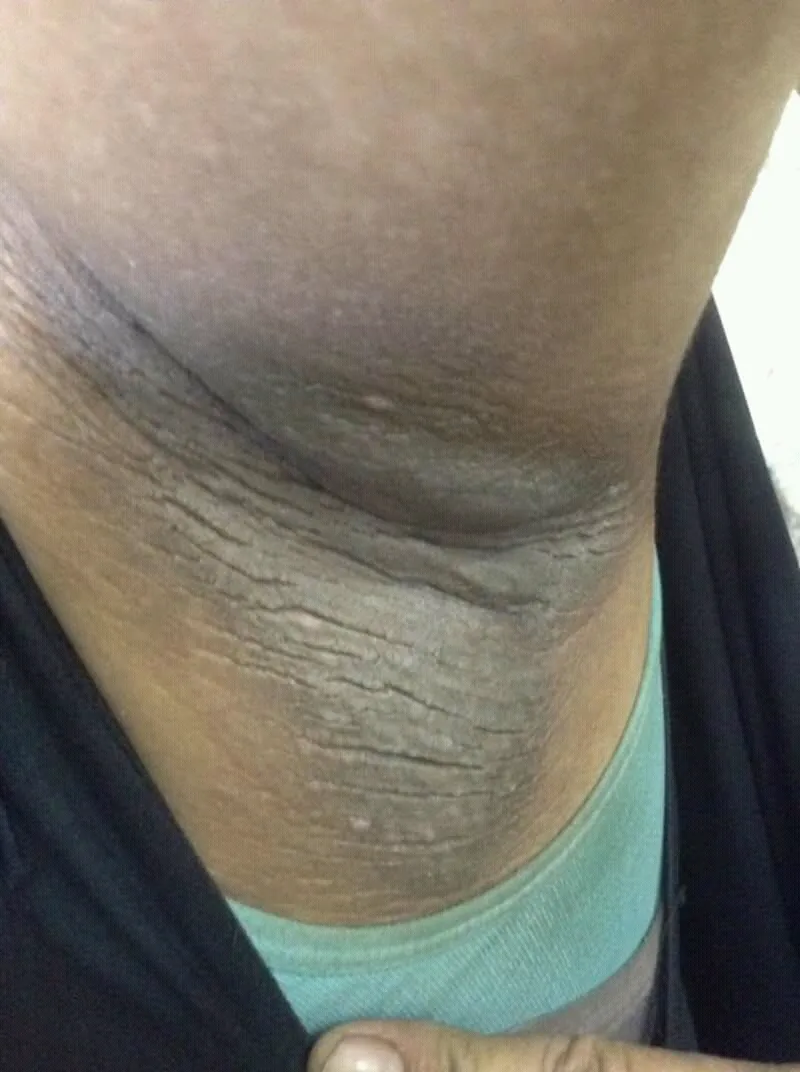
- Signs of insulin resistance: overweight with abdominal emphasis, acanthosis nigricans (neck, axillae), multiple skin tags
- First presentation with complications: some patients first come to attention because of late complications or a hyperosmolar hyperglycemic state.
Complications and comorbidities
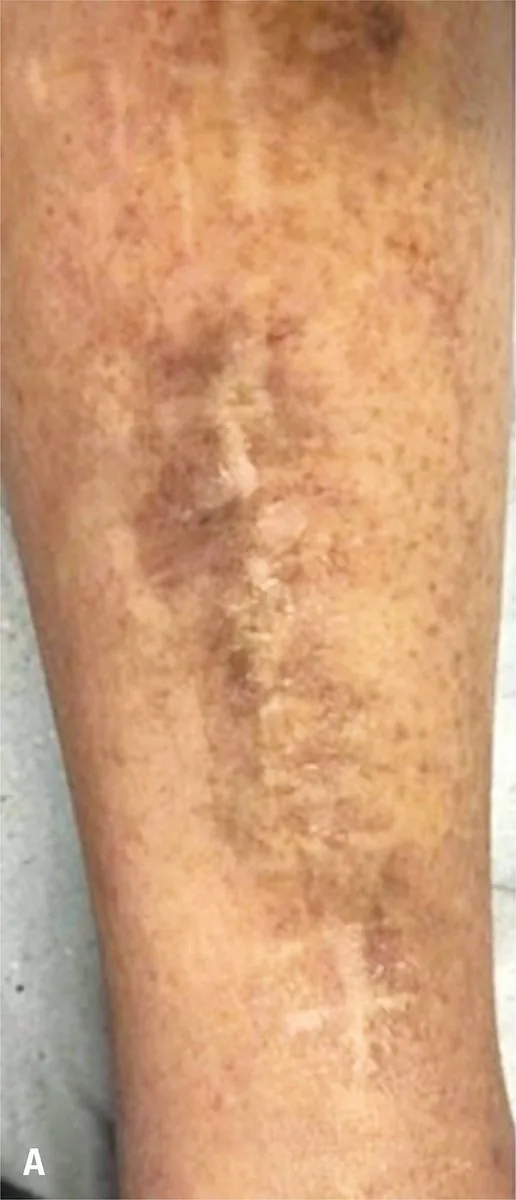
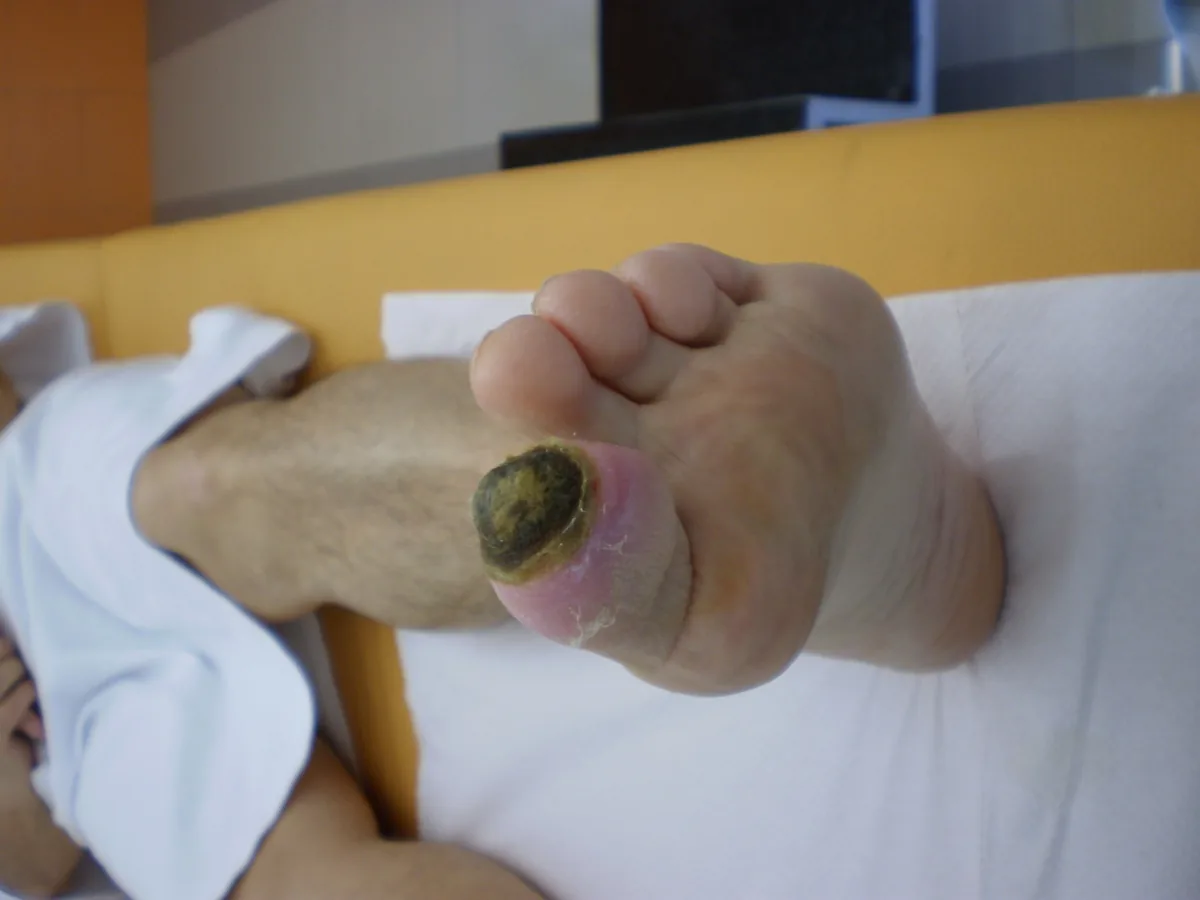
- Microvascular: diabetic retinopathy, nephropathy (beginning with moderately increased albuminuria, albumin-to-creatinine ratio ≥ 30 mg/g) and neuropathy; diabetic foot syndrome can develop from these.
- Macrovascular: atherosclerosis with coronary artery disease, stroke and peripheral artery disease.
- Heart: diabetic cardiomyopathy and heart failure.
- Liver: MASLD or MASH with possible fibrosis; in some studies present in more than half of people with type 2 diabetes.
- Other: infections, erectile dysfunction, depression.
In German healthcare data, people with diabetes have hypertension, coronary artery disease, heart failure, stroke and depression 1.4 to 1.9 times more often than people without diabetes.
Diagnosis
Laboratory tests
- Diagnosis: fasting plasma glucose ≥ 126 mg/dl (≥ 7.0 mmol/l), HbA1c ≥ 6.5 % (≥ 48 mmol/mol) or 2-hour value in the oral glucose tolerance test (75 g) ≥ 200 mg/dl (≥ 11.1 mmol/l).
- Confirmation: without typical symptoms, two values in the diabetic range are required; they can be measured from the same blood sample (e.g. glucose and HbA1c) or at different times. With typical symptoms, one clearly abnormal value is sufficient, as is a random glucose ≥ 200 mg/dl (≥ 11.1 mmol/l).
- Limits of HbA1c: it reflects mean glucose over roughly the previous three months and can be falsely high or low because of interfering factors.
- Classification: if autoimmune diabetes (e.g. LADA) is suspected, islet autoantibodies and C-peptide are helpful.
Keep learning in the app
Further reading (open access)
Cross-references
More topics: Endocrinology & diabetes
Note: Learning content for medical education – not a treatment recommendation and no substitute for diagnosis or treatment decisions in individual cases. Treatment and management are deliberately not covered on this page.