Cimicosis (bed bug bites)
- Synonyms
- Bettwanzenstiche, bed bugs, bed bug bites, cimicosis
- Specialty
- Dermatology · Parasitic skin diseases
- Images
- Clinical 2
- In the app
- 1 flashcard
- Last updated
- 10/2026 · Dr. Pascal Bafteh
Contents
Images (2)
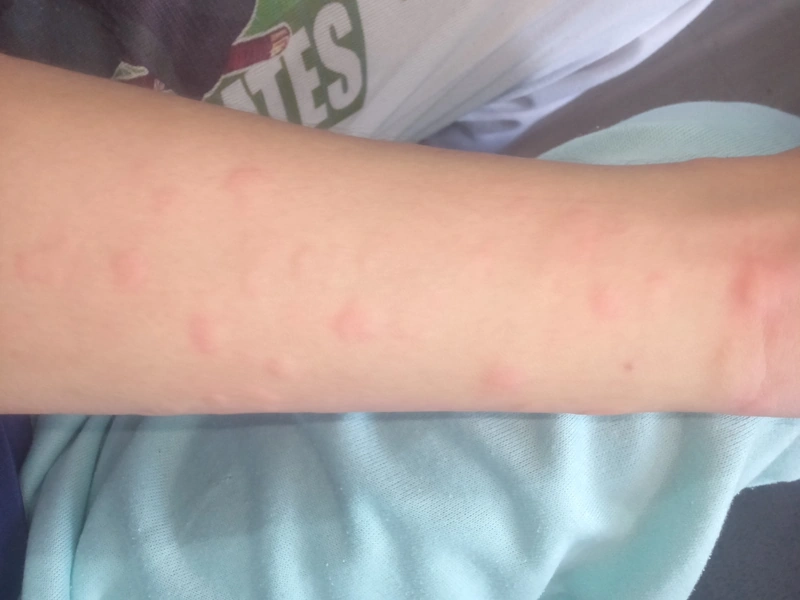
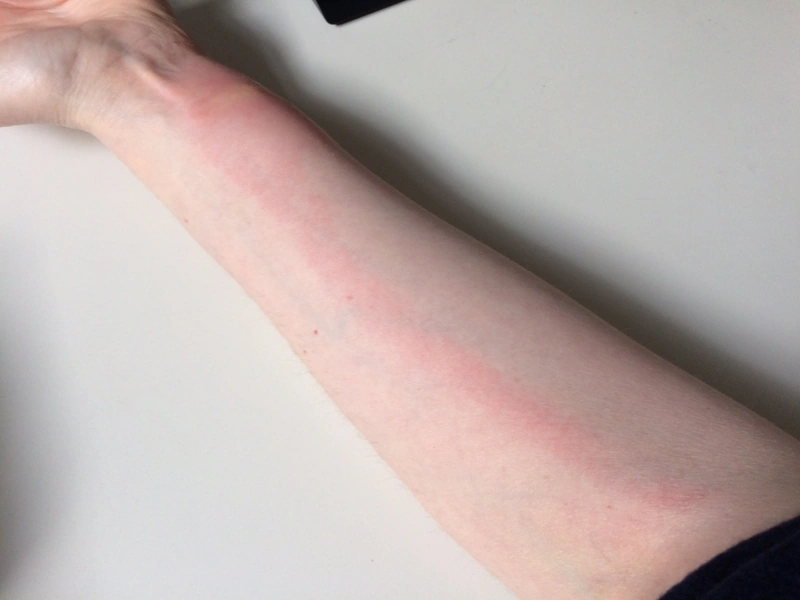
Definition
- Causative agent: Cimex lectularius (common bed bug) — nocturnal ectoparasite.
- Habitat: Typical are dark crevices in furniture — seek out the sleeping host at night (blood meal about 3–10 min), then return to their hiding places.
- Clinical presentation: Characteristic are grouped papules in rows ("breakfast-lunch-dinner" arrangement) with central hemorrhagic bite site.
- Diagnosis: clinical + history (hotel stay, travel, furniture) + vector detection in bed.
Occurrence & epidemiology
Bed bugs are found worldwide and have increased markedly in recent decades, favoured by travel and the trade in second-hand furniture. According to current knowledge, bed bugs do not transmit infectious diseases.
Clinical features
- Up to 70% of people bitten show no skin reaction; otherwise itchy, usually 2–5 mm red papules or wheals with a central punctum, often in rows or clusters on skin not covered by the duvet (face, neck, arms, legs).
- In sensitised people hypersensitivity reactions, including vesicles, purpura or pustules, rarely anaphylaxis; excoriations and impetiginisation are possible.
Differential diagnoses
 Urticaria
 Atopic dermatitis (atopic eczema)
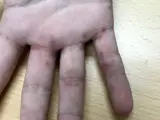 Scabies
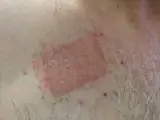 Contact dermatitis (contact eczema)
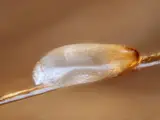 Pediculosis capitis
Image credits for the thumbnails
- Urticaria: Gzzz, “Urticaria child”, CC BY-SA 4.0, via Wikimedia Commons · CC BY-SA 4.0 · Source
- Atopic dermatitis (atopic eczema): Eisfelder, “Atopic dermatitis child”, CC BY-SA 3.0, via Wikimedia Commons · CC BY-SA 3.0 · Source
- Scabies: Gzzz, “Scabies hand and fingers 1”, CC BY-SA 4.0, via Wikimedia Commons · CC BY-SA 4.0 · Source
- Contact dermatitis (contact eczema): Dr.khatmando, “Severe contact dermatitis buprenorphine transdermal patch”, CC BY-SA 4.0, via Wikimedia Commons · CC BY-SA 4.0 · Source
- Pediculosis capitis: Gilles San Martin, “Human head louse egg”, CC BY-SA 2.0, via Wikimedia Commons · CC BY-SA 2.0 · Source
Treatment principles
- The bites heal spontaneously; treatment is symptomatic with topical glucocorticoids and oral antihistamines for pruritus, and superinfected excoriations are treated with antiseptics.
- The decisive measure is eradication of the infestation in the home by professional pest control, as otherwise new bites will keep occurring.
Specific treatment regimens with drugs and doses are covered in the DermaFuchs app.
Keep learning in the app
References (selection)
Cross-references
Mentioned in
Keep learning
Keep learning with flashcards, exam questions and spot diagnoses in the DermaFuchs app – free, in your browser or as an app.
Related pages: Urticaria · Atopic dermatitis (atopic eczema) · Scabies
Note: This page is intended for medical education and does not replace diagnosis or treatment decisions in individual cases.