Obesity
Board exam relevance: in 5 of 105 exam reports · rank 69- Synonyms
- severe overweight, overweight, morbid obesity, BMI, excess body fat
- Specialty
- Internal medicine · Endocrinology & diabetes
- Images
- Clinical 1 · CT 1
- Last updated
- 10/2026 · Dr. Pascal Bafteh
Contents
Images (2)
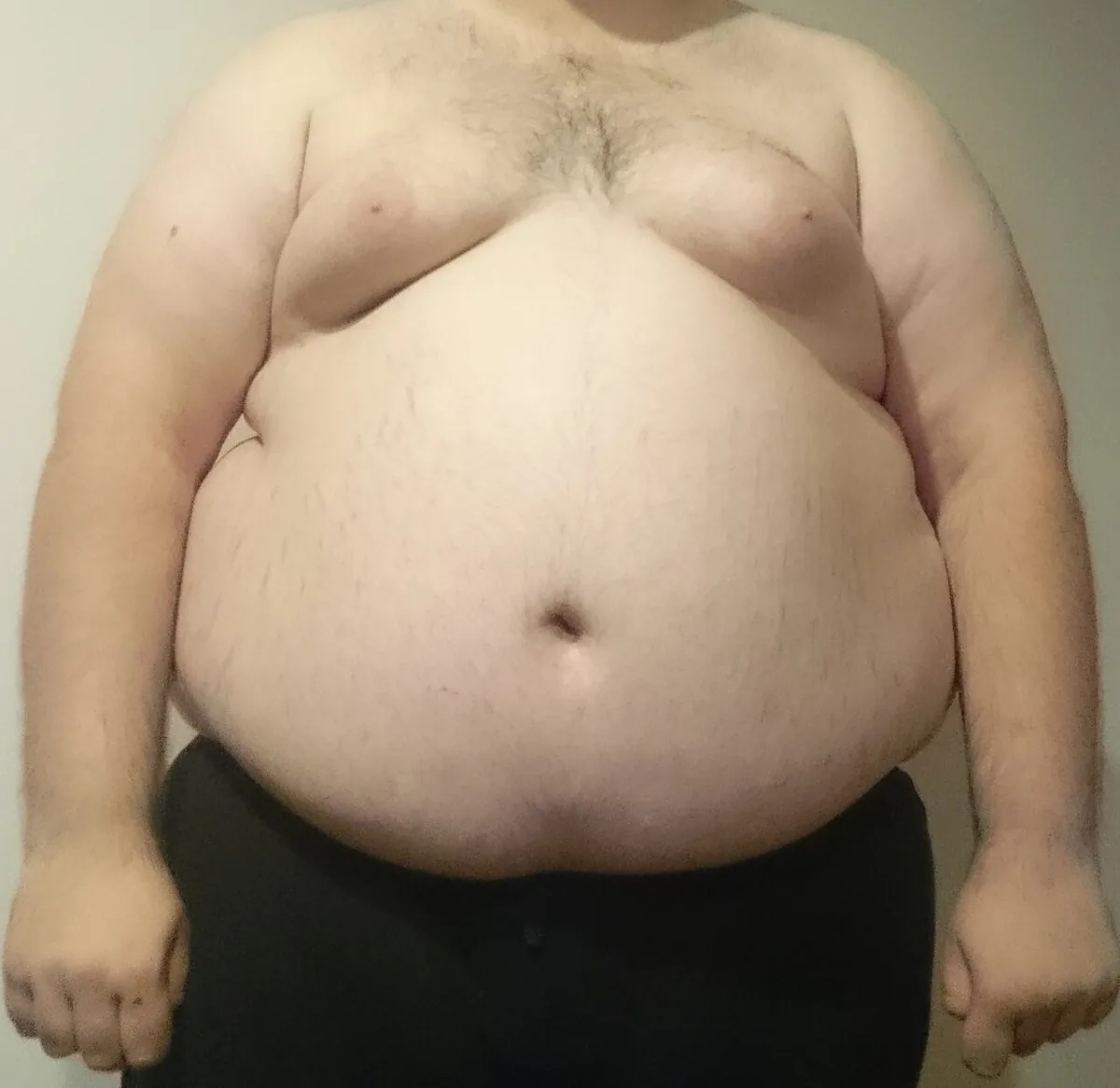
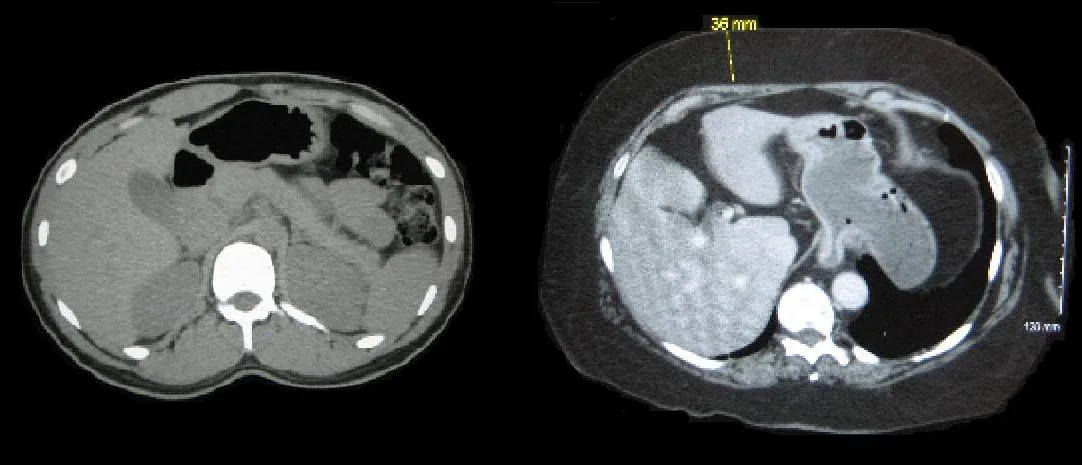 CT
CTDefinition
Obesity is a chronic, multifactorial, relapsing disease with excessive accumulation of body fat. It is usually defined by a body mass index (BMI, body weight in kg divided by the square of height in m) of ≥ 30 kg/m².
Newer concepts complement BMI with measures of fat distribution and organ function: in preclinical obesity there is excess body fat with increased health risk but no functional impairment; in clinical obesity there are organ dysfunctions or limitations of daily activities caused by excess adiposity.
Classification
BMI classes in adults
- Overweight: 25–29.9 kg/m²
- Class I obesity: 30–34.9 kg/m²
- Class II obesity: 35–39.9 kg/m²
- Class III obesity: ≥ 40 kg/m²
BMI does not distinguish between fat and muscle mass: it overestimates obesity in muscular people and underestimates it in sarcopenia. Lower cut-offs are used for people of Asian descent. A body fat percentage of > 25 % in men and > 32 % in women is given as corresponding to obesity.
Occurrence & epidemiology
Obesity is common worldwide and has increased markedly in recent decades in adults as well as in children and adolescents. In the United States, its prevalence has nearly tripled since the late 1970s and is about 40 % in adults.
Aetiopathogenesis
Causes and regulation
Ultimately, obesity results from a long-standing imbalance between energy intake and energy expenditure, which is influenced by numerous factors.
- Genetics: the heritability of BMI is 40–60 %. Usually many loci act together; variants in the leptin-melanocortin pathway (e.g. melanocortin-4 receptor) are particularly important.
- Hormonal control: gut hormones such as glucagon-like peptide 1, cholecystokinin and peptide YY reduce food intake, whereas ghrelin from the stomach increases it. Leptin from adipose tissue informs the hypothalamus about the size of fat stores. The limbic system mediates reward-driven eating via dopamine.
- Environment and behavior: energy-dense, highly processed foods, sugary drinks and alcohol, physical inactivity, lack of sleep, changes in the gut microbiome and endocrine-disrupting chemicals; adverse childhood experiences increase the risk.
- Drugs: weight gain e.g. glucocorticoid-induced or caused by certain antidepressants, antiepileptic drugs and atypical antipsychotics.
- Rare disease-related causes: hypothalamic damage (e.g. craniopharyngioma), autonomous insulin secretion by pancreatic tumors (insulinoma), Cushing's syndrome with predominantly abdominal obesity; hypothyroidism rarely causes substantial weight gain.
- Eating disorders: binge eating disorder (lifetime prevalence worldwide about 1.5 % in women and 0.3 % in men) and night eating syndrome.
Pathophysiology of complications
Adipose tissue is an active endocrine organ. Adipokines and free fatty acids promote systemic inflammation and insulin resistance. Visceral adipocytes release leptin and angiotensin and activate the renin-angiotensin-aldosterone system; the compensatory increase in insulin secretion stimulates the sympathetic nervous system. Both contribute to hypertension. Chronic inflammation also promotes a prothrombotic state.
Clinical features
Complications and comorbidities
- Cardiovascular: hypertension, coronary artery disease, stroke, venous thromboembolism
- Lungs: obstructive sleep apnea due to fat deposition in the tongue and pharynx, obesity-related chronic hypercapnia (Pickwickian syndrome)
- Metabolism and hormones: type 2 diabetes, metabolic syndrome, dyslipidemia, infertility, polycystic ovary syndrome, low testosterone in men
- Digestive organs: gastresophageal reflux, gallstones, MASLD up to cirrhosis
- Musculoskeletal system: osteoarthritis due to mechanical load and inflammatory adipokines
- Other: certain cancers, depression and psychosocial consequences of stigma and discrimination
Diagnosis
- Anthropometry: weight, height and BMI; waist circumference, waist-to-hip or waist-to-height ratio to capture visceral fat distribution. With a BMI > 40 kg/m², excess body fat can be assumed without further measurement.
- Body composition when it is unclear whether a high BMI is due to fat or muscle: skinfold thickness, bioelectrical impedance analysis; CT, MRI and dual-energy x-ray absorptiometry (DXA) mainly in research.
- Comorbidities: blood pressure, fasting glucose or HbA1c, lipid profile, liver enzymes; assessment for obstructive sleep apnea (e.g. STOP-BANG questionnaire, apnea-hypopnea index) and depression.
- History: weight course, eating behavior (binge eating, night eating), sleep, drugs and clues to endocrine causes.
Keep learning in the app
Further reading (open access)
Cross-references
More topics: Endocrinology & diabetes
Note: Learning content for medical education – not a treatment recommendation and no substitute for diagnosis or treatment decisions in individual cases. Treatment and management are deliberately not covered on this page.