Paraneoplastic syndromes
Board exam relevance: in 6 of 105 exam reports · rank 59- Synonyms
- paraneoplasia, paraneoplastic syndrome, Lambert-Eaton syndrome, ectopic hormone production
- Specialty
- Internal medicine · Haematology & oncology
- Images
- Clinical 1 · Scintigraphy 1 · Histology 1
- Last updated
- 10/2026 · Dr. Pascal Bafteh
Contents
Images (3)
 Scintigraphy
 Histology
Definition
Paraneoplastic syndromes are manifestations that occur at sites distant from a tumor or its metastases. They do not result from local tumor growth but from substances produced by the tumor (hormones, cytokines) or from antibodies against tumor antigens that cross-react with healthy tissue. Any organ system may be affected. Paraneoplastic syndromes may precede the diagnosis of cancer.
Occurrence & epidemiology
Up to 20 % of patients with cancer develop a paraneoplastic syndrome, which often goes unrecognized. Lung cancer is the most common underlying tumor, especially small cell lung cancer; other typical tumors are kidney, liver, breast, ovarian, stomach, and pancreatic cancer, neuroendocrine tumors, leukemias, and lymphomas.
Aetiopathogenesis
- Ectopic hormone production: ACTH (Cushing syndrome, mainly in small cell lung cancer), vasopressin (hyponatremia), parathyroid hormone-related peptide PTHrP (hypercalcemia, e.g., in squamous cell lung cancer, head and neck, and bladder cancer), erythropoietin (erythrocytosis in kidney and hepatocellular carcinoma), IGF-like growth factors (hypoglycemia), calcitonin.
- Autoimmune mechanisms: antibodies against tumor antigens react with nerve tissue or other cells, e.g., anti-Hu, anti-Yo, anti-Ri; in Lambert-Eaton syndrome, IgG antibodies impair presynaptic acetylcholine release.
- Cytokines and mediators of tumor cell death (e.g., tumor necrosis factor-alpha) cause general symptoms.
Clinical features
- General: fever, night sweats, anorexia, cachexia.
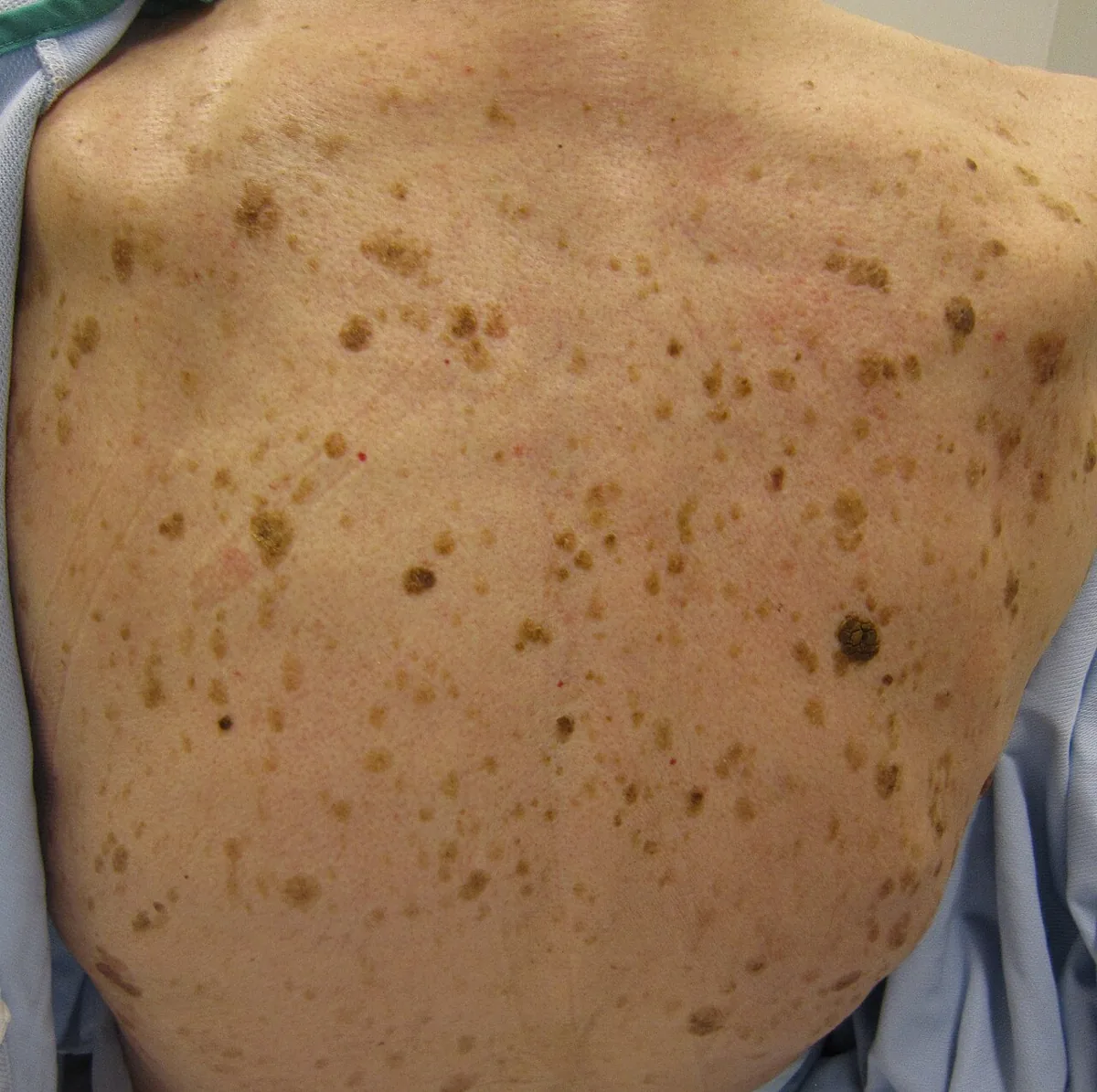
- Skin: pruritus (most common skin symptom, e.g., in leukemias, Hodgkin lymphoma, myeloproliferative neoplasms), flushing, acanthosis nigricans (gastrointestinal tumors), Leser-Trélat sign (sudden appearance of numerous seborrheic keratoses), dermatomyositis.
- Endocrine: Cushing syndrome, hyponatremia, hypercalcemia (polyuria, dehydration, constipation, muscle weakness), hypoglycemia.
- Hematologic: erythrocytosis, thrombocytosis, eosinophilia, leukemoid reaction, pure red cell aplasia, disseminated intravascular coagulation, immune thrombocytopenia and Coombs-positive hemolytic anemia in lymphoid neoplasms.
- Neurologic: distal sensorimotor polyneuropathy (most common neurologic form), subacute sensory neuropathy, Lambert-Eaton syndrome (proximal muscle weakness, dry mouth, ptosis, reduced reflexes), subacute cerebellar degeneration, opsoclonus-myoclonus, limbic encephalitis.
- Kidney: membranous glomerulonephritis.
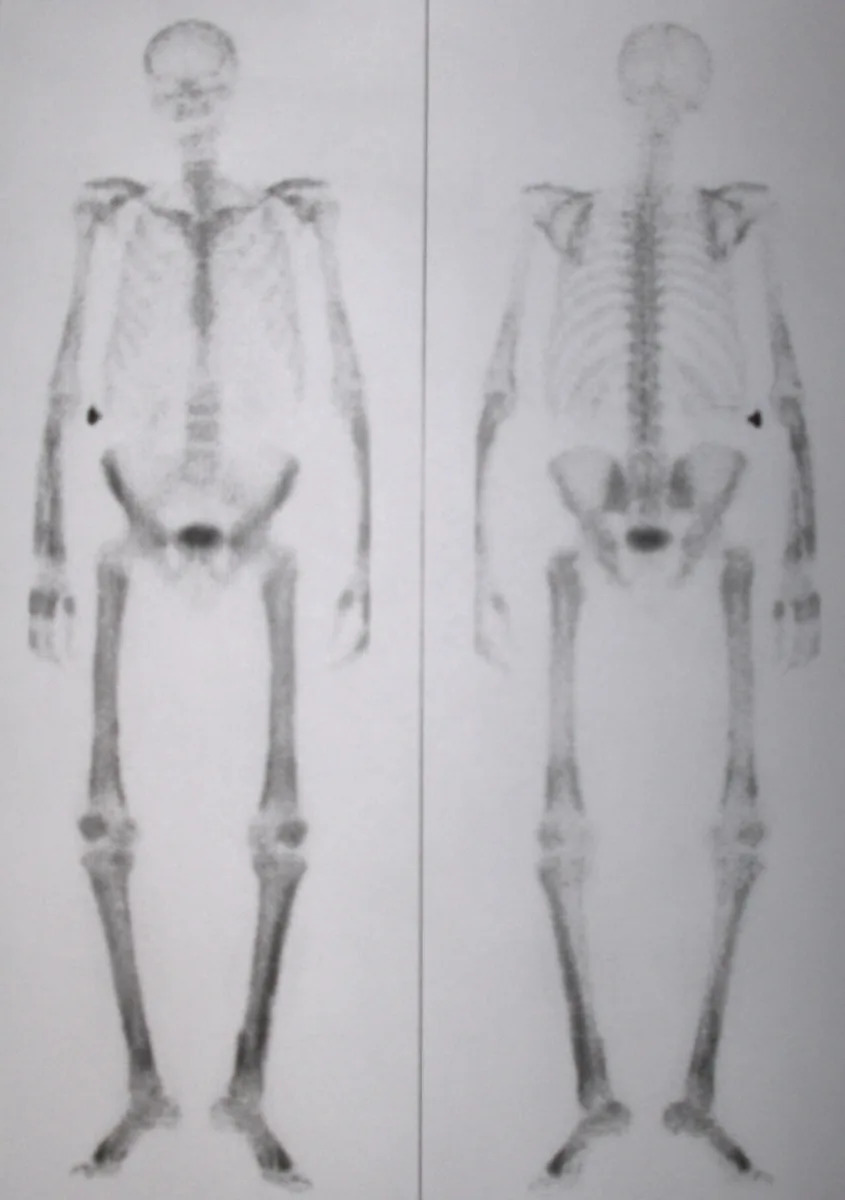
- Rheumatologic: polyarthritis, hypertrophic osteoarthropathy with painful joint swelling and digital clubbing, dermatomyositis and polymyositis (more frequent in people over 50).
Diagnosis
- Tumor search in a typical syndrome without a known tumor, focused on the commonly underlying tumors (especially lung carcinoma).
- Laboratory tests: electrolytes (sodium, calcium, potassium), glucose, cortisol and ACTH, blood count, coagulation, PTHrP depending on the syndrome.
- Onconeural antibodies in serum or cerebrospinal fluid, e.g., anti-Hu (sensory neuropathy, limbic encephalitis, lung carcinoma), anti-Yo (cerebellar degeneration, especially in women with breast or ovarian cancer), anti-Ri (opsoclonus).
- Lambert-Eaton syndrome: increase in the amplitude of the compound muscle action potential of more than 200 % with repetitive nerve stimulation at more than 10 Hz.
- Cerebrospinal fluid: occasionally mild lymphocytic pleocytosis.
- MRI: cerebellar atrophy in cerebellar degeneration; contrast enhancement and edema in limbic encephalitis; exclusion of epidural metastasis in myelopathy.
Keep learning in the app
Further reading (open access)
Cross-references
More topics: Haematology & oncology
Note: Learning content for medical education – not a treatment recommendation and no substitute for diagnosis or treatment decisions in individual cases. Treatment and management are deliberately not covered on this page.