Systemic lupus erythematosus (SLE)
Board exam relevance: in 8 of 105 exam reports · rank 39- Synonyms
- lupus, lupus erythematosus, butterfly rash, connective tissue disease, lupus nephritis
- Specialty
- Internal medicine · Rheumatology & immunology
- Images
- Clinical 2 · Histology 1 · Blood smear & cytology 1
- Last updated
- 10/2026 · Dr. Pascal Bafteh
Contents
Images (4)
 Histology
 Blood smear & cytology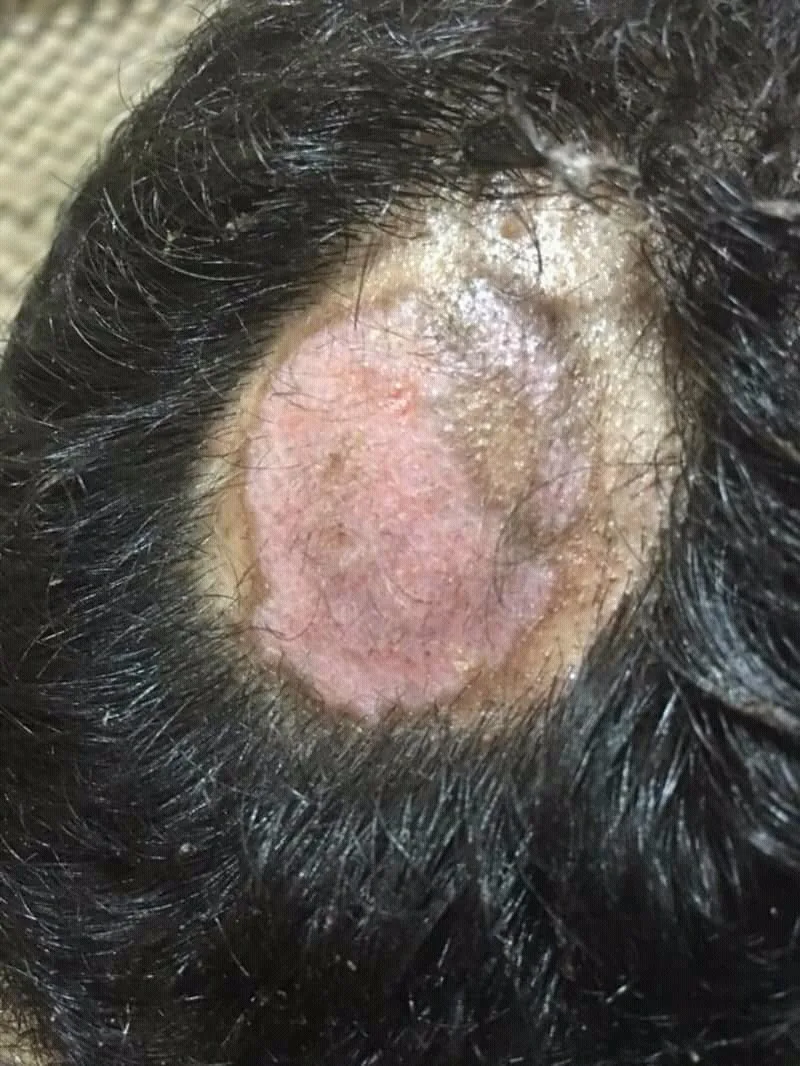
Definition
Systemic lupus erythematosus (SLE) is a chronic inflammatory multisystem disorder of autoimmune etiology that occurs predominantly in young women. Typical features are arthralgias and arthritis, Raynaud syndrome, malar and other rashes, pleuritis or pericarditis, renal and CNS involvement, and autoimmune cytopenias. The course is relapsing (flares).
Classification
2019 EULAR/ACR classification criteria: the entry criterion is antinuclear antibodies (ANA) ≥ 1:80. The criteria are weighted (2–10 points); within each domain only the highest criterion counts. SLE is classified at 10 points or more with at least one clinical criterion.
- Constitutional: fever > 38.3 °C (2)
- Hematologic: leukopenia < 4,000/µL (3), thrombocytopenia < 100,000/µL (4), autoimmune hemolysis (4)
- Neuropsychiatric: delirium (2), psychosis (3), seizure (5)
- Mucocutaneous: nonscarring alopecia (2), oral ulcers (2), subacute cutaneous or discoid lupus (4), acute cutaneous lupus (6)
- Serosal: pleural or pericardial effusion (5), acute pericarditis (6)
- Musculoskeletal: joint involvement (6)
- Renal: proteinuria > 0.5 g/24 h (4), lupus nephritis class II or V (8), class III or IV (10)
- Antiphospholipid antibodies (2); complement: low C3 or low C4 (3), low C3 and low C4 (4); SLE-specific antibodies: anti-dsDNA or anti-Sm (6)
Occurrence & epidemiology
Women are affected about ten times more often than men, usually during childbearing age. SLE is more common and more severe in Black and Asian patients. It can occur at any age, including in neonates.
Aetiopathogenesis
Currently unknown environmental triggers cause autoimmune reactions in genetically predisposed people. Certain drugs can cause a reversible lupus-like syndrome (drug-induced lupus). Antiphospholipid antibodies are associated with arterial and venous thrombosis, thrombocytopenia, and pregnancy complications.
Clinical features
- Joints: arthralgias to polyarthritis in about 90 %, usually nonerosive; in long-standing disease reducible deformities without erosions (Jaccoud arthropathy).
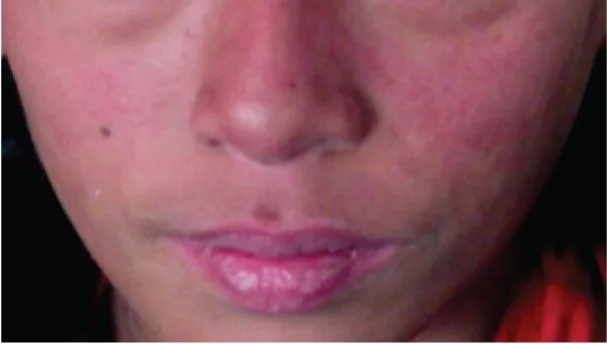
- Skin and mucosa: malar rash sparing the nasolabial folds, photosensitivity, discoid lesions, alopecia, mucosal ulcers (especially on the hard palate), lupus tumidus, chilblain lupus, vasculitic lesions, and Raynaud syndrome.
- Heart and lungs: recurrent pleurisy, pericarditis (most common cardiac manifestation), myocarditis, Libman-Sacks endocarditis, pulmonary hypertension, shrinking lung syndrome, alveolar hemorrhage; accelerated atherosclerosis.
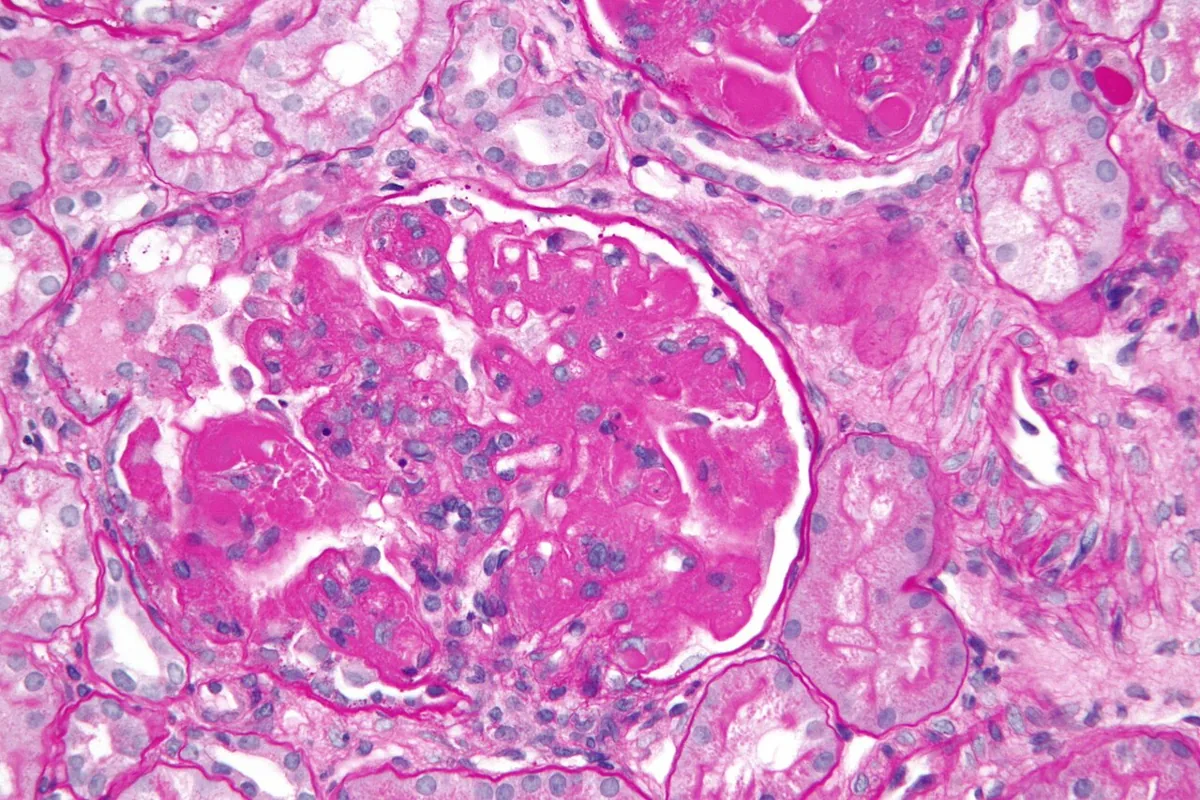
- Kidney: lupus nephritis from focal to diffuse glomerulonephritis; proteinuria, red blood cell casts, hypertension, edema.
- Nervous system: cognitive impairment, headache, seizures, psychosis, stroke, aseptic meningitis, neuropathies, transverse myelitis.
- Blood: anemia (chronic disease or autoimmune hemolytic), leukopenia, thrombocytopenia; lymphadenopathy, splenomegaly.
- Pregnancy: early and late fetal loss; maternal anti-Ro antibodies can cause congenital heart block in the child.
Diagnosis
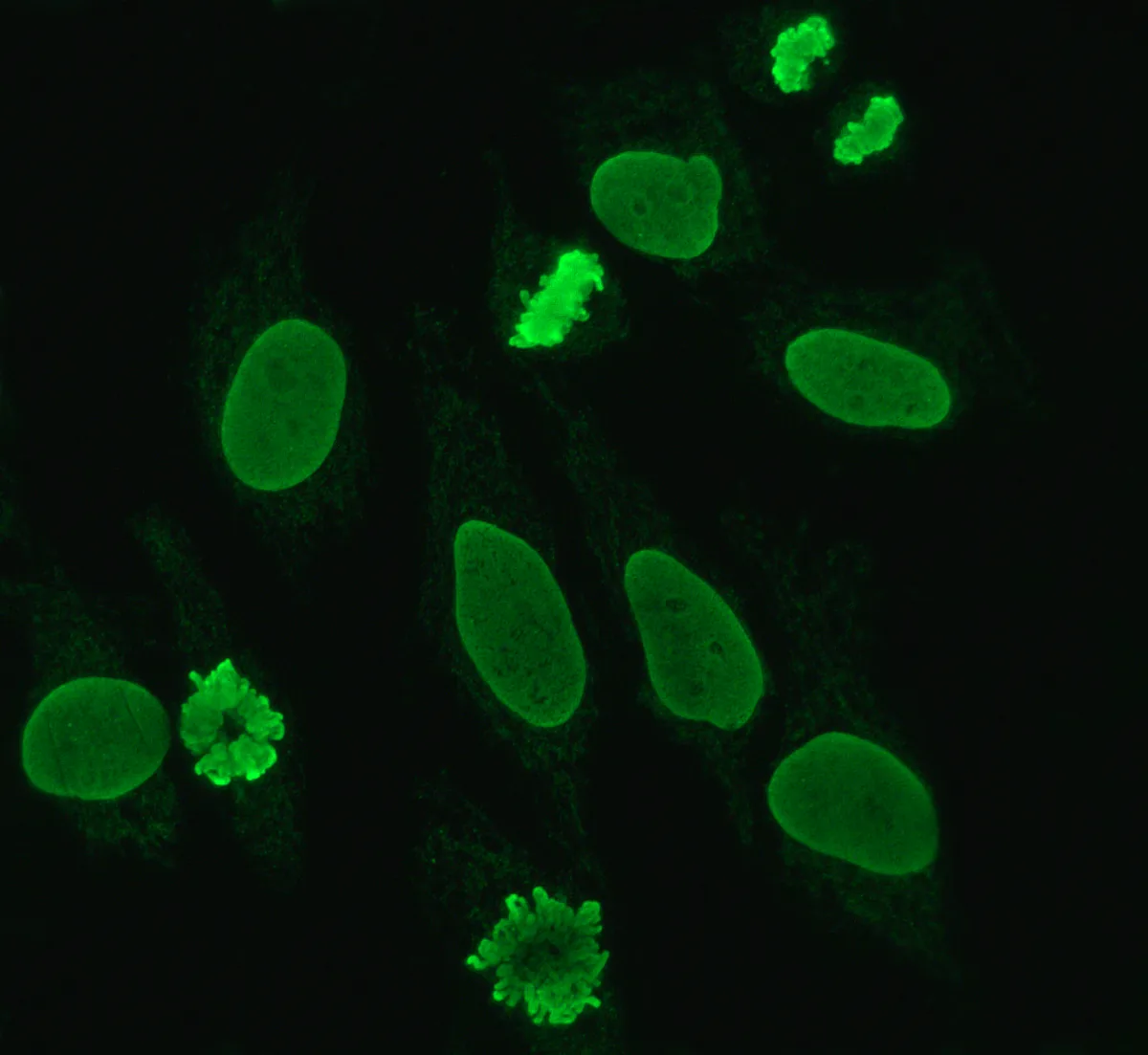
- ANA (preferably immunofluorescence): positive in more than 95 %, usually high titer, but nonspecific; false-positive in about 3 % of healthy controls (titer 1:320) up to about 30 % (titer 1:40).
- Specific antibodies: anti-dsDNA and anti-Sm highly specific but not sensitive; anti-Ro/SSA, anti-La/SSB, anti-U1 RNP.
- Complement C3 and C4 often low in active disease, especially nephritis; ESR elevated, CRP often normal.
- Blood count: leukopenia (lymphopenia, neutropenia), anemia, thrombocytopenia.
- Antiphospholipid antibodies: anticardiolipin, anti-beta2 glycoprotein I, lupus anticoagulant; false-positive syphilis serology in 5–10 %.
- Urinalysis with sediment (red or white blood cell casts), protein/creatinine ratio; renal biopsy to classify lupus nephritis.
Keep learning in the app
Further reading (open access)
Cross-references
More topics: Rheumatology & immunology
Note: Learning content for medical education – not a treatment recommendation and no substitute for diagnosis or treatment decisions in individual cases. Treatment and management are deliberately not covered on this page.