Heart failure
Board exam relevance: in 22 of 105 exam reports · rank 4- Synonyms
- heart weakness, cardiac failure, congestive heart failure, CHF, HFrEF, HFpEF, HFmrEF, left heart failure, right heart failure
- Specialty
- Internal medicine · Cardiology
- Images
- X-ray 2 · Clinical 2
- Last updated
- 10/2026 · Dr. Pascal Bafteh
Contents
Images (4)
 X-ray
X-ray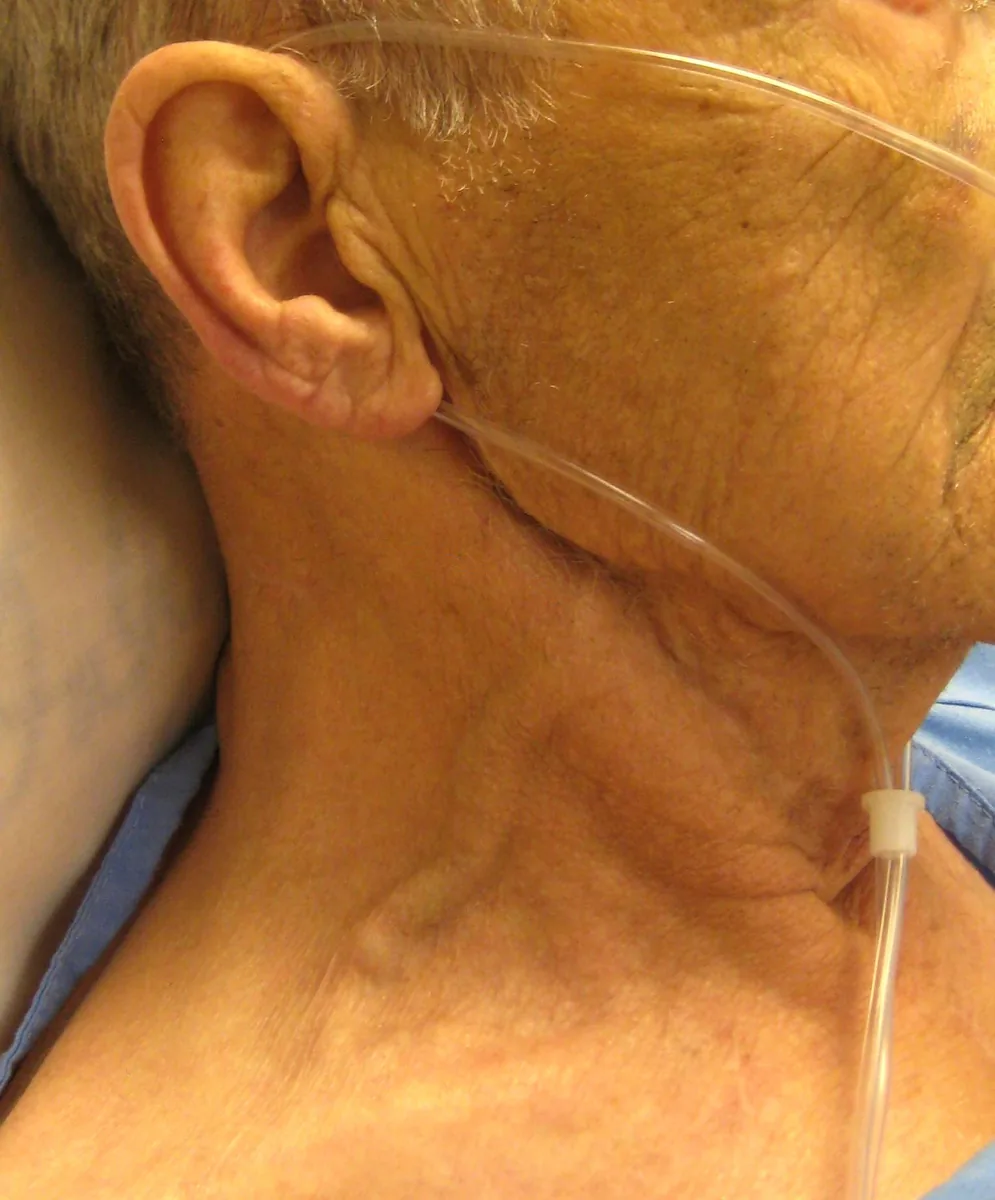
 X-ray
X-rayDefinition
Heart failure is a clinical syndrome in which the heart cannot supply the tissues with adequate blood flow, or can do so only at elevated filling pressures. It may involve systolic and/or diastolic function and the left and/or right heart; left ventricular failure mainly causes dyspnea and fatigue, right ventricular failure peripheral and abdominal fluid accumulation.
Classification
Types and severity
- By left ventricular ejection fraction (LVEF): HFrEF with reduced EF (≤ 40 %), HFmrEF with mildly reduced EF (41–49 %), HFpEF with preserved EF (≥ 50 %), and HFimpEF when a previously reduced EF has improved by more than 10 percentage points to over 40 %.
- HFpEF also requires, besides symptoms, elevated natriuretic peptides (BNP above 35 pg/ml and/or NT-proBNP above 125 pg/ml) and structural or functional abnormalities of the left ventricle on echocardiography.
- By location: left, right and biventricular heart failure; by course: chronic and acute (new-onset or acutely decompensated) heart failure.
NYHA classification (by symptoms):
- NYHA I: heart disease without limitation of physical activity; ordinary activity does not cause undue fatigue, dyspnea, palpitations or angina
- NYHA II: slight limitation; no symptoms at rest or with mild exertion, symptoms with greater exertion such as walking uphill or climbing stairs
- NYHA III: marked limitation; no symptoms at rest, but symptoms with mild exertion such as walking on level ground
- NYHA IV: symptoms with any physical activity and at rest
The ACC/AHA stages describe progression: A increased risk without structural heart disease, B structural heart disease without previous symptoms, C structural heart disease with symptoms, D refractory heart failure.
Occurrence & epidemiology
In Germany, a large analysis of claims data (2010) found an annual prevalence of chronic heart failure in adults of 4.7 %. It rises steeply with age: about 6.9 % in people aged 65 to 69 and 24.3 % in those aged 80 to 84. Worldwide more than 64 million people are affected.
HFrEF is more common in men, whereas the sex ratio in HFpEF is balanced. In population-based cohorts HFpEF accounts for about half of all cases.
Aetiopathogenesis
Coronary artery disease, arterial hypertension and their combination are by far the most common causes in Western countries, together accounting for about 70–90 % of cases. Less common causes:
- non-ischemic cardiomyopathies: dilated (e.g. infectious, toxic due to alcohol or cocaine, pregnancy-related, autoimmune), hypertrophic, restrictive (e.g. amyloidosis, sarcoidosis, hemochromatosis)
- valvular and congenital heart disease, arrhythmias (atrial fibrillation, tachycardias, bradycardias), pericardial disease
- high-output heart failure in anemia, thyrotoxicosis or arteriovenous fistulas; about 2–3 % of cases are due to alcohol misuse
Pathophysiology: reduced cardiac performance activates the sympathetic nervous system and the renin-angiotensin-aldosterone system; sodium and water are retained. These mechanisms initially support the circulation but increase cardiac work, preload and afterload and promote structural remodeling of the heart. The natriuretic peptides ANP and BNP are released in response to atrial and ventricular stretch and act as counter-regulators.
Clinical features
Symptoms and signs
- Dyspnea: exertional dyspnea of varying degree, dyspnea at rest, orthopnea, paroxysmal nocturnal dyspnea, bendopnea, wheezing (cardiac asthma), dry nocturnal cough
- Reduced exercise capacity: undue fatigue, general weakness, tiredness; in older people also confusion, memory problems and falls
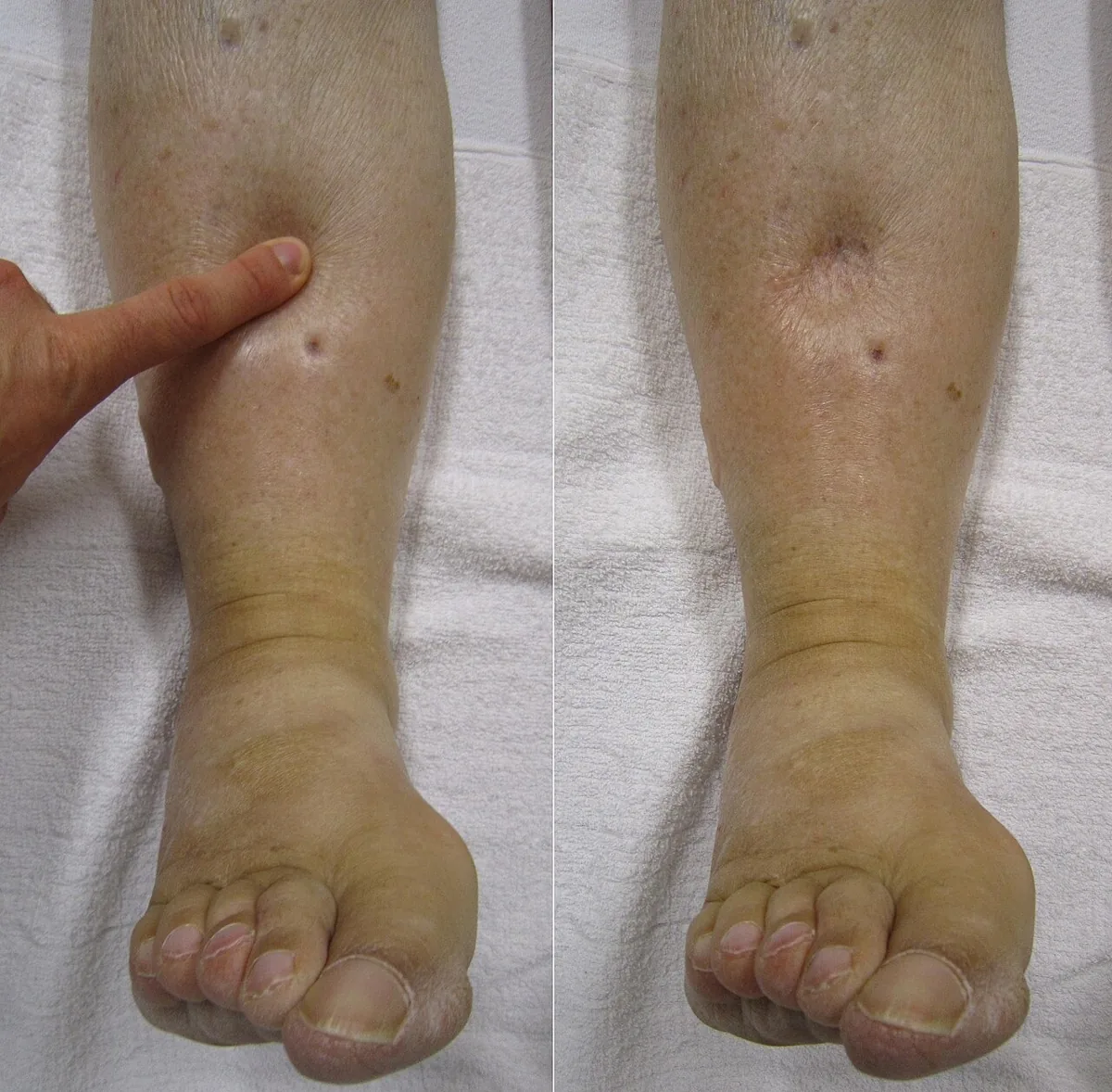
- Fluid retention: peripheral edema (ankles, lower legs, sacrum) up to anasarca, pleural effusion, ascites, rapid weight gain, nocturia
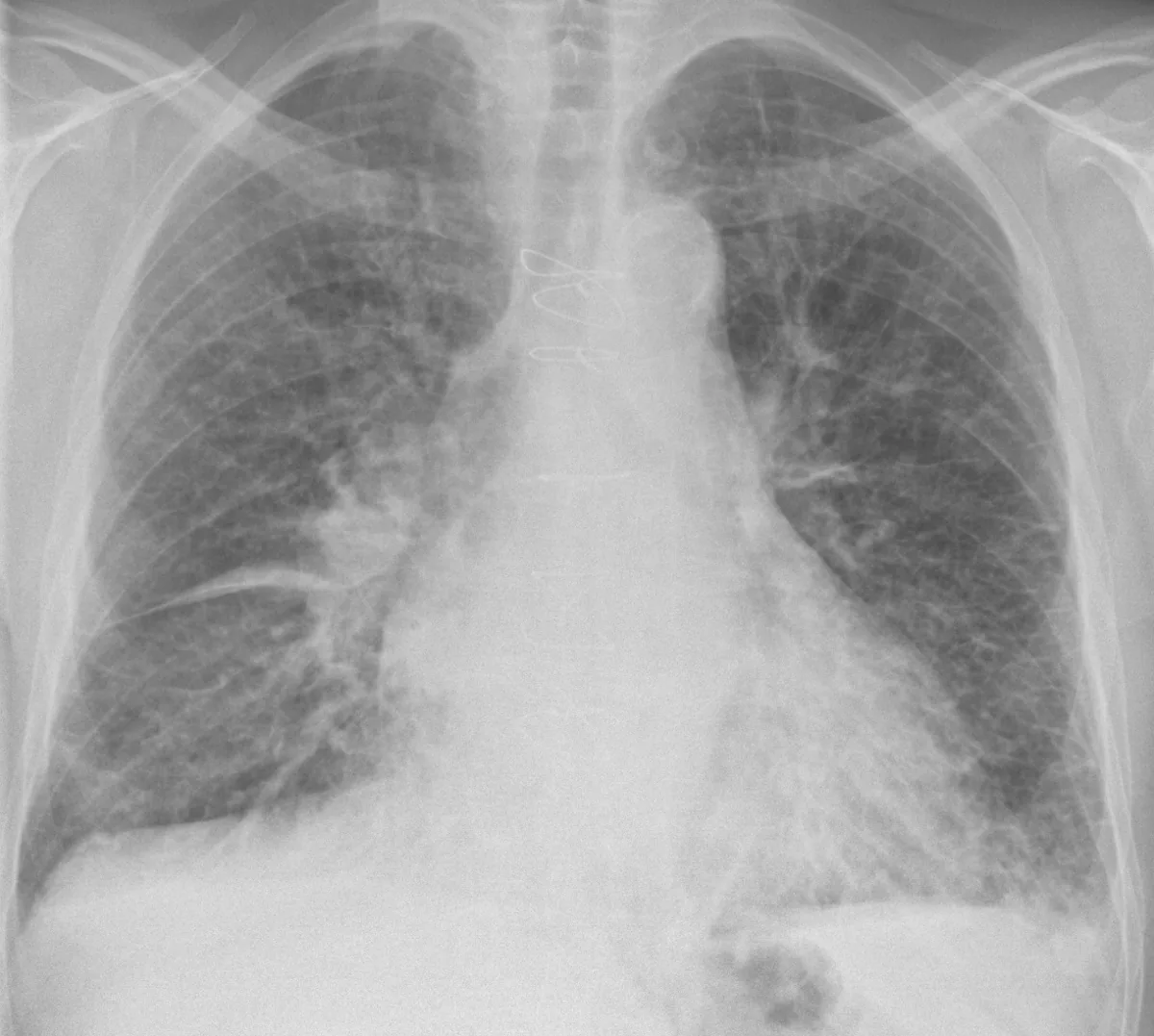
- Clinical signs: raised jugular venous pressure or positive hepatojugular reflux, displaced apical impulse, third heart sound, tachycardia, pulmonary crackles, hepatomegaly, cool extremities
Diagnosis
Basic work-up and laboratory tests
- Symptoms and clinical signs alone are not specific enough; dyspnea is sensitive but has low specificity. Only the combination with laboratory tests and imaging confirms the diagnosis.
- Natriuretic peptides: low values make heart failure unlikely (ESC rule-out thresholds: BNP below 35 pg/ml, NT-proBNP below 125 pg/ml). Levels rise with age and are elevated, among others, in atrial fibrillation, chronic kidney disease and right heart strain; their value is limited in obesity.
- Further laboratory tests: blood count, sodium, potassium, eGFR, blood glucose and HbA1c, liver enzymes, urinalysis, CRP, TSH, lipid profile; ferritin and transferrin saturation (iron deficiency), troponin if infarction or myocarditis is suspected
- 12-lead ECG: clues to cause and comorbidities, e.g. infarct scar, hypertrophy, bundle branch block, atrial fibrillation
Imaging
- Transthoracic echocardiography: reference method for confirmation; distinguishes the types of left ventricular dysfunction, determines severity and shows causes such as valve disease
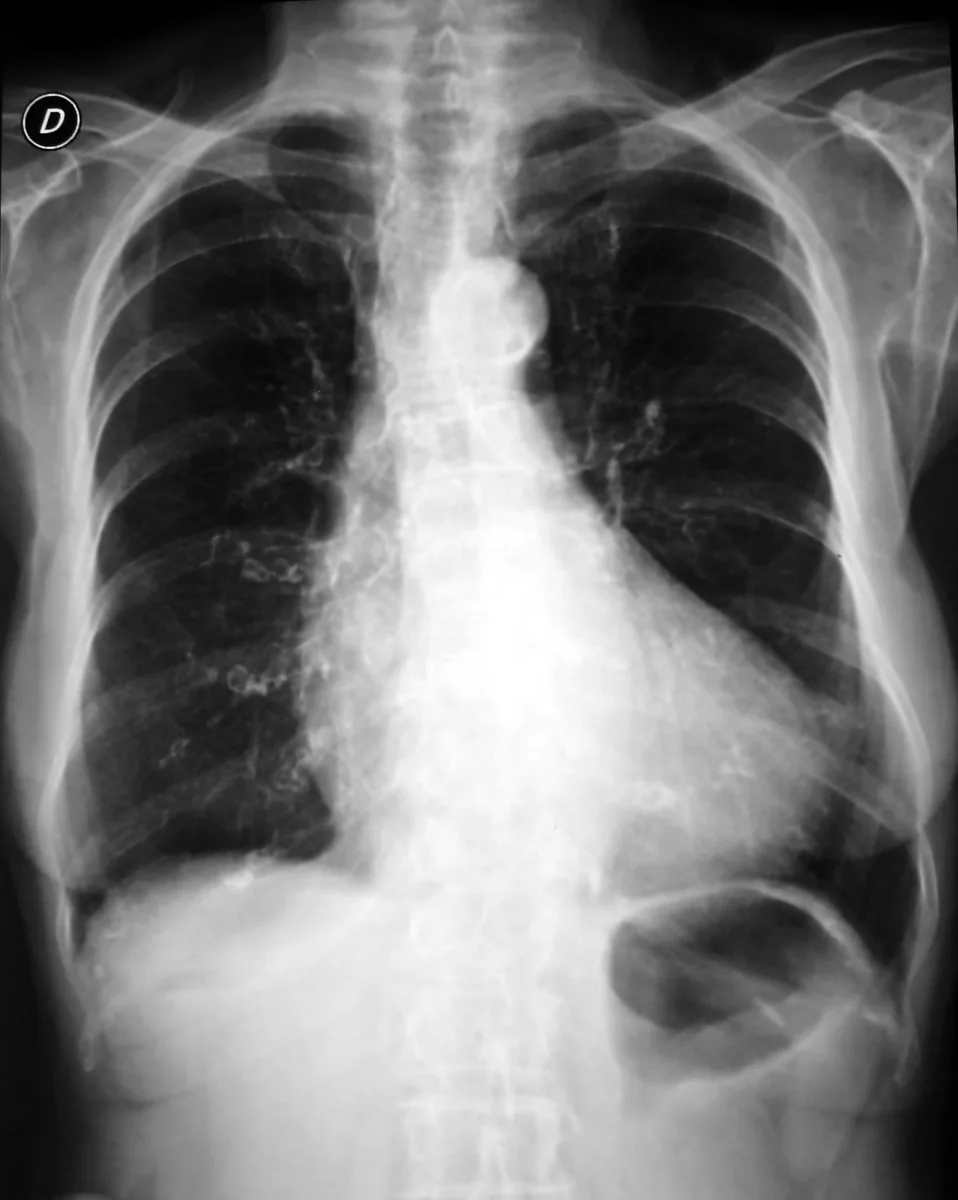
- Chest X-ray: enlarged cardiac silhouette, pleural effusion, fluid in the major fissure, Kerley B lines and upper lobe diversion as signs of congestion
- Cardiac MRI: clarifies the etiology, e.g. myocarditis, storage and infiltrative diseases; cardiac CT: exclusion of obstructive coronary artery disease
Keep learning in the app
Further reading (open access)
- Nationale VersorgungsLeitlinie: Chronische Herzinsuffizienz
- MSD Manual Professional: Overview of Heart Failure
- MSD Manual Professional: Chronic Heart Failure
- MSD Manual Professional: Acute Heart Failure
- StatPearls: Heart Failure (Congestive Heart Failure)
- Nationale VersorgungsLeitlinie Chronische Herzinsuffizienz, Langfassung Version 4.0 (archivierte Kapitel zu Definition, Epidemiologie und Diagnostik)
Cross-references
More topics: Cardiology
- Acute coronary syndrome (heart attack, STEMI/NSTEMI)
- Atrial fibrillation
- Arterial hypertension (high blood pressure)
- Atrioventricular block
- Secondary hypertension
- Hypercholesterolemia and familial hypercholesterolemia
- Infective endocarditis
- Long QT syndrome and torsades de pointes
- Myocarditis
- Bundle branch block (left and right)
- Ventricular tachycardia
- Dilated cardiomyopathy
Note: Learning content for medical education – not a treatment recommendation and no substitute for diagnosis or treatment decisions in individual cases. Treatment and management are deliberately not covered on this page.