Hypercholesterolemia and familial hypercholesterolemia
Board exam relevance: in 8 of 105 exam reports · rank 39- Synonyms
- high cholesterol, raised cholesterol, hyperlipidaemia, FH, familial hypercholesterolemia, lipid disorder
- Specialty
- Internal medicine · Cardiology
- Images
- Clinical 2
- Last updated
- 10/2026 · Dr. Pascal Bafteh
Contents
Images (2)
Definition
Hypercholesterolemia is a form of dyslipidemia with raised plasma cholesterol, particularly LDL cholesterol, that contributes to the development of atherosclerosis. Familial hypercholesterolemia (FH) is an inherited disorder of LDL clearance, usually due to a defect of the LDL receptor.
Classification
- By lipid pattern: isolated (pure) hypercholesterolemia, isolated hypertriglyceridemia or combined (mixed) hyperlipidemia; the former Fredrickson phenotype classification has largely been replaced.
- By cause: primary (genetic) or secondary.
- Heterozygous FH: frequency about 1:200; total cholesterol about 6.5–13 mmol/l (250–500 mg/dl).
- Homozygous FH: frequency about 1:250,000 to 1:1 million; total cholesterol above 13 mmol/l (above 500 mg/dl).
- Familial defective apolipoprotein B-100: defect of the LDL receptor-binding region, dominant, about 1:700.
- Gain-of-function mutations of PCSK9: increased degradation of LDL receptors, dominant, picture similar to FH.
- Polygenic hypercholesterolemia: common, total cholesterol about 6.5–9.0 mmol/l (250–350 mg/dl).
Aetiopathogenesis
- Primary: mutations of single or multiple genes leading to overproduction or reduced clearance of LDL. In FH (codominant inheritance) LDL clearance is reduced by the receptor defect.
- Secondary: in high-income countries mainly a sedentary way of living with excessive intake of calories, saturated fat, cholesterol and trans fats; also diabetes mellitus, chronic kidney disease, primary biliary cholangitis and other cholestatic liver diseases, hypothyroidism, alcohol overuse and certain drugs.
Clinical features
- Hypercholesterolemia itself causes no symptoms; the clinically relevant consequences are those of atherosclerosis.
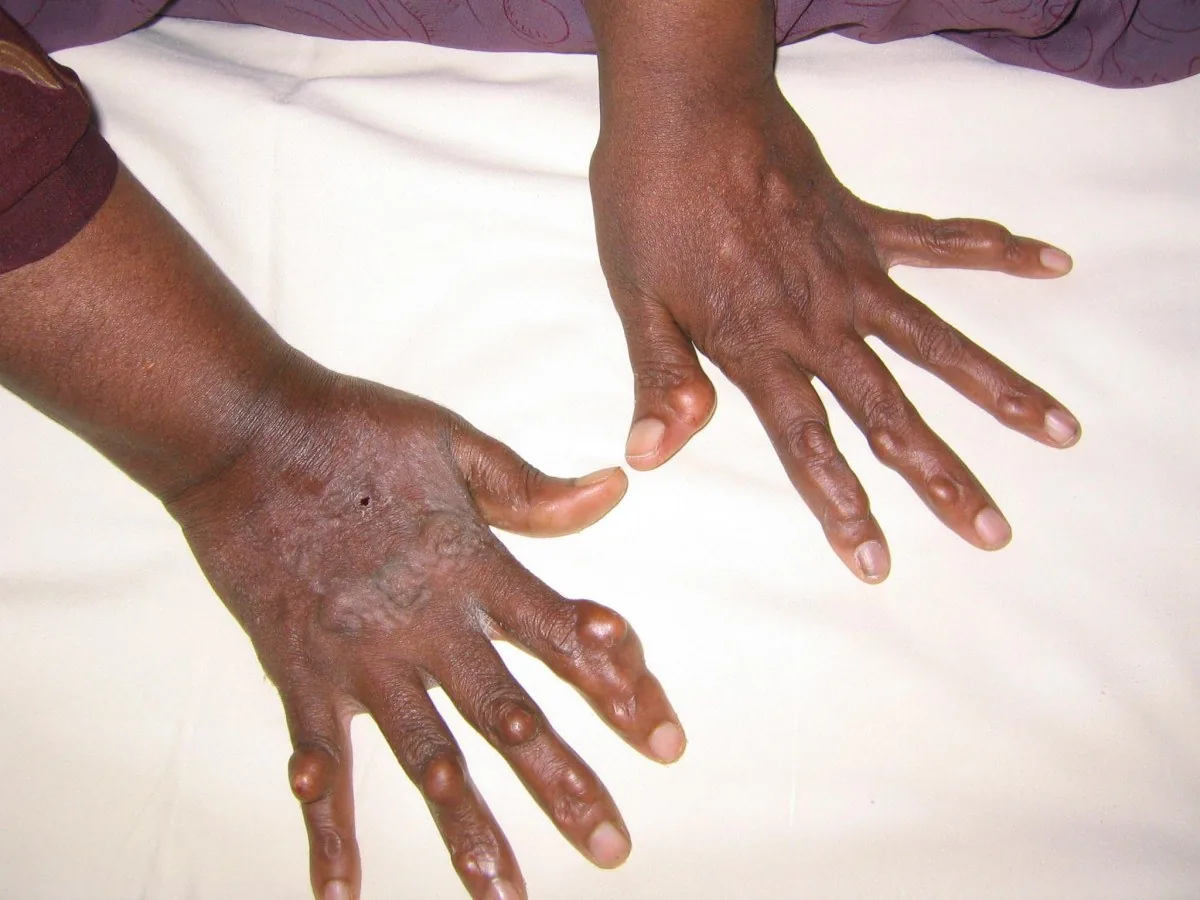
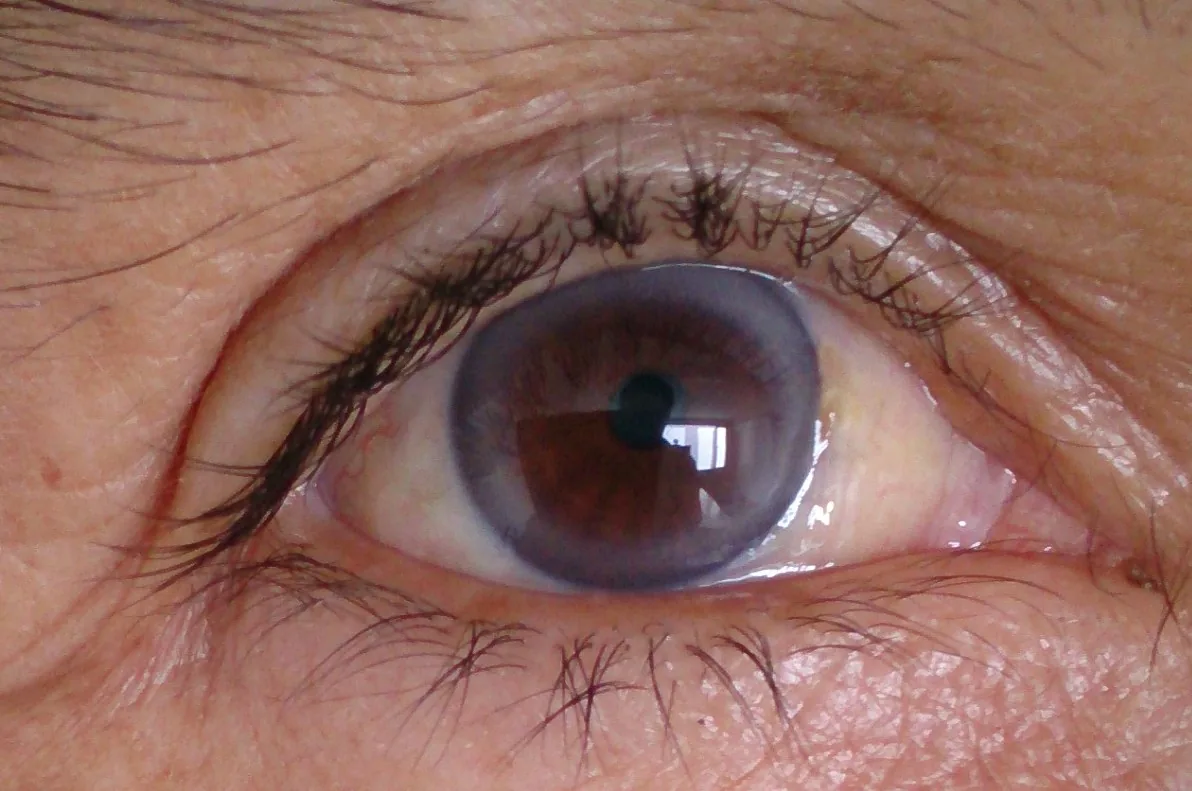
- Heterozygous FH: tendon xanthomas, arcus corneae, premature coronary artery disease (about ages 30–50); FH is responsible for about 5 % of myocardial infarctions in people under 60.
- Homozygous FH: planar, tendon and tuberous xanthomas, coronary artery disease before the age of 18.
- Skin findings with markedly raised LDL (above 4.9 mmol/l or 190 mg/dl): tendon xanthomas at the Achilles tendon, elbows, knees and over the metacarpophalangeal joints; planar xanthomas (flat yellowish patches) and tuberous xanthomas (firm, painless nodules over the extensor surfaces of joints); arcus corneae; xanthelasma at the medial eyelids (also seen with normal lipid levels).
Diagnosis
- Lipid profile: total cholesterol, triglycerides and HDL cholesterol are measured directly, LDL cholesterol is usually calculated. Total cholesterol varies by about 10 % from day to day, triglycerides by up to 25 %. Fasting measurement is needed only in specific situations, for example with triglycerides above 4.5 mmol/l (400 mg/dl).
- Confounders: in acute illness triglycerides and lipoprotein(a) rise and cholesterol falls; after an acute myocardial infarction values fluctuate for about 30 days.
- Pointers to a primary disorder: premature atherosclerotic disease (men under 55, women under 60 years), a corresponding family history or severe hyperlipidemia in the family, LDL cholesterol above 4.9 mmol/l (190 mg/dl), xanthomas.
- Secondary causes are specifically sought (e.g. diabetes, kidney, liver and thyroid disease).
Keep learning in the app
Further reading (open access)
Cross-references
More topics: Cardiology
- Acute coronary syndrome (heart attack, STEMI/NSTEMI)
- Heart failure
- Atrial fibrillation
- Arterial hypertension (high blood pressure)
- Atrioventricular block
- Secondary hypertension
- Infective endocarditis
- Long QT syndrome and torsades de pointes
- Myocarditis
- Bundle branch block (left and right)
- Ventricular tachycardia
- Dilated cardiomyopathy
Note: Learning content for medical education – not a treatment recommendation and no substitute for diagnosis or treatment decisions in individual cases. Treatment and management are deliberately not covered on this page.