Dehydration
Board exam relevance: in 4 of 105 exam reports · rank 90- Synonyms
- volume depletion, fluid deficit, hypovolaemia, water loss
- Specialty
- Internal medicine · Electrolytes & acid–base
- Images
- Clinical 2
- Last updated
- 10/2026 · Dr. Pascal Bafteh
Contents
Images (2)

Definition
Dehydration refers to a deficit of body water. Clinically, two components are distinguished that often occur together: volume depletion (loss of sodium and thus of extracellular fluid) and pure water deficit, which leads to hypernatremia. Because sodium loss always causes water loss, serum sodium in volume depletion may be high, normal or low depending on the ratio of losses and fluid intake.
Classification
- By serum sodium: isotonic, hypotonic (hyponatremic) and hypertonic (hypernatremic) dehydration.
- Mild volume depletion (loss below 5% of extracellular fluid): often only reduced skin turgor, thirst and oliguria.
- Moderate volume depletion (5 to 10%): usually orthostatic tachycardia, hypotension or both.
- Severe volume depletion (above 10%): signs of shock such as tachypnea, tachycardia, hypotension, confusion and delayed capillary refill.
Occurrence & epidemiology
Older people are at particular risk, especially after surgery, during tube feeding or parenteral nutrition and when they depend on others for drinking. A diminished sense of thirst and reduced renal concentrating capacity add to the risk. People with impaired consciousness or disorientation, diarrheal illness or taking saluretics are also at risk.
Aetiopathogenesis
- Inadequate fluid intake: impaired thirst, lack of access to water, coma or disorientation.
- Gastrointestinal losses: vomiting, diarrhea and nasogastric suction.
- Skin losses: excessive sweating, fever, burns and extensive skin exfoliation.
- Losses into a "third space": intestinal lumen in ileus, peritoneal cavity or retroperitoneum.
- Renal losses: saluretics, osmotic diuresis with glucosuria, salt-losing nephropathies and the polyuric recovery phase after acute kidney injury.
- Hormonal causes: adrenal insufficiency, hypoaldosteronism and arginine vasopressin deficiency.
- Blood loss: gastrointestinal bleeding or trauma.
Clinical features
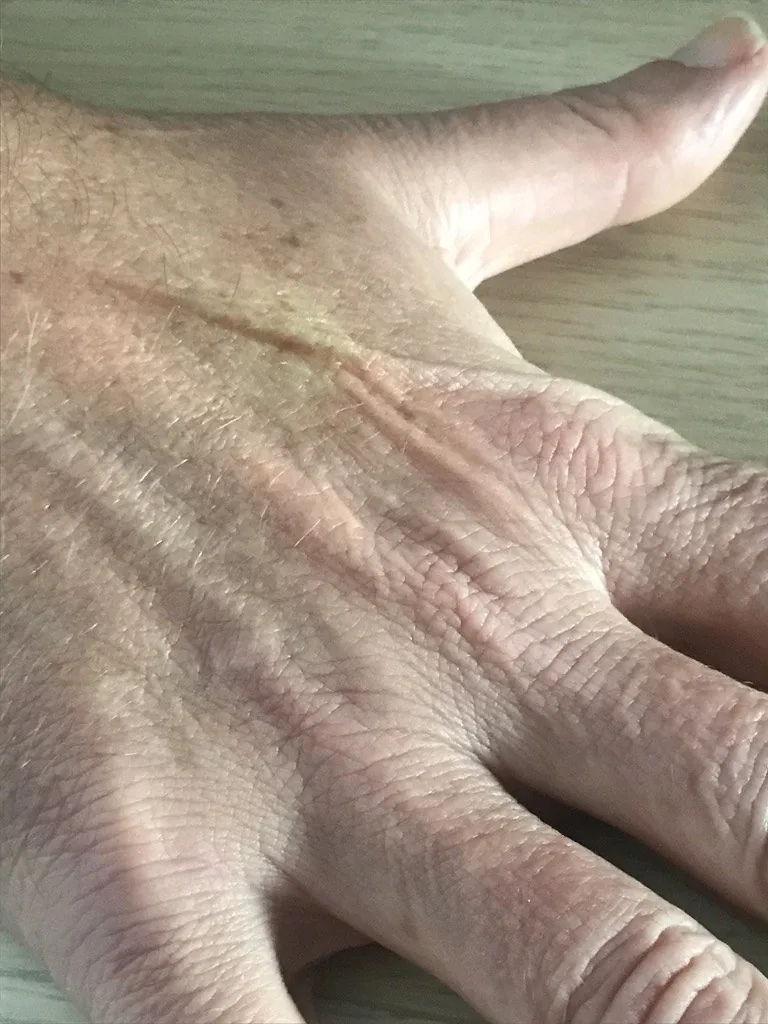
Typical features are thirst, dry mucous membranes, reduced skin turgor (best assessed on the upper trunk), oliguria and orthostatic tachycardia and hypotension. In older people skin turgor is often reduced even without volume depletion, and dry mucous membranes also occur with mouth breathing; both signs are therefore unreliable. In hypertonic dehydration, thirst and central nervous system signs due to brain cell shrinkage predominate: confusion, neuromuscular excitability, seizures and coma. Severe volume depletion leads to shock with reduced organ perfusion.
Diagnosis
- Clinical diagnosis: history (fluid intake, losses, saluretics, renal and adrenal disease) and physical examination. If body weight immediately before and after the fluid loss is known, the difference gives an accurate estimate of the loss.
- Serum values: electrolytes, urea and creatinine; the ratio of blood urea nitrogen to creatinine is often above 20:1 and the hematocrit rises.
- Urine: with functioning kidneys, urine sodium is low (below 15 mmol/L), fractional sodium excretion below 1% and urine osmolality often above 450 mOsm/kg.
- Pitfalls: in metabolic alkalosis urine sodium may be high; a urine chloride below 10 mmol/L then indicates volume depletion more reliably. Renal losses, saluretics or adrenal insufficiency cause a misleadingly high urine sodium above 20 mmol/L.
- Ultrasound: assessment of inferior vena cava collapsibility can help when volume status is unclear.
Keep learning in the app
Further reading (open access)
Cross-references
Note: Learning content for medical education – not a treatment recommendation and no substitute for diagnosis or treatment decisions in individual cases. Treatment and management are deliberately not covered on this page.