Rhabdomyolysis
- Synonyms
- muscle breakdown, crush syndrome, myoglobinuria, rhabdo
- Specialty
- Internal medicine · Electrolytes & acid–base
- Images
- Clinical 2
- Last updated
- 10/2026 · Dr. Pascal Bafteh
Contents
Images (2)
Definition
Rhabdomyolysis is a clinical syndrome involving breakdown of skeletal muscle tissue and release of myoglobin, creatine kinase (CK) and intracellular electrolytes into the blood. The main dangers are acute kidney injury due to myoglobinuria and life-threatening electrolyte disturbances.
Aetiopathogenesis
Normal muscle function requires intact electrolyte exchange, adequate ATP metabolism and an intact myocyte plasma membrane. If any of these processes is disrupted, muscle cells break down; in principle, any form of muscle damage can trigger rhabdomyolysis.
- Mechanical trauma and ischemia: crush injuries, electrical injuries, seizures and compartment syndrome.
- Drugs, illicit drugs and toxins: caused among others by statins, anxiolytics, antipsychotics, cocaine, amphetamines and alcohol.
- Infections: for example influenza A and B, coxsackievirus and Staphylococcus aureus.
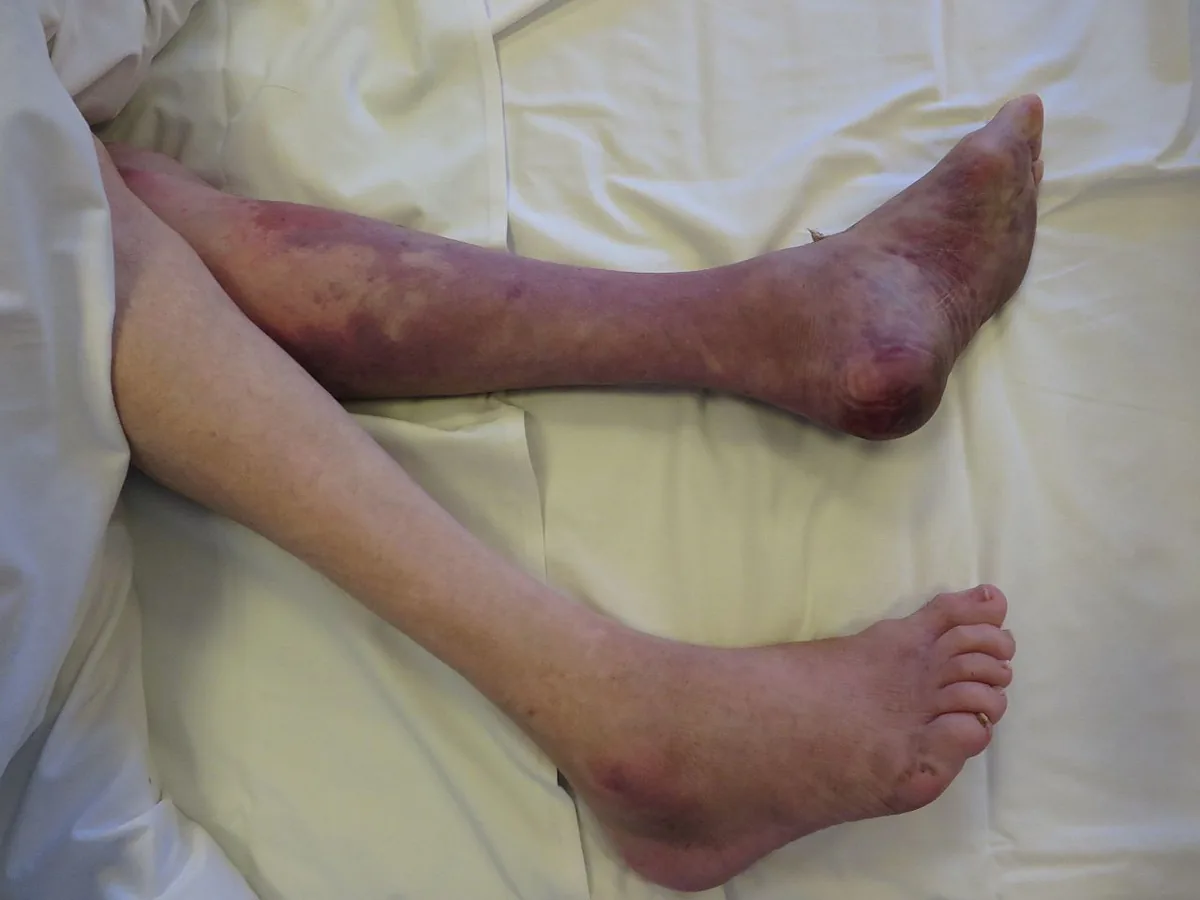
- Less common causes: electrolyte disorders (hypokalemia, hypophosphatemia), diabetic ketoacidosis and hyperosmolar hyperglycemia, genetic muscle disorders (e.g. Duchenne or Becker muscular dystrophy), extreme exertion or prolonged immobilisation and extremes of body temperature (hypothermia, heatstroke, neuroleptic malignant syndrome, malignant hyperthermia).
Clinical features
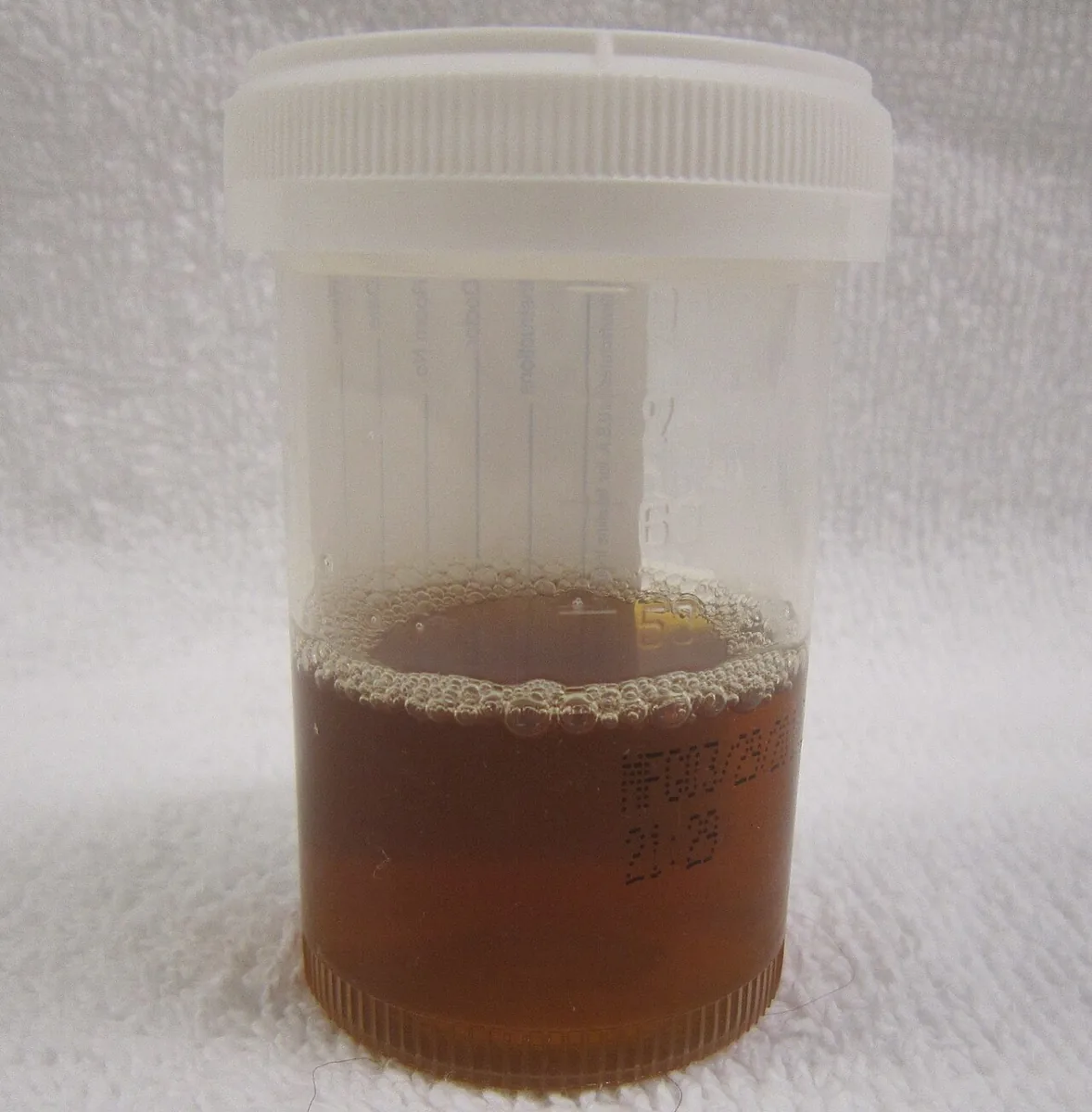
- Classic triad: muscle pain, muscle weakness and reddish-brown ("tea-colored") urine; however, it is fully present in fewer than 10% of those affected.
- Muscle symptoms: often absent; when present they affect proximal muscle groups such as the shoulders, thighs, lower back and calves or the directly damaged muscles.
- Urine discoloration: occurs at high myoglobin concentrations; because myoglobin is excreted rapidly, normal-looking urine does not exclude rhabdomyolysis.
- Acute kidney injury: in 15 to 55% of cases; more likely with concomitant dehydration, sepsis and a CK above 15,000 U/L.
- Other complications: hyperkalemia with arrhythmias, compartment syndrome and disseminated intravascular coagulation.
- Signs of the underlying cause: such as fever in infection or altered mental status in intoxication.
Diagnosis
- Creatine kinase: the diagnostic criterion is usually a CK above five times the upper limit of normal (e.g. above 1000 U/L); no fixed cut-off has been established.
- Urine: the dipstick is positive for blood although no red blood cells are seen on microscopy (myoglobinuria); myoglobin in the urine confirms the finding.
- Other laboratory findings: rapidly rising creatinine, hyperkalemia, hyperuricemia, hypo- or hypercalcemia, hyperphosphatemia, lactic acidosis and thrombocytopenia.
- History: trauma, immobilisation, exertion, seizures, drugs, illicit drugs, alcohol and infections.
Keep learning in the app
Further reading (open access)
Cross-references
Note: Learning content for medical education – not a treatment recommendation and no substitute for diagnosis or treatment decisions in individual cases. Treatment and management are deliberately not covered on this page.