Listeriosis in pregnancy
- Specialty
- Obstetrics · Pregnancy disorders
- Images
- Histology & cytology 3
- Last updated
- 10/2026 · Dr. Pascal Bafteh
Contents
Images (3)
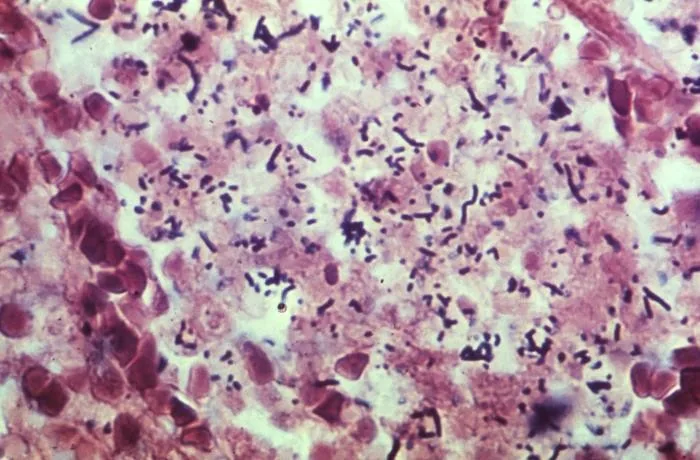 Histology & cytology
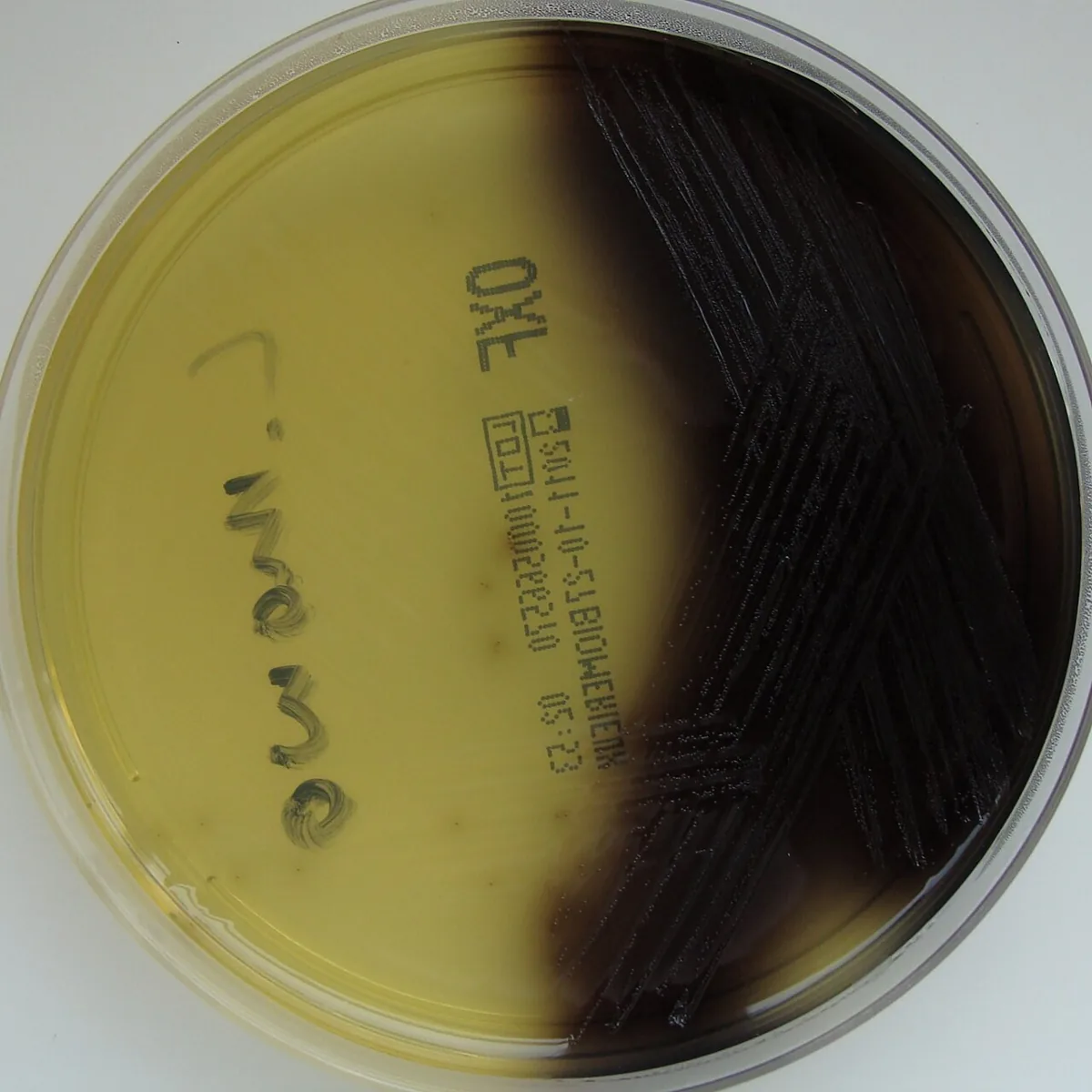 Histology & cytology
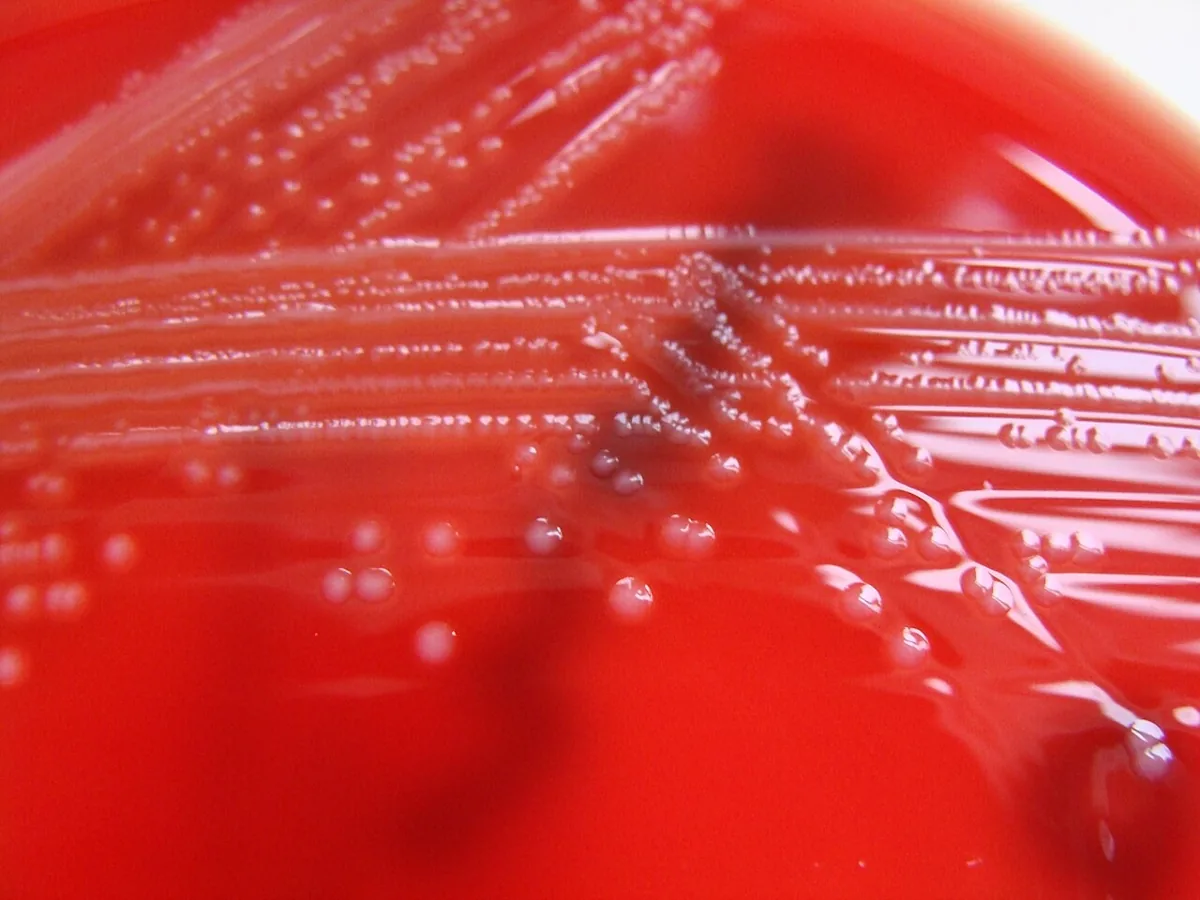 Histology & cytology
Definition
- Listeriosis in pregnancy is an infection with Listeria monocytogenes that can be transmitted to the child transplacentally during pregnancy, during birth or postnatally.
Occurrence & epidemiology
Epidemiology
- The disease is notifiable in Germany; like newborns, older and immunocompromised people, pregnant women belong to the risk groups.
Aetiopathogenesis
Aetiology and pathogenesis
- Listeria are gram-positive, motile, facultatively anaerobic rods that multiply intracellularly and can in principle grow even at refrigerator temperature.
- Listeriosis is a foodborne infection, for example via soft raw-milk cheese, raw sausage, minced meat, smoked fish or pre-cut salads.
Clinical features
Clinical features and complications
- In pregnant women, the disease usually runs an inconspicuous flu-like course or is even asymptomatic.
- The infection can pass to the unborn child, with the risk of preterm birth, stillbirth or a child born infected.
- In the newborn, early-onset infection occurs in the first week of life with sepsis, respiratory distress and skin lesions (granulomatosis infantiseptica), and late-onset infection from the second week, often as meningitis.
Diagnosis
- The organism is detected by culture, among others from blood, cerebrospinal fluid, vaginal secretions, lochia and meconium.
Keep learning in the app
Further reading (selection)
Cross-references
Note: Learning content from the GynFuchs app (flashcards, exam questions, image cases) for medical education – not a treatment recommendation and no substitute for diagnosis or treatment decisions in individual cases. Treatment and management are deliberately not covered on this page.