Varicella in pregnancy
Exam relevance: in 1 of 197 board exam reports · rank 171
- Synonyms
- chickenpox, varicella
- Specialty
- Obstetrics · Pregnancy disorders
- Images
- Clinical 2
- Exam relevance
- 1 of 197 reports · rank 171
- Last updated
- 10/2026 · Dr. Pascal Bafteh
Contents
Images (2)
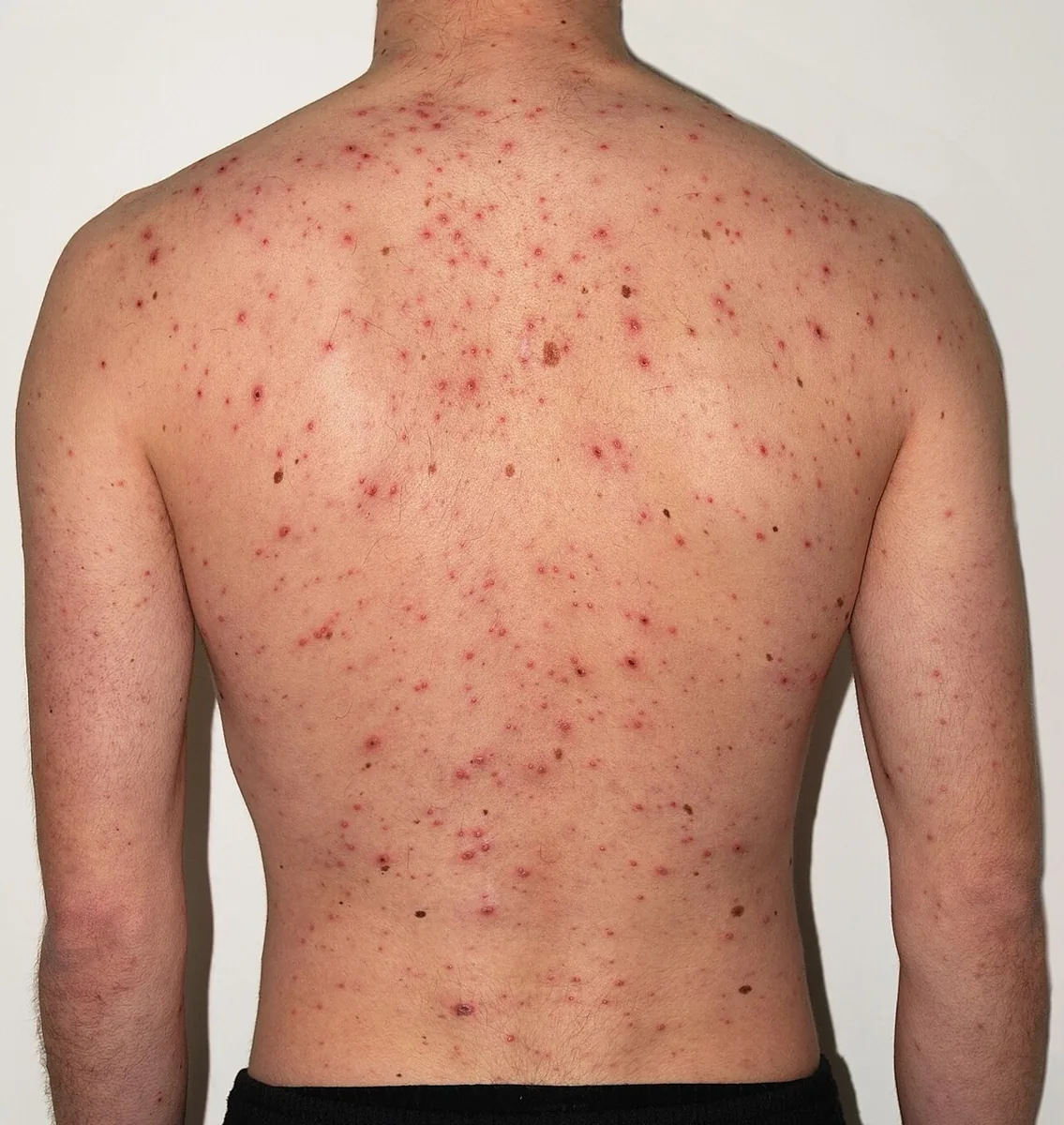
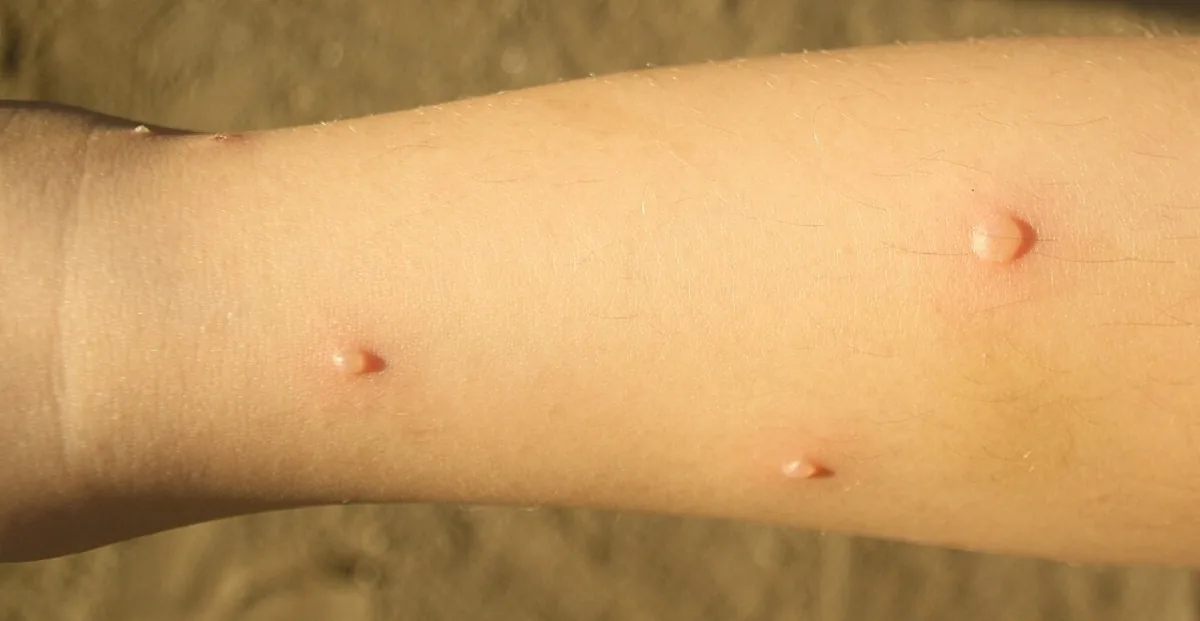
Definition
- Varicella in pregnancy denotes primary infection of a pregnant woman with varicella-zoster virus (VZV), which is rarely transmitted across the placenta and can endanger both fetus and newborn.
Classification
- Fetal varicella syndrome: it can occur in about 1–2% of varicella cases in pregnant women if the illness occurs between weeks 5 and 24 of gestation.
- Neonatal varicella: it threatens when the mother falls ill within 5 days before to 48 hours after birth, because the infant then receives no protective maternal antibodies.
- Herpes zoster in the mother poses no risk to the unborn child.
Occurrence & epidemiology
Epidemiology
- In Germany, antibodies against VZV were detectable in more than 95% of adults.
Aetiopathogenesis
Aetiology and pathogenesis
- The virus is transmitted by airborne droplet nuclei and by contact with vesicle fluid and is extremely contagious.
Clinical features
Clinical features and complications
- The illness starts with an itchy rash and fever; in adults it is more severe and more often complicated.
- A serious complication is varicella pneumonia, to which pregnant women are particularly susceptible.
- Fetal varicella syndrome shows segmentally distributed skin lesions, neurological damage such as cerebral atrophy, eye damage (microphthalmia, chorioretinitis, cataract) and skeletal anomalies.
- Neonatal varicella runs a very severe course with a case fatality of up to 30%.
Diagnosis
- Direct virus detection is usually done by VZV PCR.
- Immune status is determined by VZV IgG; IgG avidity allows primary infection to be distinguished from herpes zoster.
Keep learning in the app
Further reading (selection)
Cross-references
Note: Learning content from the GynFuchs app (flashcards, exam questions, image cases) for medical education – not a treatment recommendation and no substitute for diagnosis or treatment decisions in individual cases. Treatment and management are deliberately not covered on this page.