Preterm prelabour rupture of membranes (PPROM)
Exam relevance: in 17 of 197 board exam reports · rank 39
- Synonyms
- PPROM, premature rupture of membranes, waters breaking early
- Specialty
- Obstetrics · Pregnancy disorders
- Images
- Histology & cytology 2
- Exam relevance
- 17 of 197 reports · rank 39
- In the app
- 1 flashcards · GynFuchs
- Last updated
- 10/2026 · Dr. Pascal Bafteh
Contents
Images (2)
 Histology & cytology
 Histology & cytology
Definition
- Prelabour rupture of membranes (PROM) is rupture of the fetal membranes before the onset of labour contractions; when it occurs before 37 weeks of gestation, it is termed PPROM (preterm prelabour rupture of membranes).
Classification
- A distinction is made between rupture at term (from 37 weeks), PPROM (before 37 weeks) and rupture before viability (before about 24 weeks).
Occurrence & epidemiology
Epidemiology
- The latency to the onset of labour is shorter the further pregnancy has progressed: at term more than 90% of women go into labour within 24 hours, at 32–34 weeks the mean latency is about 4 days.
Aetiopathogenesis
Aetiology and risk factors
- In a meta-analysis, low BMI, an interpregnancy interval under 2 years, previous miscarriage, previous preterm birth, previous prelabour rupture of membranes, previous caesarean section, gestational hypertension, gestational diabetes, abnormal vaginal discharge, genital tract infection, malpresentation and increased abdominal pressure, among others, were associated with an increased risk.
- According to this analysis, the association with smoking and a short cervix is not sufficiently established.
Clinical features
More facts from the study questions
- Inspection is performed with a sterile speculum to minimise the risk of infection.
- As long as no complications such as infection occur and the CTG is normal, a watchful waiting approach is taken.
Clinical features and complications
- Without complications the only symptom is leakage or a sudden gush of fluid from the vagina; fever, heavy or foul-smelling discharge, abdominal pain and fetal tachycardia strongly suggest intra-amniotic infection.
- Rupture of membranes increases the risk of intra-amniotic infection, neonatal sepsis, malpresentation and placental abruption; common organisms are group B streptococci and Escherichia coli, and PPROM predisposes to preterm birth.
- Prolonged rupture before viability (before 24 weeks) increases the risk of limb deformities and pulmonary hypoplasia (Potter sequence).
Diagnosis
- With suspected rupture of the membranes: sterile speculum examination.
- Confirmation comes from pH, AmniSure, PROM test.
- With ruptured membranes the vaginal pH is increased to approx. 7.
- Baseline work-up covers TVS, CTG, biometry, Doppler, labs.
- On sterile speculum examination, rupture is considered confirmed if amniotic fluid escapes from the cervix or vernix or meconium is visible.
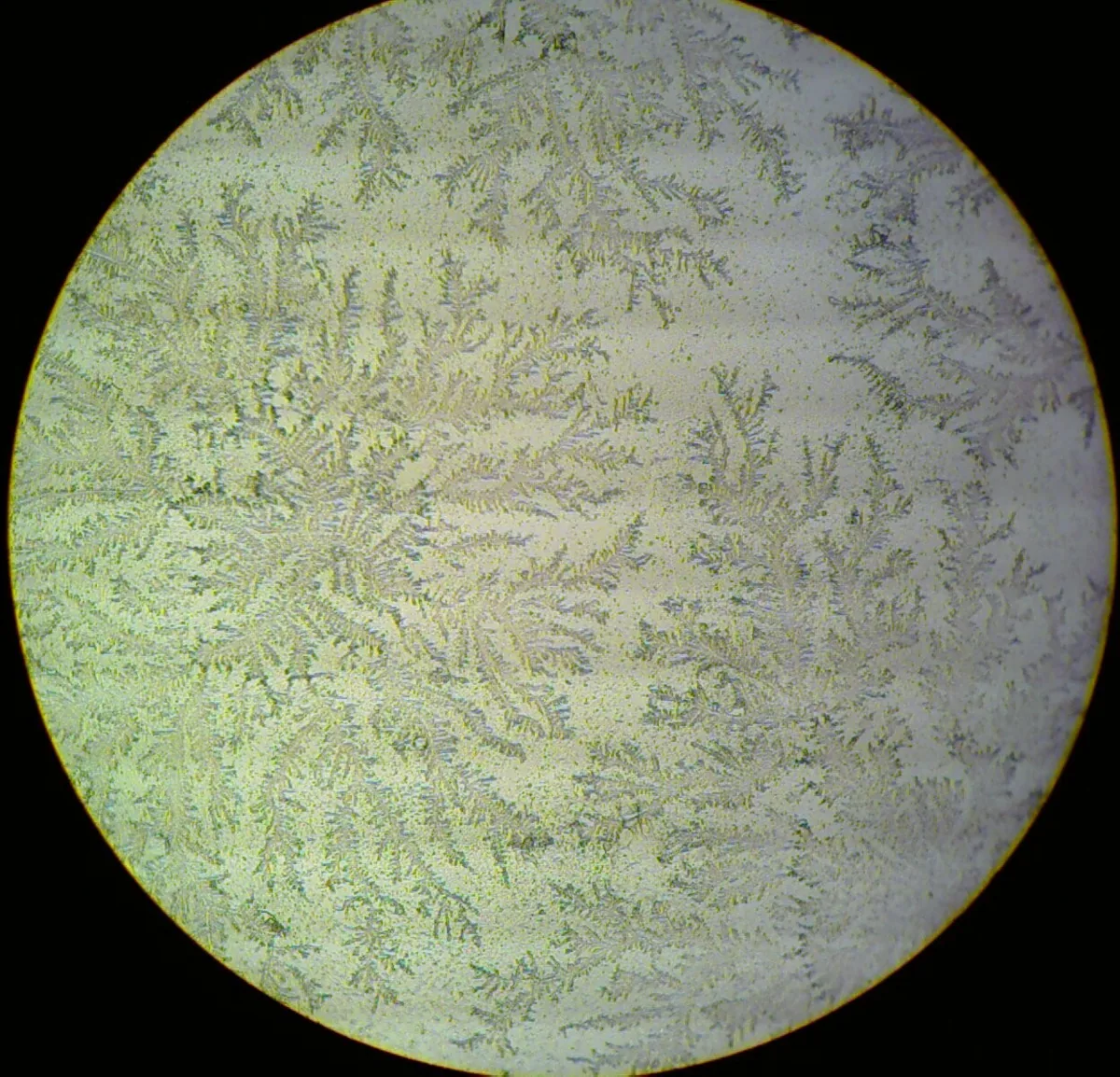
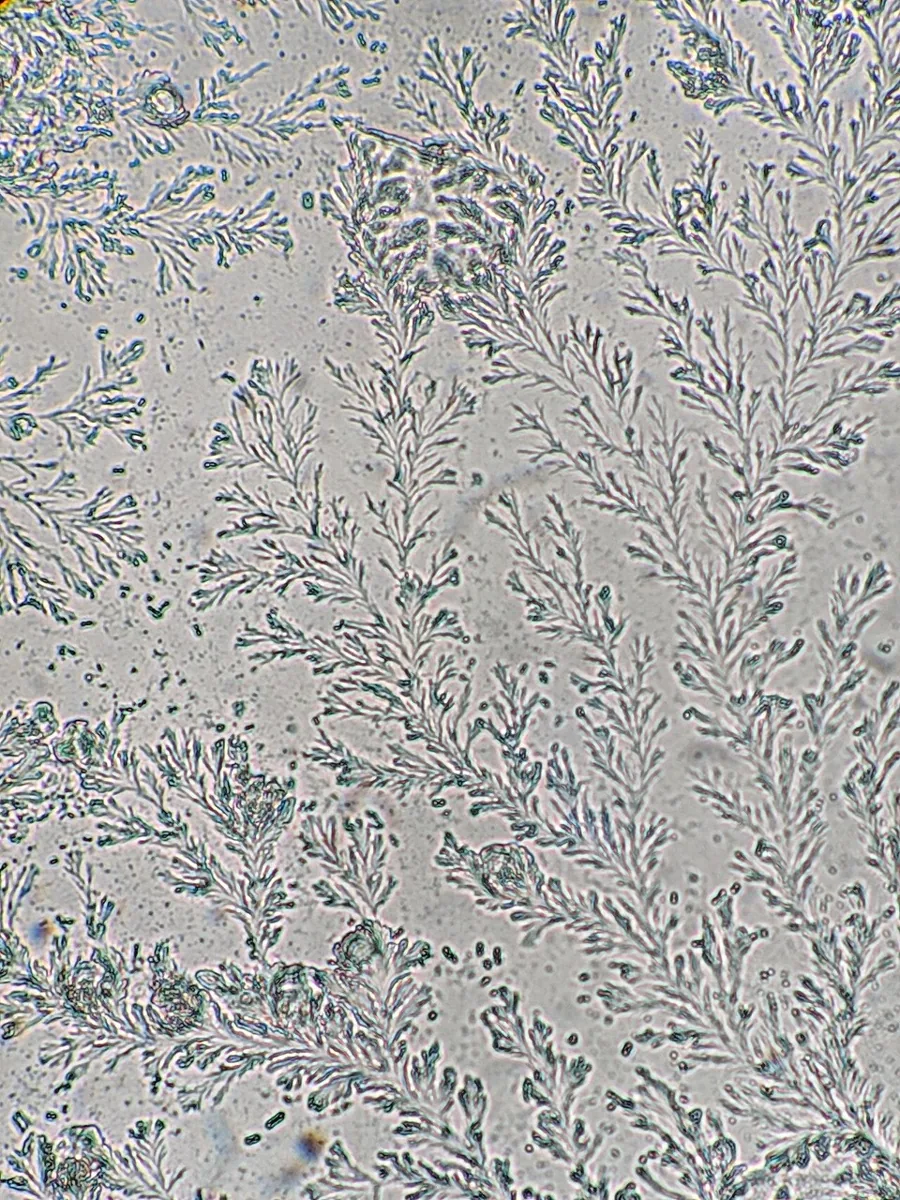
- Less accurate indicators are ferning (arborisation) of dried secretions and an alkaline pH on the nitrazine test; blood, semen, alkaline antiseptics, urine or bacterial vaginosis can give false-positive results.
- Oligohydramnios on ultrasound supports the diagnosis; in doubtful cases it can be confirmed by instilling dye at amniocentesis.
Keep learning in the app
Further reading (selection)
- StatPearls: Preterm and Term Prelabor Rupture of Membranes (PPROM and PROM) (NCBI Bookshelf)
- MSD Manual Professional Edition: Prelabor Rupture of Membranes (PROM)
- BMJ Open 2024: Risk factors for premature rupture of membranes – systematic review and meta-analysis (PMC, open access)
- DocCheck Flexikon, Vorzeitiger Blasensprung
Cross-references
Note: Learning content from the GynFuchs app (flashcards, exam questions, image cases) for medical education – not a treatment recommendation and no substitute for diagnosis or treatment decisions in individual cases. Treatment and management are deliberately not covered on this page.