Group B streptococcus in pregnancy
Exam relevance: in 6 of 197 board exam reports · rank 93
- Synonyms
- GBS, group B strep
- Specialty
- Obstetrics · Pregnancy disorders
- Images
- Histology & cytology 3
- Exam relevance
- 6 of 197 reports · rank 93
- In the app
- 1 flashcards · GynFuchs
- Last updated
- 10/2026 · Dr. Pascal Bafteh
Contents
Images (3)
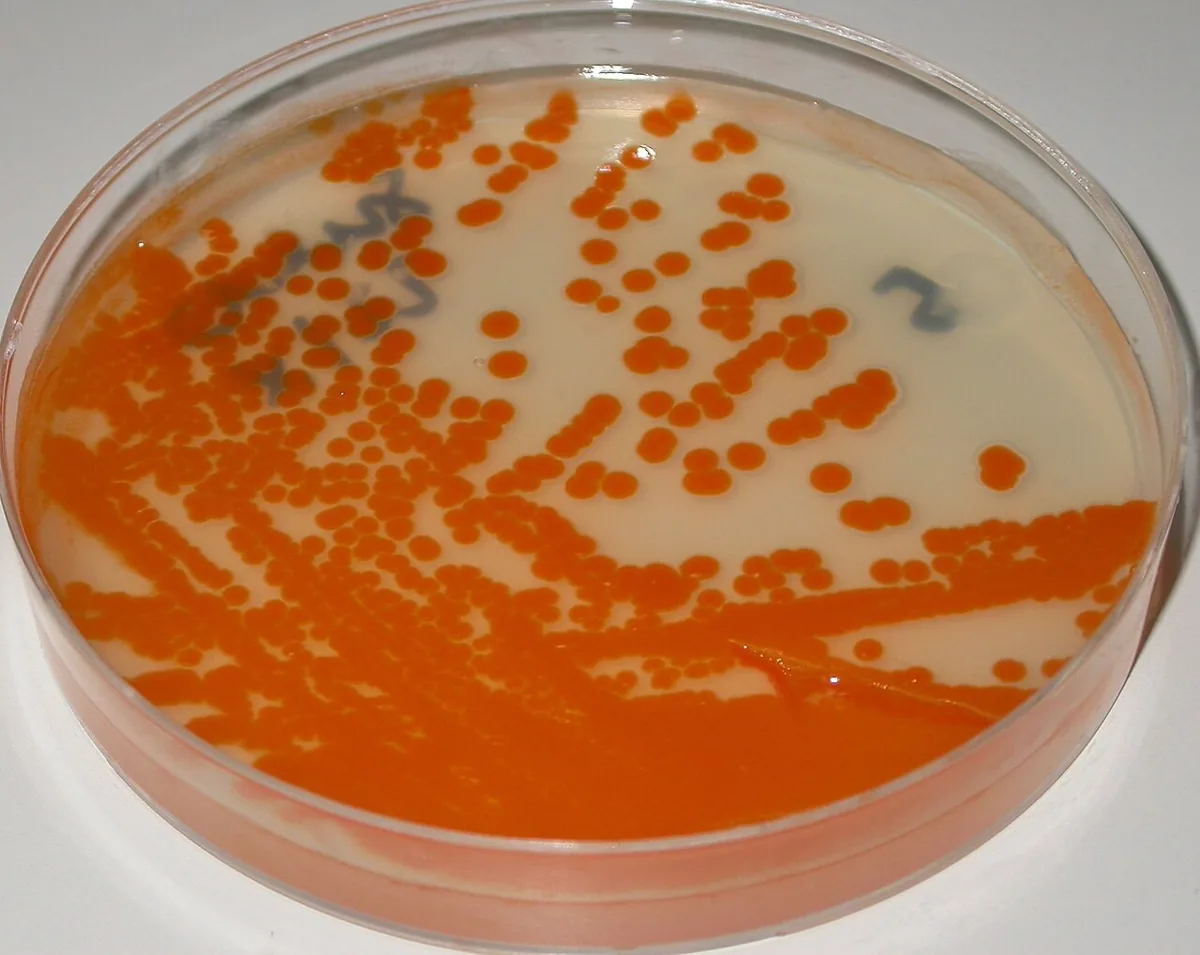 Histology & cytology
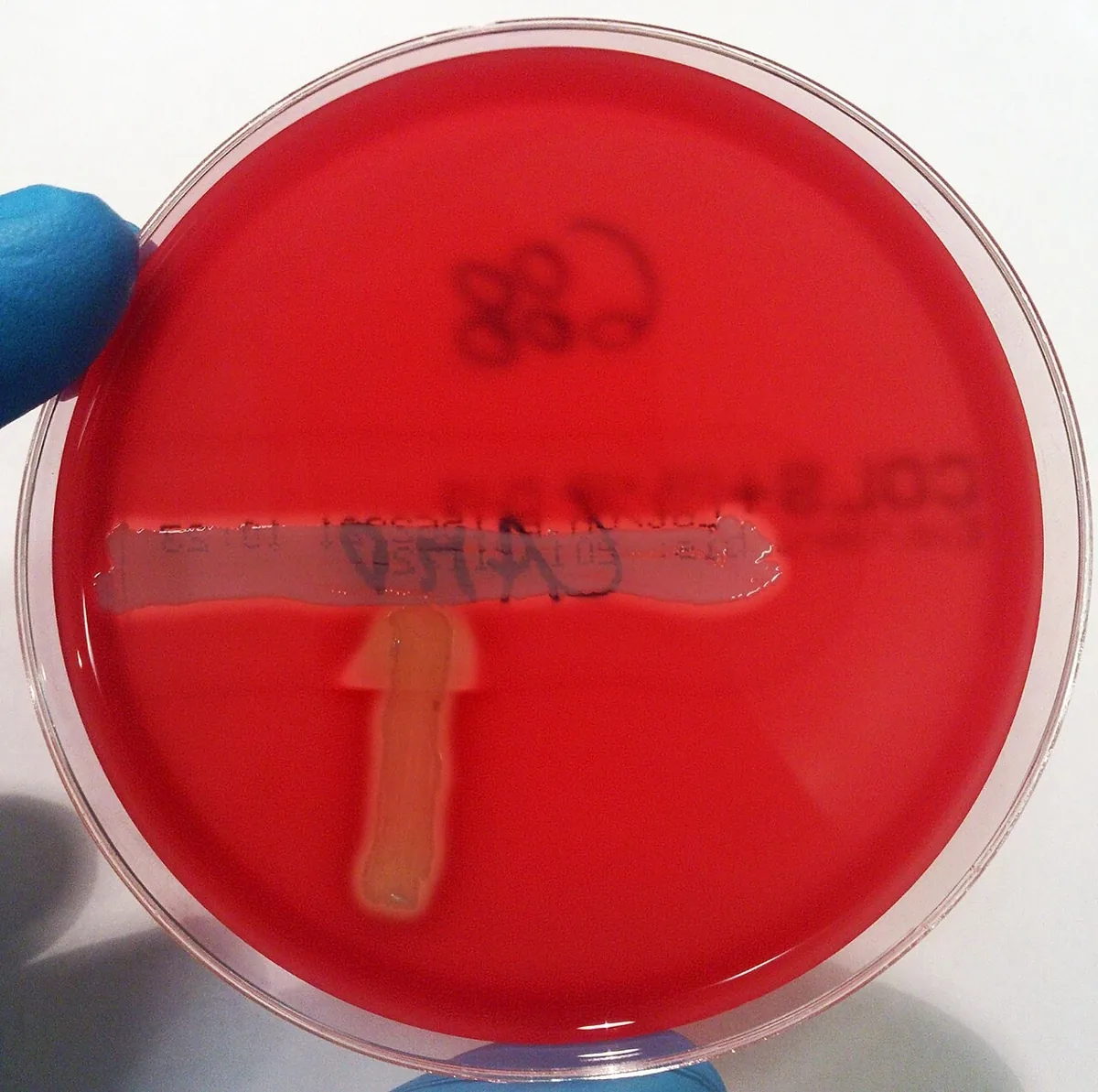 Histology & cytology
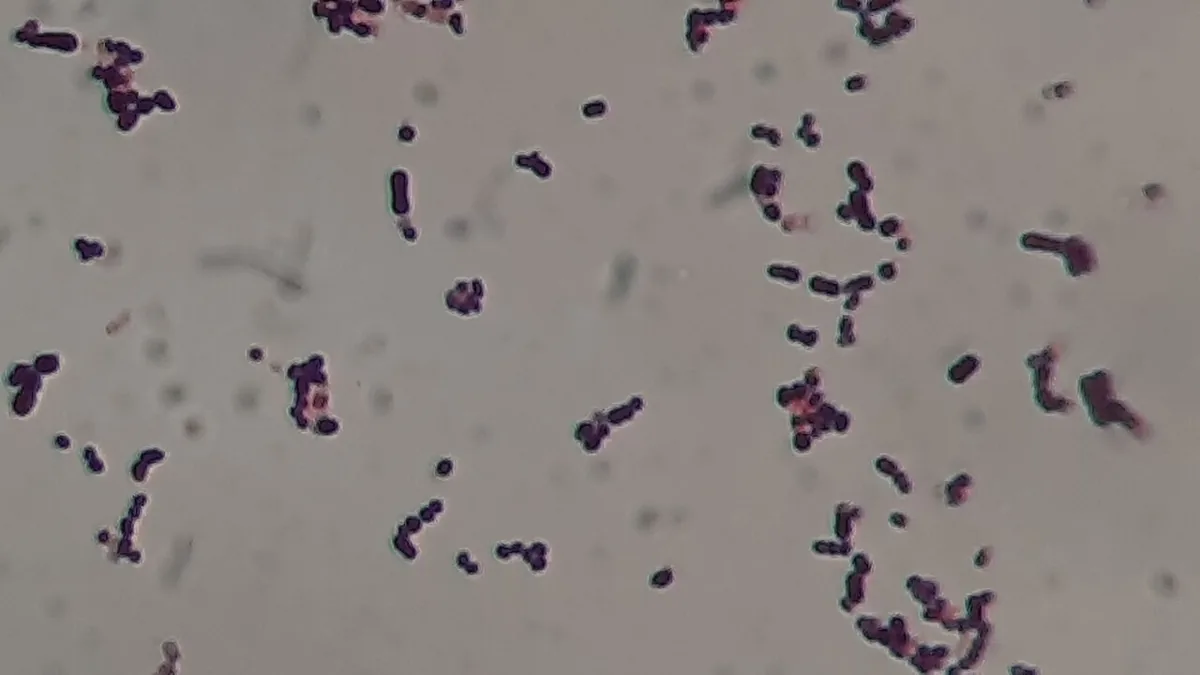 Histology & cytology
Definition
- Group B streptococci (Streptococcus agalactiae) are gram-positive bacteria that frequently colonise the genital and gastrointestinal tract asymptomatically.
Classification
- Early-onset disease: it affects newborns in the first 7 days of life.
- Late-onset disease: it occurs from day 7 to day 89 of life.
Occurrence & epidemiology
Why It Matters
- The pathogen: Streptococcus agalactiae (group B).
- Occurrence: colonisation in 10–30% of pregnant women.
- The risk for the infant: early-onset sepsis with pneumonia/meningitis.
Epidemiology
- Up to one third of pregnant women are colonised in the gastrointestinal tract and vagina.
Aetiopathogenesis
Aetiology and pathogenesis
- Early-onset disease arises from vertical transmission during birth, including ascending spread from the vagina.
- The main risk factor is maternal colonisation; the risk also rises with prolonged rupture of membranes and preterm birth.
Clinical features
Clinical features and complications
- In the newborn, both forms present as bacteraemia, sepsis, pneumonia and meningitis; neurological sequelae include loss of sight or hearing and cerebral palsy.
- In the pregnant woman, group B streptococci can cause asymptomatic bacteriuria, urinary tract infection, chorioamnionitis, postpartum endometritis and bacteraemia; preterm birth and stillbirth have also been described.
Diagnosis
- Detection of group B streptococci requires correct specimen collection; besides culture, nucleic acid amplification tests (NAAT) are used.
- Colonisation can change: up to 40% of those testing positive during pregnancy are negative at the time of birth.
Keep learning in the app
Further reading (selection)
Cross-references
Note: Learning content from the GynFuchs app (flashcards, exam questions, image cases) for medical education – not a treatment recommendation and no substitute for diagnosis or treatment decisions in individual cases. Treatment and management are deliberately not covered on this page.