Urinary tract infections in pregnancy
Exam relevance: in 2 of 197 board exam reports · rank 144
- Specialty
- Obstetrics · Pregnancy disorders
- Images
- Histology & cytology 2
- Exam relevance
- 2 of 197 reports · rank 144
- Last updated
- 10/2026 · Dr. Pascal Bafteh
Contents
Images (2)
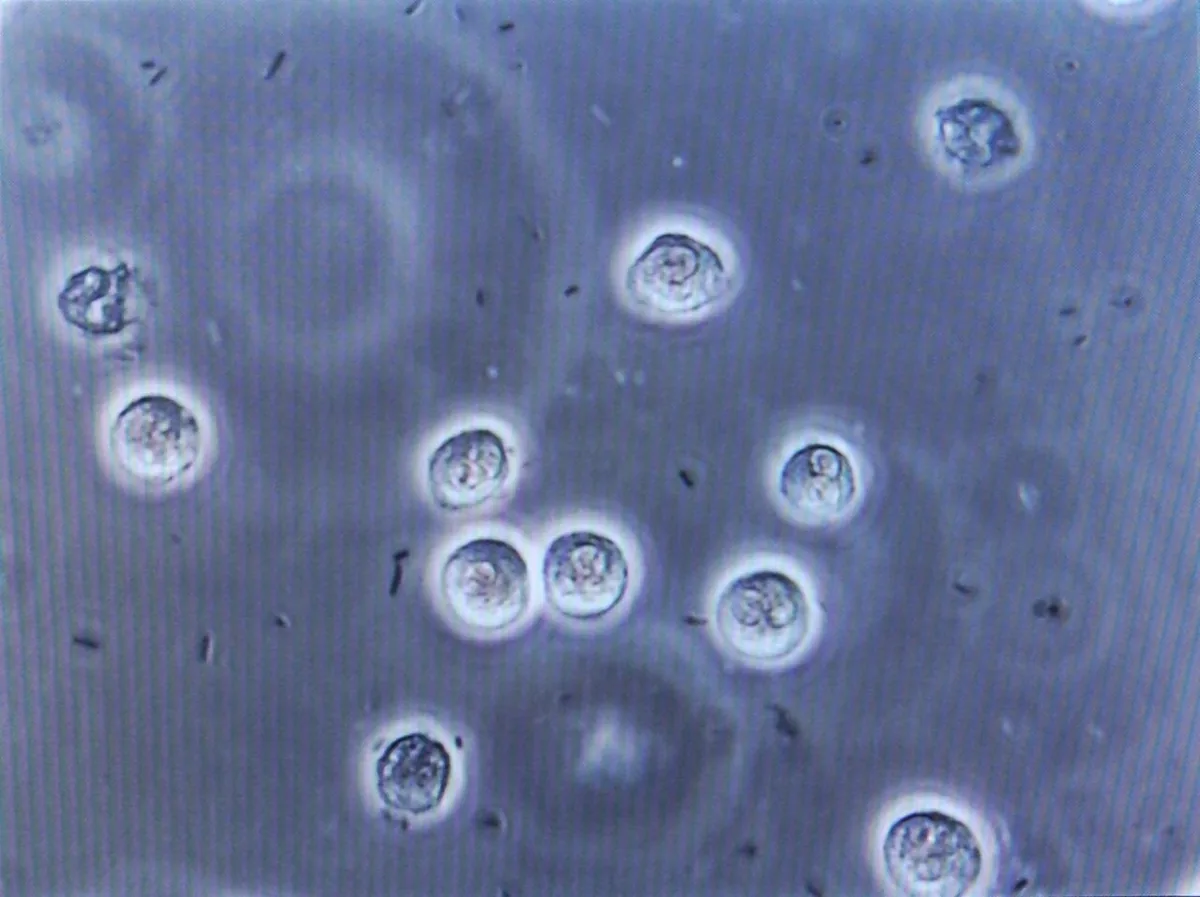 Histology & cytology
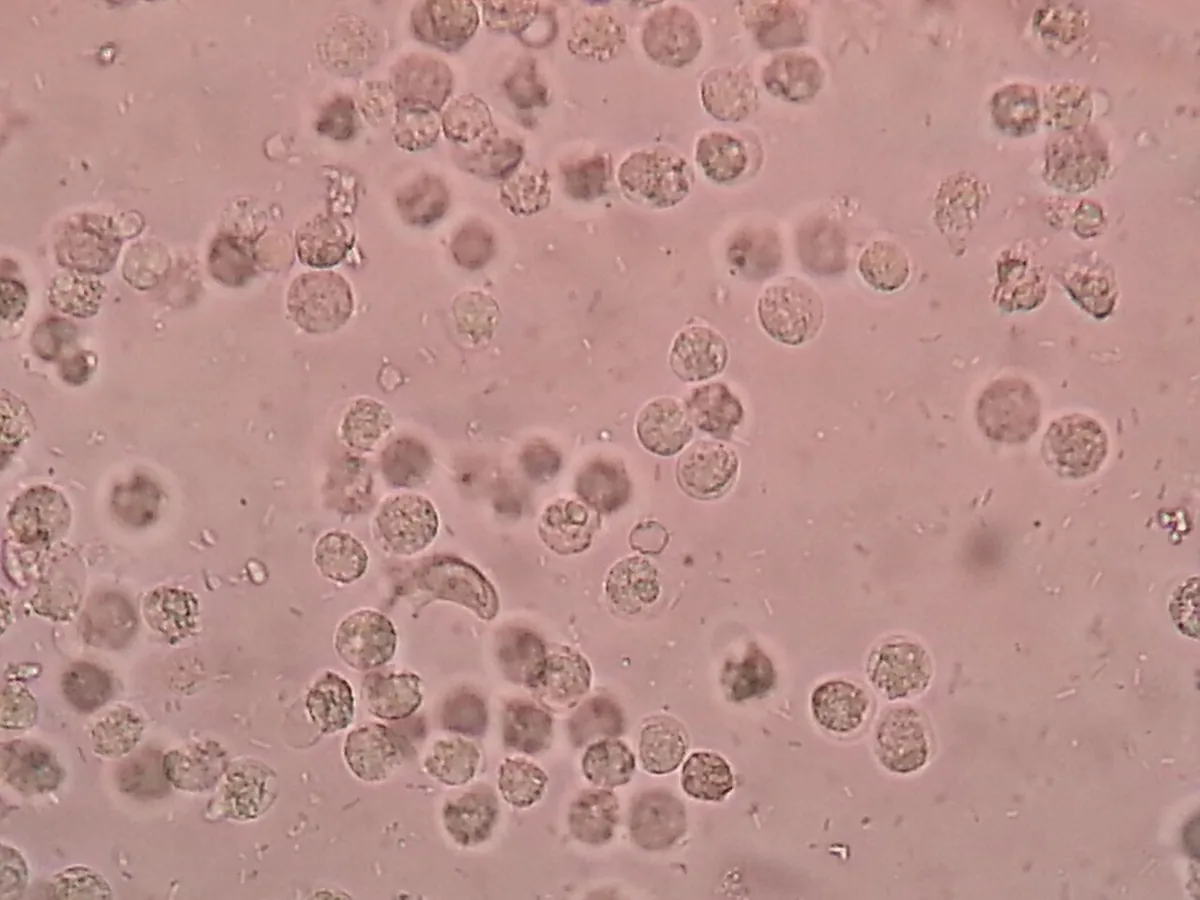 Histology & cytology
Definition
- Urinary tract infections in pregnancy comprise asymptomatic bacteriuria, cystitis and pyelonephritis; asymptomatic bacteriuria may progress to symptomatic cystitis or pyelonephritis.
- Asymptomatic bacteriuria is a significant bacterial count in the urine without symptoms of lower or upper urinary tract infection; studies usually use a threshold of at least 10⁵ colony-forming units per millilitre in midstream urine.
Occurrence & epidemiology
Epidemiology
- Urinary tract infections are more common in pregnancy and are reported in about 18% of pregnancies; asymptomatic bacteriuria has a prevalence of 2–10% in premenopausal women.
Aetiopathogenesis
Aetiology and risk factors
- The increased susceptibility results from urinary stasis due to hormone-mediated ureteral dilatation and hypoperistalsis and pressure of the enlarging uterus on the ureters.
- The commonest organism is Escherichia coli, which is found in 65–84% of pregnant women with asymptomatic bacteriuria.
Clinical features
Clinical features and complications
- Cystitis presents, as outside pregnancy, with frequency, urgency, dysuria and sometimes nocturia; however, some of these symptoms also occur in pregnancy without infection.
- Acute pyelonephritis occurs mainly in the second and third trimesters and presents with cystitis symptoms, chills, fever, flank pain, colicky abdominal pain, nausea and vomiting; costovertebral angle tenderness is usually present on the affected side.
- In pregnancy pyelonephritis can rapidly progress to sepsis, disseminated intravascular coagulation and acute respiratory distress syndrome; asymptomatic bacteriuria, urinary tract infection and pyelonephritis increase the risk of preterm labour and low birth weight.
Diagnosis
- Asymptomatic bacteriuria is detected by urine culture; in symptomatic infection a urine dipstick is followed by urinalysis and urine culture.
- Group B streptococci in a urine culture, at any colony count, indicate heavy vaginal-rectal colonisation.
Keep learning in the app
Further reading (selection)
Cross-references
Note: Learning content from the GynFuchs app (flashcards, exam questions, image cases) for medical education – not a treatment recommendation and no substitute for diagnosis or treatment decisions in individual cases. Treatment and management are deliberately not covered on this page.