Cold urticaria (cold allergy)
- Synonyms
- Cold allergy, cold hives, cold-induced urticaria, urticaria e frigore, ColdU, Kälteurtikaria
- Specialty
- Dermatology · Allergies
- Images
- Clinical 4
- Last updated
- 10/2026 · Dr. Pascal Bafteh
Contents
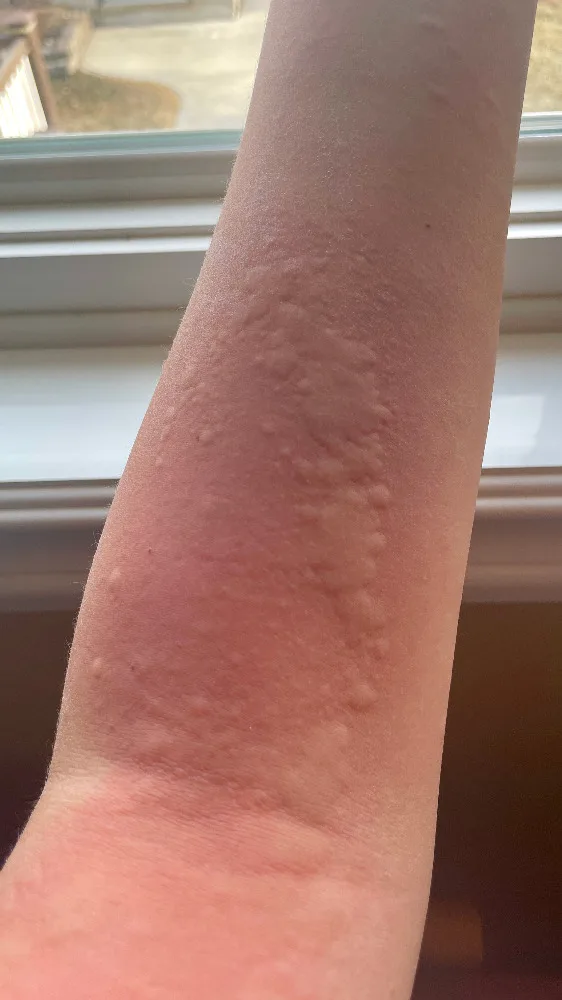
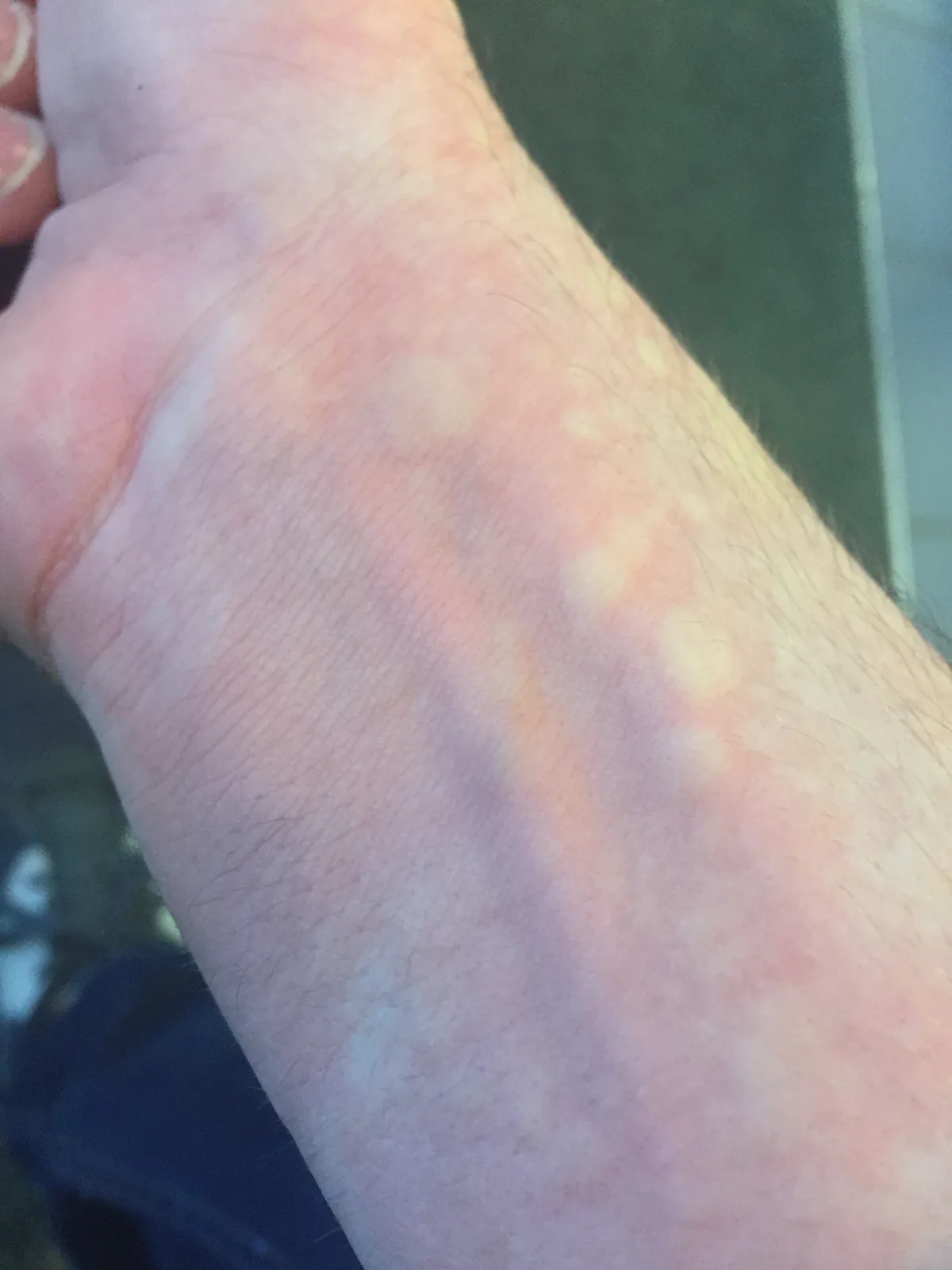
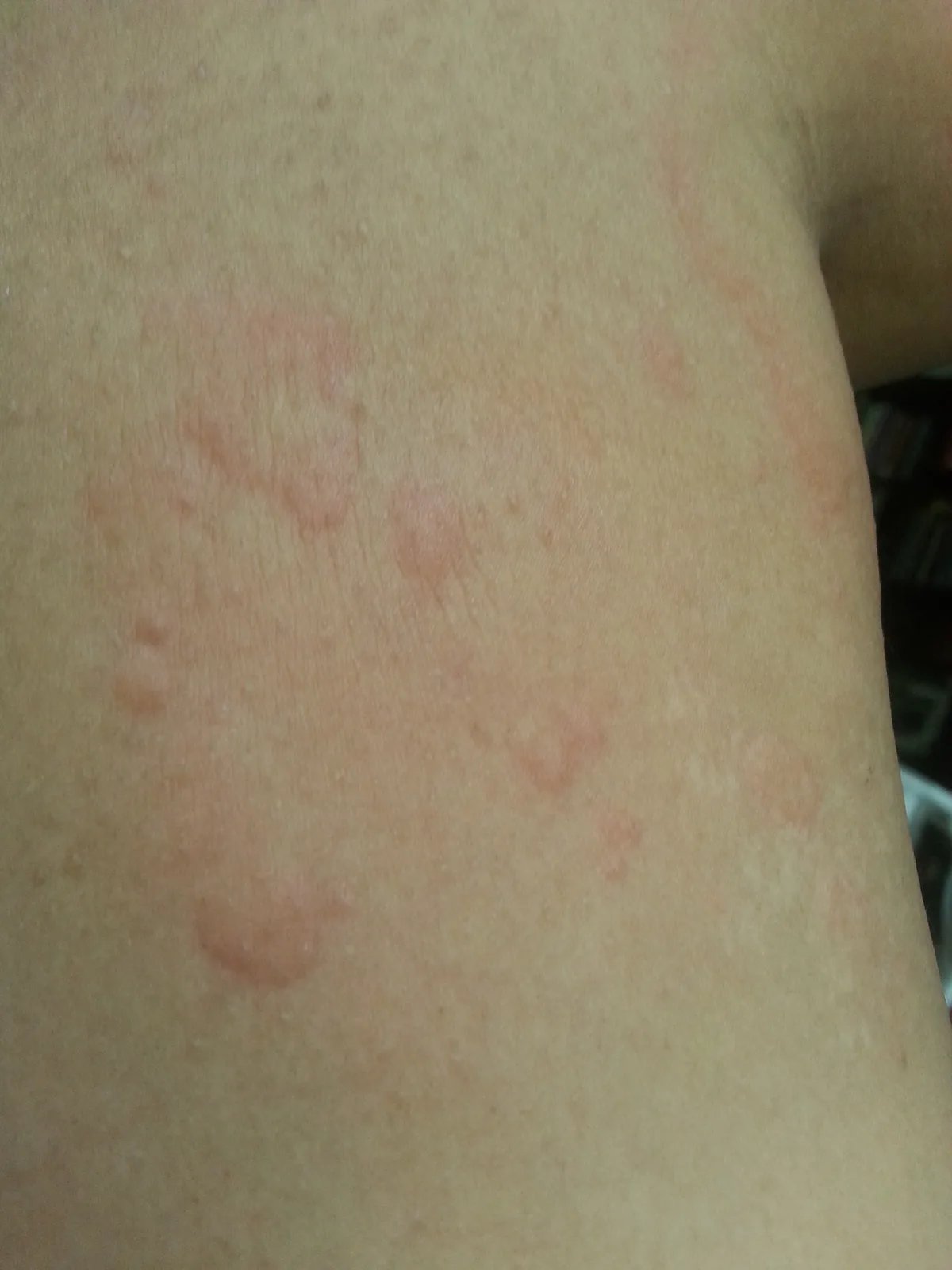
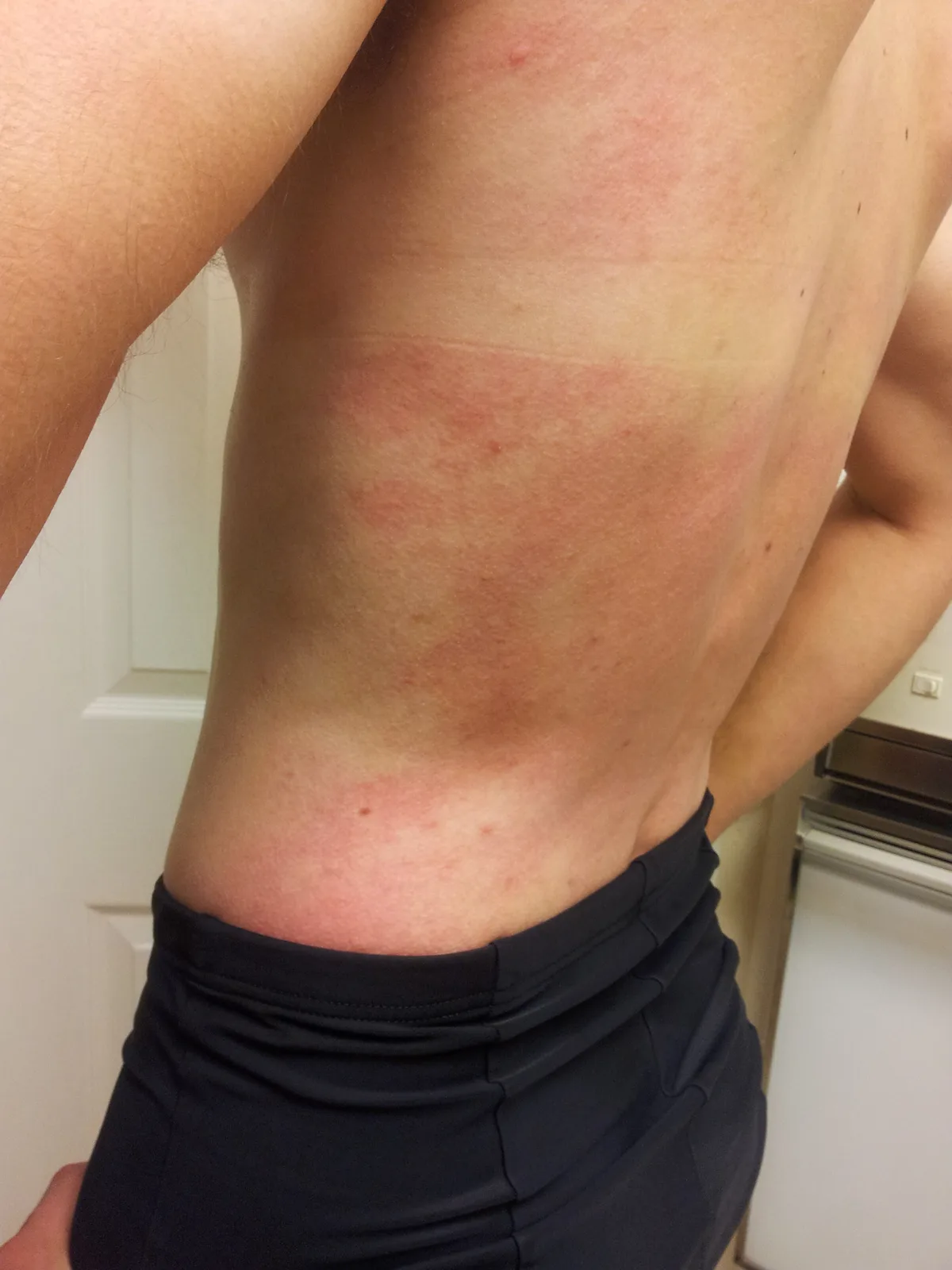
Images (4)
Definition
Cold urticaria (colloquially “cold allergy”) is a form of chronic inducible urticaria (CIndU): cold – cold air and wind, cold water, cold objects, cold food and drinks – triggers itchy wheals, angioedema or both. The international urticaria guideline (EAACI/GA²LEN/EuroGuiDerm/APAAACI 2022) classifies it among the CIndUs, i.e. urticaria with a defined, reproducible trigger, as opposed to chronic spontaneous urticaria (CSU). Chronic means symptoms lasting more than 6 weeks.
Classification
- Acquired cold urticaria: by far the most common form; occurs without a family history.
- Hereditary forms: rare, e.g. familial atypical cold urticaria. They must be distinguished from the monogenic familial cold autoinflammatory syndromes (e.g. FCAS1 with NLRP3 variants, part of the cryopyrin-associated periodic syndromes), which are not mast cell disorders in the strict sense.
- Typical vs. atypical (based on cold stimulation testing): in typical cold urticaria a palpable wheal appears at the test site within 10 minutes after a 5-minute cold stimulus on the volar forearm; in the international COLD-CE study this applied to 75% of patients. In atypical forms the standard test is negative or non-classical, or only modified tests elicit wheals – e.g. delayed cold urticaria (swelling after 9–24 hours), systemic cold urticaria (only on whole-body cooling), localised cold reflex urticaria (wheals next to, not at, the contact site) or cold-induced cholinergic urticaria (on exercise in a cold environment).
- “Primary” vs. “secondary”: older classifications and DermNet distinguish idiopathic (primary) from secondary cold urticaria associated with an underlying disease. Recent reviews (Bizjak 2025) consider these terms misleading, because a causal link with the reported associated conditions is usually unproven.
Occurrence & epidemiology
- Rare in the general population (DermNet gives about 0.05%), but common among the inducible urticarias: the second most frequent CIndU after symptomatic dermographism. A meta-analysis found cold urticaria in about 26% of patients with CIndU and about 8% of all chronic urticaria.
- Mainly young adults are affected, although any age is possible; women about twice as often as men. In an Australian cohort (99 patients) 63% were female and the median age at onset was 22 years.
- Course – sources disagree: reviews describe the acquired form as self-limiting in most patients. A 20-year follow-up (Jain & Mullins 2016), however, found low spontaneous resolution rates: about 18% after 5 years and about 25% after 10 years; 55% reported stable or worsening disease.
Aetiopathogenesis
- Final common pathway: cold activates skin mast cells, which release histamine and other mediators – wheal, flare and itch, or angioedema when deeper layers are involved. The triggering mechanism is not fully understood.
- Hypotheses: cold-induced formation of autoallergens against which IgE is present (autoallergy); older models invoke IgE or IgG autoantibodies or immune complexes with cryoglobulin-like properties.
- Reported associations (mostly case reports, causality uncertain): infections (including Helicobacter pylori, Epstein–Barr virus, hepatitis C, HIV, toxoplasmosis), Hymenoptera and jellyfish stings, vaccinations, malignancies, particularly B-cell neoplasms.
- Cryoproteins – conflicting data: a meta-analysis with a cohort study from Berlin (Ginter 2021) found raised cryoglobulins in only 3.0%, cryofibrinogen in 1.1% and cold agglutinins in 0.7% of patients and concluded that other mechanisms drive the disease. A prospective single-centre study from Slovenia (Bizjak 2021, 35 patients, samples processed in specialised laboratories), by contrast, found positive cold agglutinin tests in 46% and positive cryoglobulin tests in 27%. Part of the discrepancy is attributed to temperature-sensitive sample handling.
- Mast cell clonality: in severe systemic reactions, especially with previous anaphylaxis to insect stings, a clonal mast cell disorder should be considered.
Clinical features
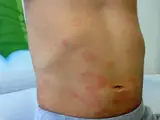
- Itchy, sharply demarcated wheals with redness on cold-exposed skin, often appearing on rewarming; they usually resolve within about an hour (DermNet: onset 2–5 minutes after exposure, lasting 1–2 hours). Wheals and angioedema are therefore shorter-lived than in chronic spontaneous urticaria.
- Typical triggers: cold wind, bathing and swimming in cold water, handling cold objects, cold food and drinks (sensation of swelling in the mouth and throat), rain or evaporative cooling; rarely during surgery due to cold infusions or surroundings.
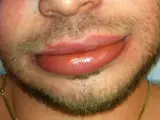
- Angioedema of the oral and pharyngeal mucosa after cold drinks or food is considered a sign of severe disease.
- Systemic reactions (cold-induced anaphylaxis): in the COLD-CE study (551 patients), 37% of those with a positive stimulation test had at least one systemic reaction; a meta-analysis found anaphylaxis in about 21% of all patients. The most common trigger is complete immersion in cold water – when bathing or swimming, circulatory collapse and drowning are possible.
- Warning signs of severe disease (COLD-CE): generalised wheals, angioedema, acral swelling, throat and laryngeal symptoms and itchy earlobes; a previous systemic reaction to a Hymenoptera sting is a risk factor for cardiovascular involvement. Patients with concomitant chronic spontaneous urticaria had systemic reactions less often.
Diagnosis
History
- Triggers, wheal duration, angioedema, mucosal involvement after cold drinks, cardiovascular, respiratory and gastrointestinal symptoms, previous reactions when swimming or to insect stings, comorbidities; photographs of the skin reaction support the diagnosis.
Cold stimulation test
- Standard test: an ice cube (in a thin cover, e.g. a latex-free glove) or the TempTest® is applied to the volar forearm for 5 minutes; the reading is taken over 10 minutes during rewarming. A palpable, clearly visible wheal at the test site is positive.
- Antihistamines and systemic glucocorticoids can suppress the result and must be paused for long enough before testing.
- A negative standard test does not exclude the diagnosis if the history is clear; modified tests may then be used in specialised centres, e.g. a prolonged ice cube test, cold pack, hand immersion in ice water (hypotension possible), evaporative cooling test or exercise in a cold room.
Threshold testing
- For inducible urticaria the guidelines recommend threshold testing in addition to provocation: the critical stimulation time threshold (shortest ice cube contact time that induces a wheal) and the critical temperature threshold (highest temperature at which the TempTest® still induces wheals). They are used to assess disease activity and to monitor the course; shorter stimulation times, higher temperature thresholds and larger wheals are associated with more severe disease.
Laboratory tests and differentiation
- No extensive routine laboratory work-up; further tests (e.g. blood count, inflammatory markers, infection screening) only as indicated by history and findings. After a systemic reaction, serum tryptase (acute and at baseline) can support the diagnosis of anaphylaxis and point to a mast cell disorder.
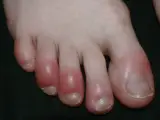
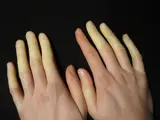
- Cryoglobulinaemia: cryoglobulins are immunoglobulins that precipitate in the cold. Typical findings are palpable purpura, livedo, acrocyanosis, acral necrosis and ulcers, and joint and renal involvement as part of a vasculitis – not transient wheals. For detection, the blood sample must be kept at body temperature until processed, otherwise the result is falsely negative.
- Cold agglutinins: usually IgM antibodies against red blood cells that agglutinate in the cold; clinically acrocyanosis and haemolysis (cold agglutinin disease) rather than wheals. Warm sample handling is required here as well.
- Familial cold autoinflammatory syndromes: urticarial rash after whole-body cooling, accompanied by fever, joint pain, conjunctivitis and raised inflammatory markers, usually starting in childhood and running in families; the local ice cube test is typically negative.
Differential diagnoses
- Urticarial vasculitis (normocomplementaemic and hypocomplementaemic)
- Mastocytosis (urticaria pigmentosa)
- Cryoglobulinaemic vasculitis
- Cold agglutinin disease
- Familial cold autoinflammatory syndromes (e.g. FCAS)
- Cholinergic and aquagenic urticaria
Treatment principles
- The basis is avoiding or reducing cold triggers and informing patients about the risk of systemic reactions, especially when bathing or swimming in cold water.
- Drug treatment centres on non-sedating H1-antihistamines; if their effect is insufficient, the guideline provides a step-up algorithm that also includes biologics – used off-label in cold urticaria.
- Where there is a risk of systemic reactions, emergency equipment for treating anaphylaxis and training in its use belong to the treatment plan; before surgery the anaesthesia team is informed and care is taken to keep the patient warm.
Guideline: AWMF guideline register (no. 013-028)
Specific treatment regimens with drugs and doses are covered in the DermaFuchs app.
Keep learning in the app
References (selection)
- Zuberbier T et al. The international EAACI/GA²LEN/EuroGuiDerm/APAAACI guideline for the definition, classification, diagnosis, and management of urticaria. Allergy 2022;77:734–766 (PMID 34536239)
- German S3 guideline on classification, diagnosis and treatment of urticaria – German-language adaptation of the international guideline (AWMF register no. 013-028)
- Magerl M et al. The definition, diagnostic testing, and management of chronic inducible urticarias – EAACI/GA²LEN/EDF/UNEV consensus recommendations 2016. Allergy 2016;71:780–802 (PMID 26991006)
- Maltseva N et al. Cold urticaria – What we know and what we do not know. Allergy 2021;76:1077–1094 (PMID 33249577)
- Bizjak M. Cold Urticaria: From Wheals to Anaphylaxis. Allergy Asthma Immunol Res 2025;17:547–562 (PMID 41044831)
- Bizjak M et al. Risk factors for systemic reactions in typical cold urticaria: Results from the COLD-CE study. Allergy 2022;77:2185–2199 (PMID 34862605)
- Prosty C et al. Prevalence, Management, and Anaphylaxis Risk of Cold Urticaria: A Systematic Review and Meta-Analysis. J Allergy Clin Immunol Pract 2022;10:586–596 (PMID 34673287)
- Ginter K et al. Cryoglobulins, Cryofibrinogens, and Cold Agglutinins in Cold Urticaria. Front Immunol 2021;12:675451 (PMID 34113348)
- Bizjak M et al. Cold Agglutinins and Cryoglobulins Associate With Clinical and Laboratory Parameters of Cold Urticaria. Front Immunol 2021;12:665491 (PMID 33995398)
- Jain SV, Mullins RJ. Cold urticaria: a 20-year follow-up study. J Eur Acad Dermatol Venereol 2016;30:2066–2071 (PMID 27422852)
- DermNet: Cold urticaria
Cross-references
More cold and winter dermatoses
Keep learning
Keep learning with flashcards, exam questions and spot diagnoses in the DermaFuchs app – free, in your browser or as an app.
Related pages: Urticaria · Angioedema · Chilblains (pernio)
Note: This page is intended for medical education and does not replace diagnosis or treatment decisions in individual cases.