Drug allergy
- Synonyms
- medication allergy, drug hypersensitivity, drug rash, beta-lactam allergy, serum sickness, fixed drug eruption
- Specialty
- Internal medicine · Allergology
- Images
- Clinical 2
- Last updated
- 10/2026 · Dr. Pascal Bafteh
Contents
Images (2)
Definition
Drug allergy is an immune-mediated reaction to a drug. It differs from toxic and other adverse pharmacological effects and from drug–drug interactions. Manifestations range from mild rashes to anaphylaxis and severe, life-threatening skin and organ reactions.
Classification
According to the Gell and Coombs classification, four reaction types are distinguished; several types may act together.
- Type I (immediate, IgE-mediated): onset usually within one hour; urticaria, angiedema, bronchospasm and anaphylaxis.
- Type II (cytotoxic): e.g. drug-induced immune hemolytic anemia due to antibodies against drug-coated red blood cells.
- Type III (immune complex): e.g. serum sickness about 7 to 10 days after exposure, with fever, joint pain and rash lasting 1 to 2 weeks.
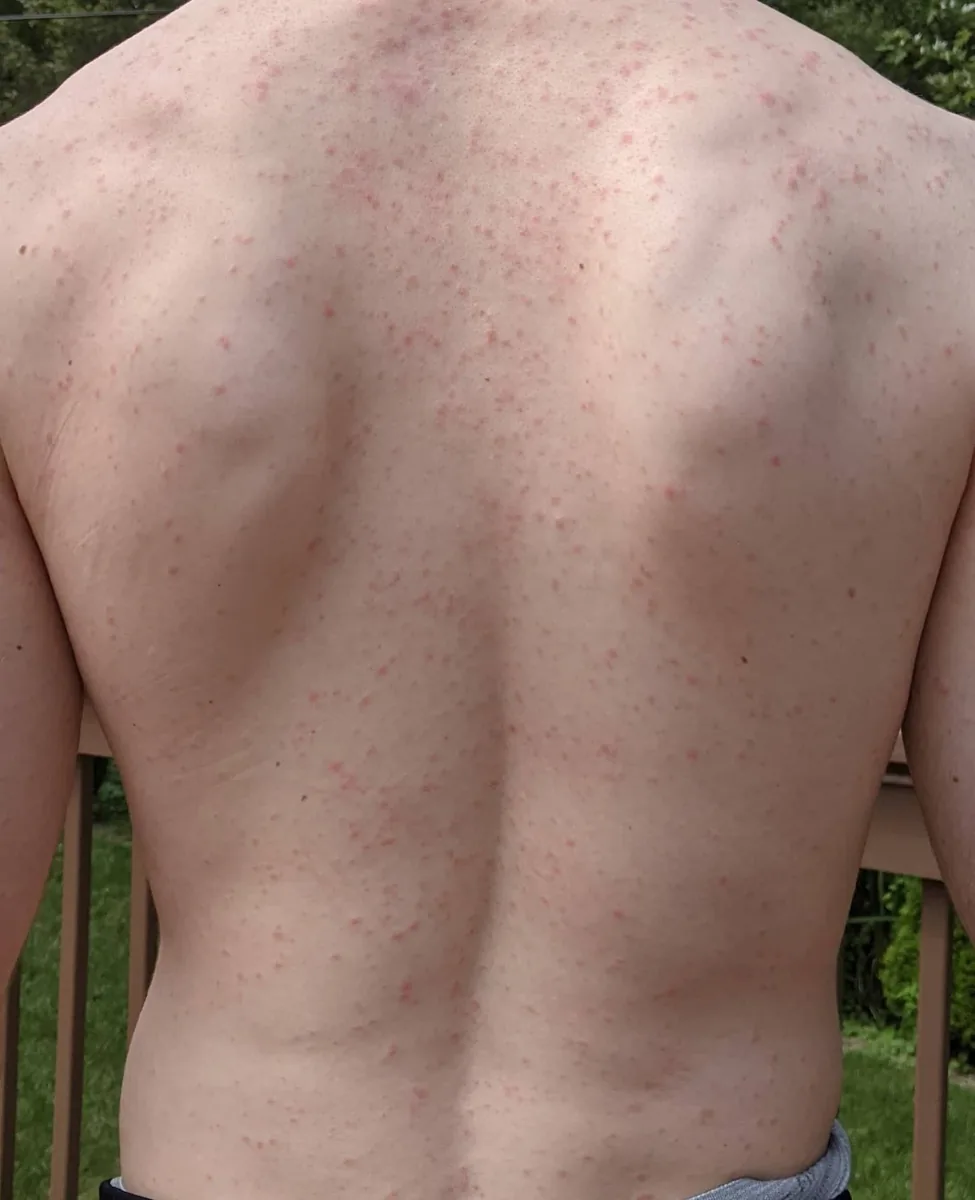
- Type IV (delayed, T cell-mediated): e.g. maculopapular exanthem, DRESS syndrome and Stevens-Johnson syndrome and toxic epidermal necrolysis.
Aetiopathogenesis
Some proteins and large polypeptides are directly immunogenic. Most drugs, however, are haptens: they bind covalently to serum or cell proteins, including peptides in MHC molecules, and render them immunogenic. Some substances become haptens only after metabolism (prohaptens), such as the beta-lactam metabolite benzylpenicilloyl. Others may stimulate T-cell receptors directly.
Once sensitisation has occurred, cross-reactions within and between drug classes can occur. Certain HLA class I alleles markedly increase the risk of severe reactions, for example HLA-B*57:01 for hypersensitivity caused by abacavir, HLA-B*58:01 for SJS/TEN and DRESS caused by a uricostatic drug, and HLA-B*15:02 and HLA-A*31:01 for reactions caused by carbamazepine.
Clinical features
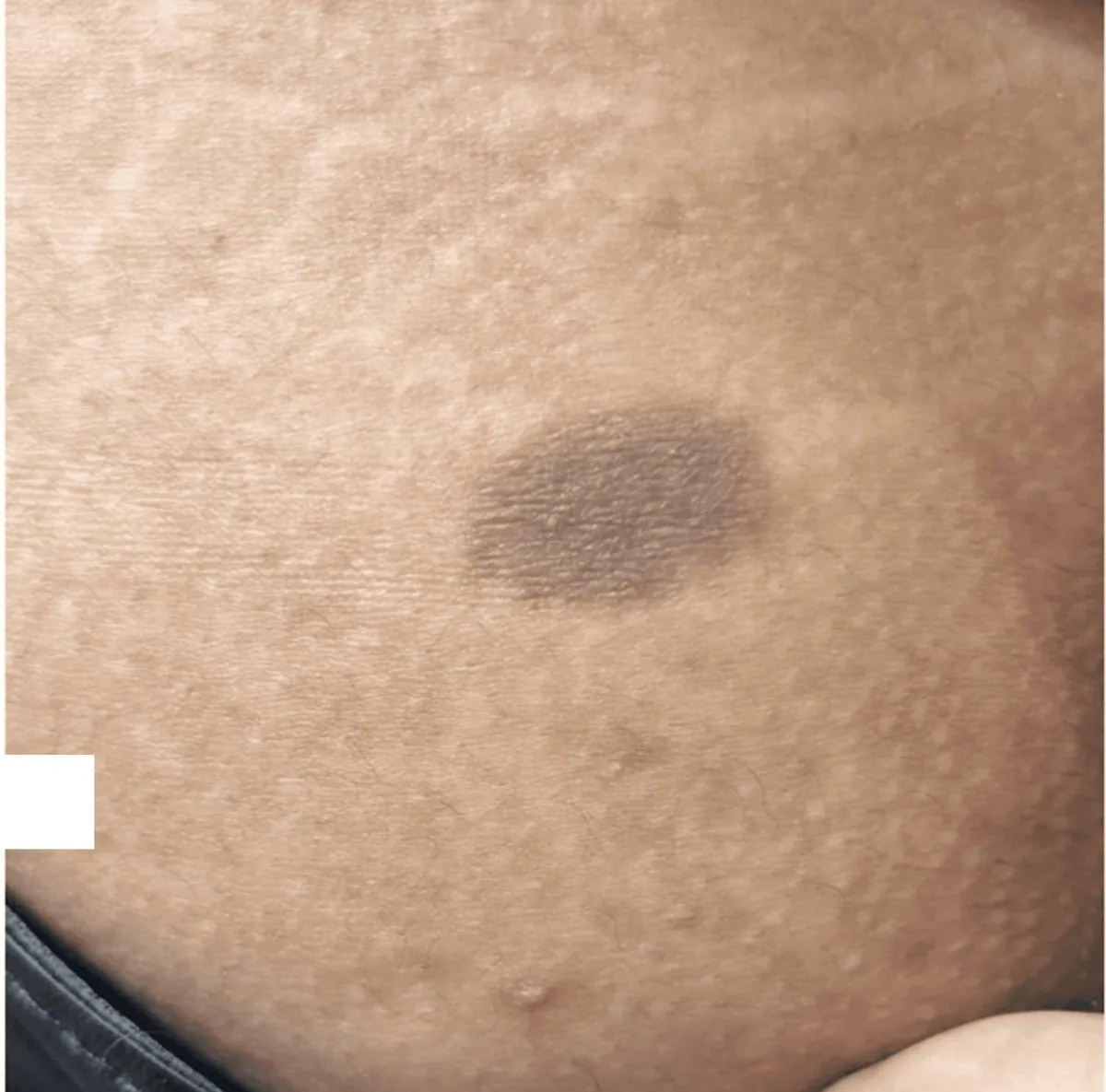
- Skin: most often rashes (e.g. morbilliform) and urticaria, frequently with fever. The uncommon fixed drug eruption recurs at the same body site on each re-exposure, often caused by NSAIDs, sulfonamides or tetracyclines.
- Anaphylaxis: the most severe form of immediate reaction.
- Serum sickness: fever, arthralgia up to arthritis, rash, edema and gastrointestinal symptoms.
- Severe cutaneous reactions: DRESS syndrome and Stevens-Johnson syndrome and toxic epidermal necrolysis.
- Blood: immune hemolytic anemia.
- Lung: interstitial lung disease with respiratory symptoms and deteriorating lung function.
- Kidney: most often tubulointerstitial nephritis, caused among others by NSAIDs, anti-infectives and gastric H⁺/K⁺-ATPase blockers.
- Autoimmune phenomena: drug-induced lupus erythematosus with positive antinuclear antibodies and p-ANCA-associated vasculitis.
Diagnosis
- History: nature and timing of the reaction, all drugs started in the preceding days to weeks including over-the-counter products, and previous reactions. A reaction within minutes to hours of intake suggests allergy; a reaction proportional to the amount taken suggests toxicity.
- Skin tests (prick and intradermal): for IgE-mediated reactions to beta-lactams, xenogeneic serum and some polypeptide hormones; unreliable for most other drugs and uninformative for non-type I reactions.
- Patch test: e.g. in fixed drug eruption.
- Provocation test: stepwise exposure to the suspected drug under controlled conditions; excluded after severe cutaneous reactions (SJS/TEN, DRESS, AGEP).
- Hematological reactions: direct and indirect antiglobulin test (Coombs test).
- Other methods: specific IgE, basophil or lymphocyte transformation tests are considered unreliable or experimental; HLA typing can identify people at risk in certain populations.
Keep learning in the app
Further reading (open access)
Cross-references
Note: Learning content for medical education – not a treatment recommendation and no substitute for diagnosis or treatment decisions in individual cases. Treatment and management are deliberately not covered on this page.