Erysipelas
In-depth: Clinically Important Facts on Pyodermas
Staphylococcus aureus — Exfoliative Toxins
- ETA and ETB are serine proteases that cleave Desmoglein-1 → intraepidermal cleavage (same mechanism as Pemphigus foliaceus).
Ecthyma
- Risk Factors: Typical risks are DM + HIV + CVI, poor hygiene, and entry points (prurigo, scabies).
- Pathogens: Frequently Strep. + Staph. + Pseudomonas.
- Complication: Post-streptococcal glomerulonephritis.
SSSS (Staphylococcal Scalded Skin Syndrome)
- Clinical Presentation: widespread erythema with Nikolsky-positive erosions, on the back due to sweat, DD-relevant to TEN (Histology: SSSS subcorneal, TEN dermo-epidermal!).
- Entry Point: Mostly Otitis media or pharyngitis with toxin-producing S. aureus.
Cellulitis vs. Erysipelas vs. Phlegmon vs. Necrotizing Fasciitis
| Entity | Depth | Pathogen | Clinical |
|---|---|---|---|
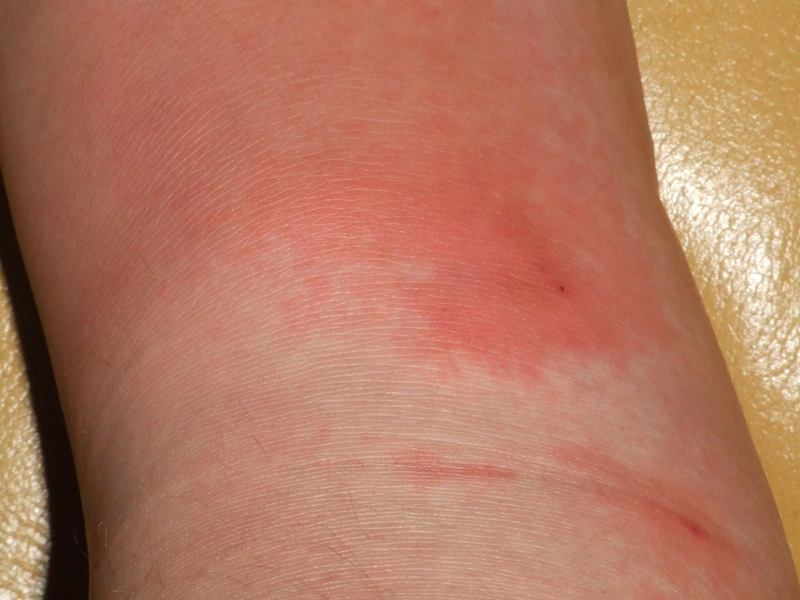
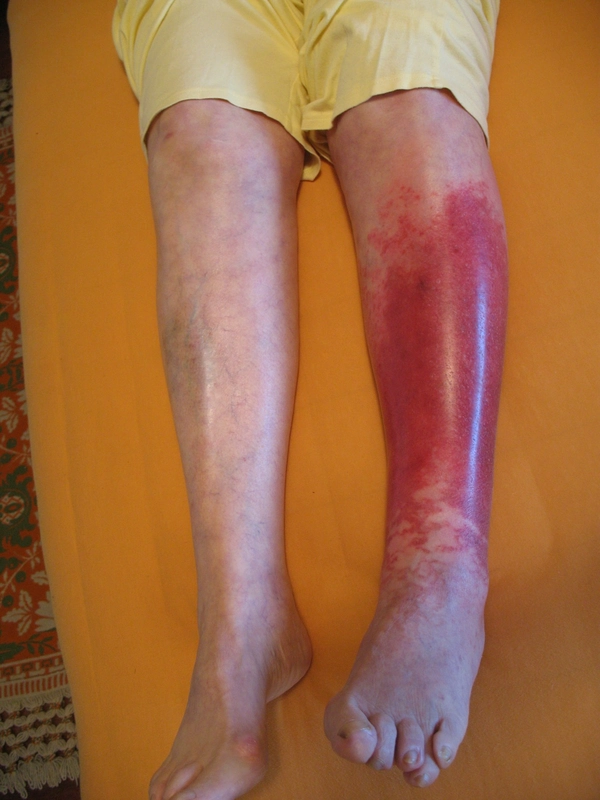
| Erysipelas | Dermis | 90% Strep. A | sharply demarcated, butterfly-shaped, rapid spread |
| Cellulitis | Dermis + Subcutis | Strep. A / Staph. aureus | less sharply demarcated, less invasive (English usage) |
| Phlegmon | Subcutis | Strep. A, Staph. aureus, mixed flora | indistinct, diffuse, infiltrative |
| NF | Fascia | Strep. A (Type II) / polymicrobial (Type I) | excruciating pain, rapid progression |
NF = Necrotizing Fasciitis · “Cellulitis” is the Anglo-American term, in German usage it largely overlaps with Phlegmone.
- Erysipelas Spread Direction: Typically distal to proximal via the lymphatic vessels.
- Facial Erysipelas: First choice — also on the face — is Penicillin G (or V); if response is insufficient or entry point suggests S. aureus, add Flucloxacillin or Amoxicillin/clavulanate.
- Erysipelas with a reported penicillin allergy: First sharpen the history: most reported "penicillin allergies" are not a true immediate-type allergy (rash during a viral infection, GI upset, a vague childhood label). With a mild, non-immediate reaction in the history a cephalosporin (e.g. cefazolin or cefuroxime) may be given — cross-reactivity of modern cephalosporins with penicillins is far below the historically quoted 10 % and depends mainly on similarity of the side chain rather than on the beta-lactam ring itself. With a true immediate reaction (urticaria, angioedema, anaphylaxis) or a severe cutaneous adverse reaction (SJS/TEN, DRESS), beta-lactams are avoided: the standard alternative is clindamycin, which additionally inhibits toxin synthesis at the 50S ribosome — alternatively macrolides (mind resistance rates), and linezolid or vancomycin in severe disease. After recovery, offer allergy testing and correct the allergy passport; unnecessary beta-lactam avoidance demonstrably worsens the quality of treatment.
- Erysipelas Recurrence Risk: 6 months ~ 10%, 3 years ~ 30%.
Necrotizing Fasciitis — Special Forms
- Fournier's Gangrene: Defined as genitoanal necrotizing fasciitis with fulminant polymicrobial course (E. coli + anaerobes + enterococci).
- Phlegmasia coerulea dolens: Characteristic is a fulminant venous blockade with livid leg + shock — emergency and important DD to necrotizing fasciitis.
Recurrent Streptococcal Perineal Dermatitis (Children)
- Clinical Presentation: sharply demarcated, bright red anogenital erythema in children, often with pruritus and painful defecation.
Differential diagnoses
- Phlegmon
- Erysipeloid
- Urticaria
- Angioedema
- Allergic contact dermatitis
- Herpes zoster
- Lupus Pernio (Sarcoidosis)
- Rosacea fulminans / Pyoderma faciale
Practise Erysipelas in the app
Flashcards with spaced repetition, exam questions and spot-the-diagnosis on this topic – in DermaFuchs, free of charge.
In the DermaFuchs app: 11 flashcards · 12 clinical images
Open in browser Download on the App StoreSources (selection)
More bacterial skin infections
Note: This page is intended for medical education and does not replace diagnosis or treatment decisions in individual cases. Treatment and follow-up content is available in the app.