Paraneoplastic dermatoses
Exam relevance: in 5 of more than 50 board exam reports · rank 29
- Synonyms
- Paraneoplasien der Haut, kutane Paraneoplasien, Hautzeichen bei Krebs, cutaneous paraneoplastic syndromes, skin signs of cancer
- Specialty
- Dermatology · Regional & special dermatoses
- Images
- Clinical 9
- In the app
- 6 flashcards
- Last updated
- 10/2026 · Dr. Pascal Bafteh
Contents
Images (9)
Definition
Paraneoplastic dermatoses are skin changes associated with an internal malignancy without being malignant themselves; they are distinct from cutaneous metastases and direct tumour spread. They may appear before, at the same time as or after the tumour and are sometimes the first sign of a previously undetected malignancy.
Classification
- Curth criteria for a causal relationship: dermatosis and tumour start at about the same time and follow a parallel course; the dermatosis is not part of a genetic syndrome; a specific dermatosis occurs with a specific tumour; it is rare in the general population; the association is frequent.
- Obligate paraneoplastic dermatoses are (almost) always associated with a malignancy, facultative ones occur more often with tumours but also with non-malignant diseases.
- The assignment varies: a recent review lists necrolytic migratory erythema and paraneoplastic pemphigus as obligate, and malignant acanthosis nigricans, the sign of Leser-Trélat, tripe palms and dermatomyositis as facultative; an older one counts acanthosis nigricans, erythema gyratum repens, acquired hypertrichosis lanuginosa, Bazex acrokeratosis and glucagonoma syndrome among the dermatoses fulfilling the Curth criteria.
Clinical features
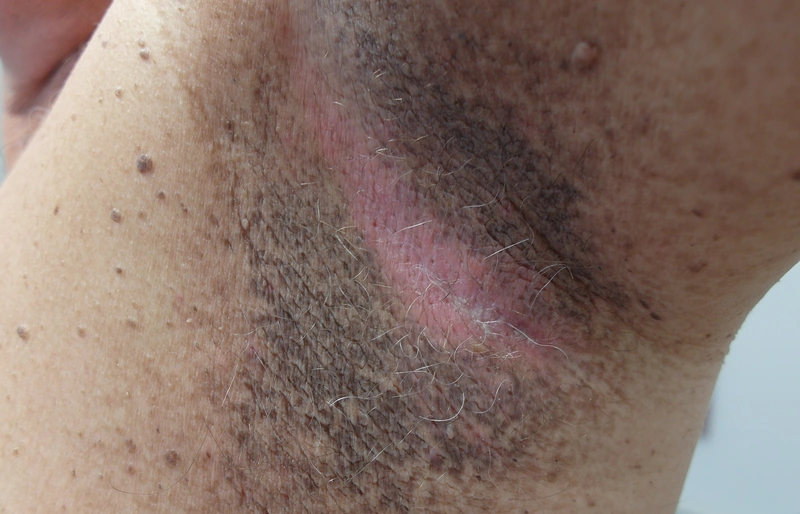
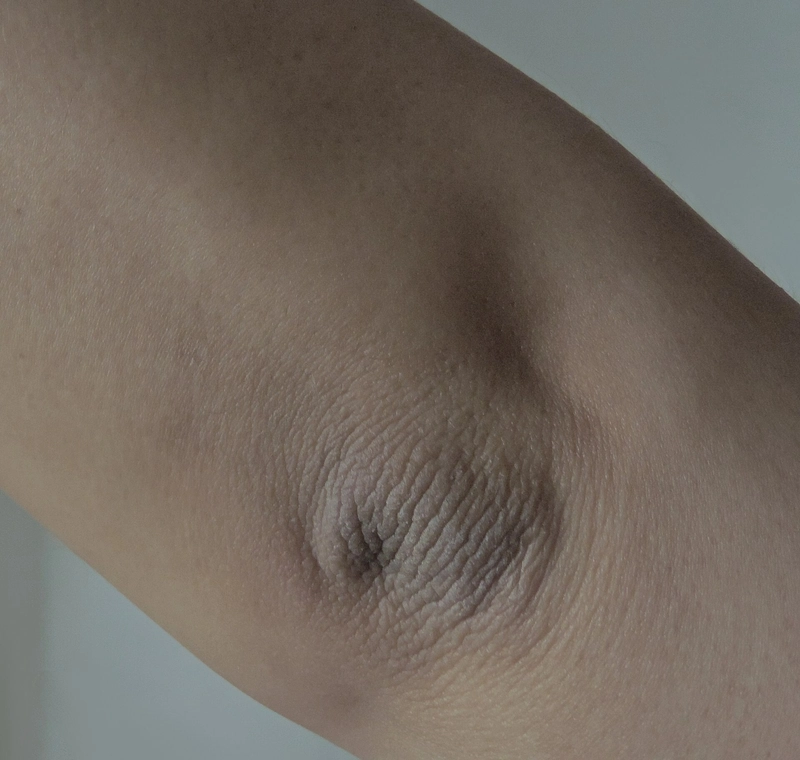
- Malignant acanthosis nigricans: abrupt, extensive, velvety brown thickening of the flexures in non-obese middle-aged adults, often itchy, with oral involvement in 25–50%; mostly gastrointestinal tumours, especially gastric adenocarcinoma (60%).
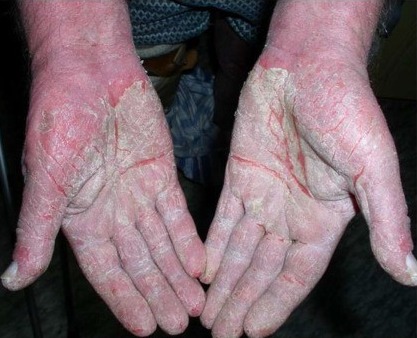
- Tripe palms: velvety thickened palms with accentuated skin ridges; according to Cohen 1989 (77 cases) associated with cancer in 94% and with acanthosis nigricans in 77%. When occurring alone, mostly lung carcinoma (53%); with acanthosis nigricans, frequently gastric (35%) or lung carcinoma (11%); in over 40% the first sign of the tumour.
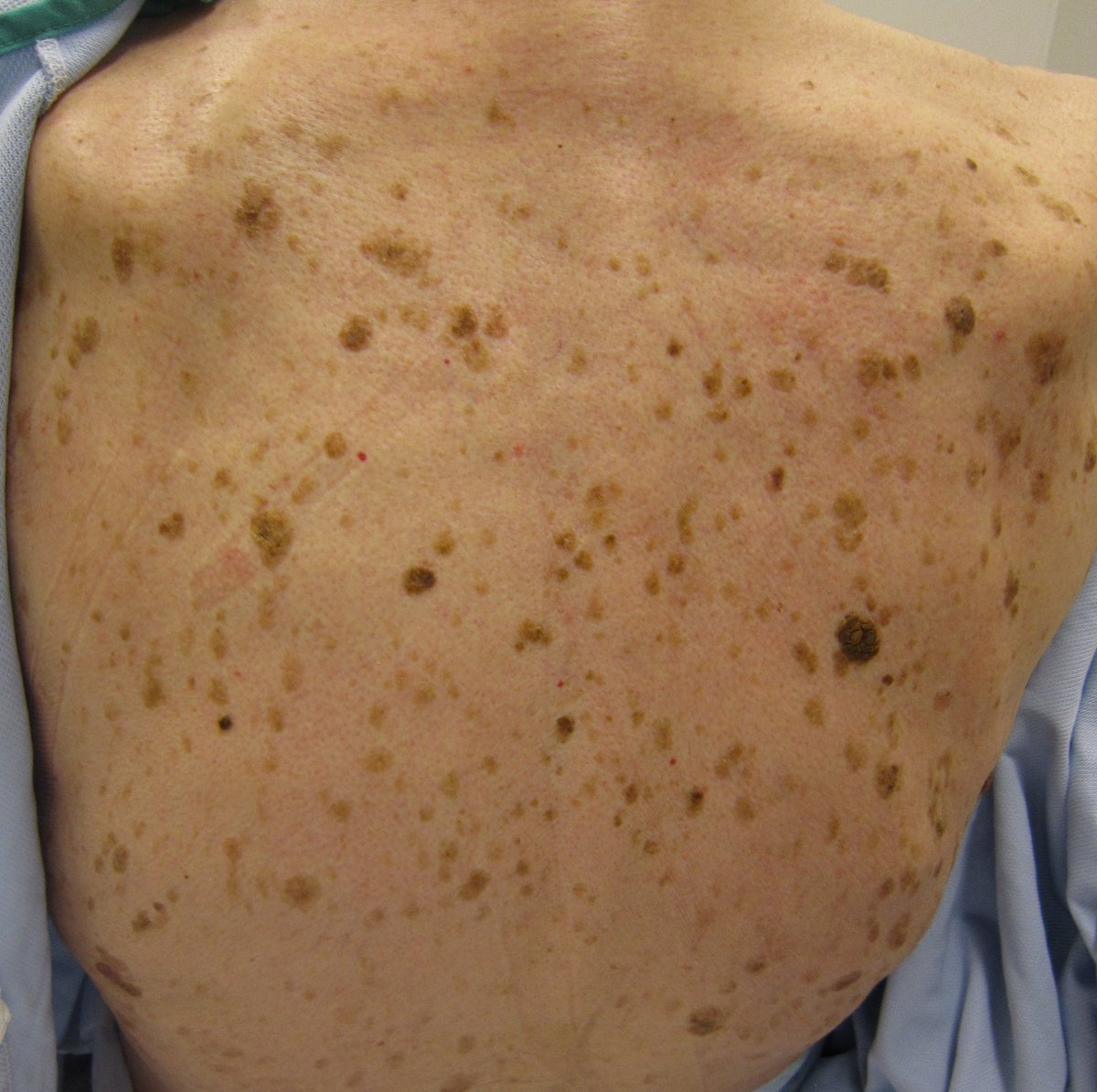
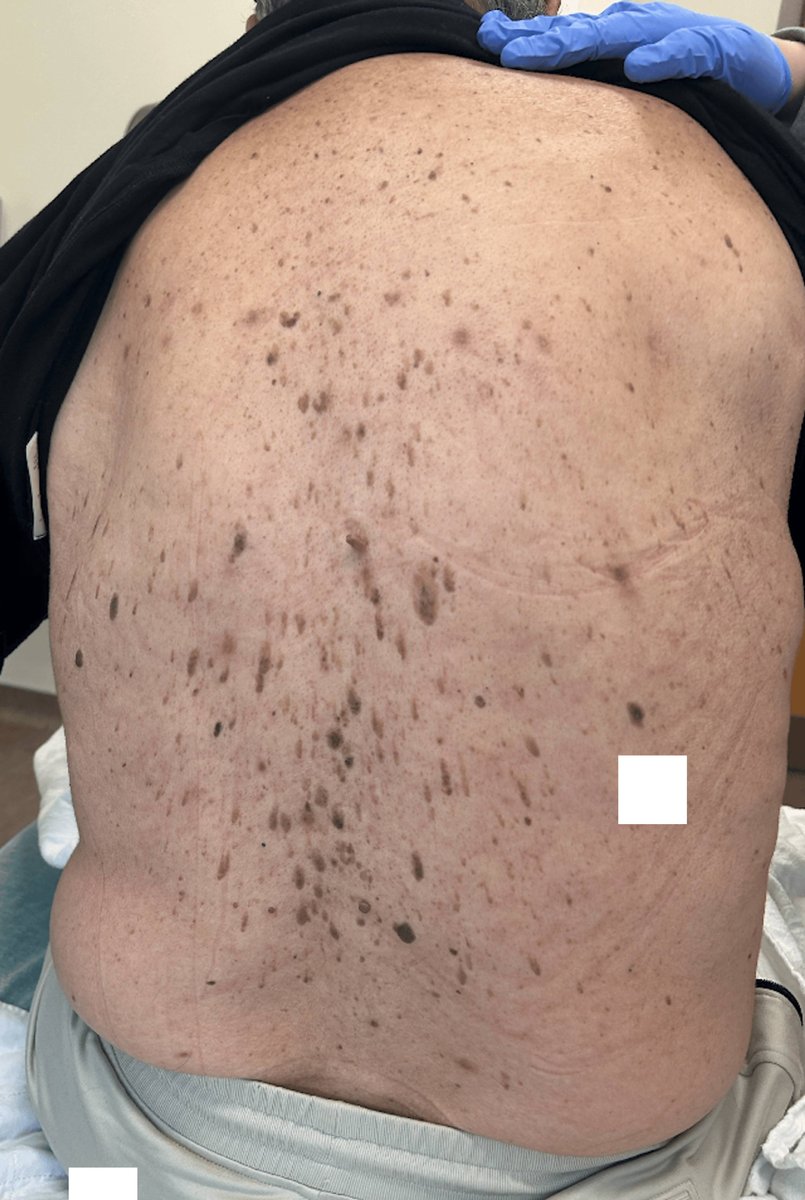
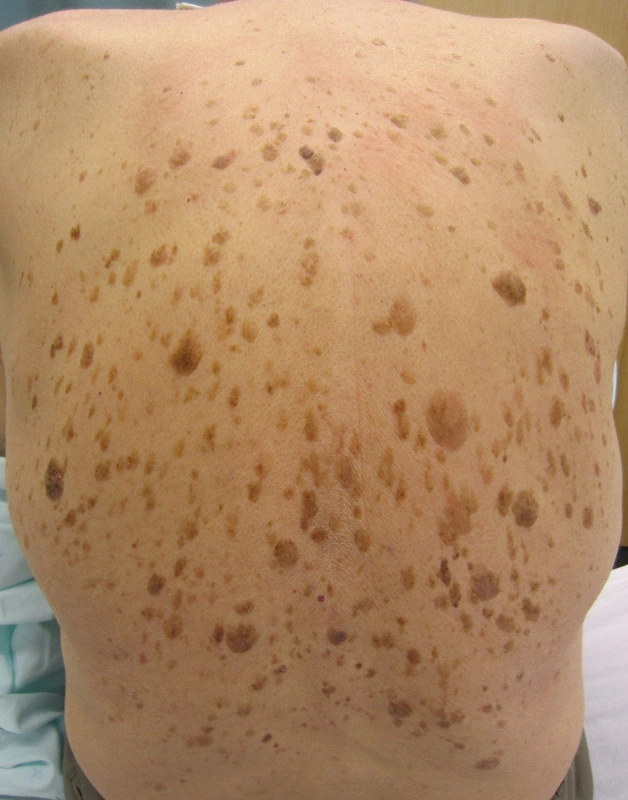
- Sign of Leser-Trélat: sudden appearance of numerous, rapidly growing seborrhoeic keratoses, often itchy; mostly adenocarcinoma of the stomach or colon; debated as a paraneoplastic sign because both are common in older age.
- Bazex acrokeratosis: symmetrical erythematous to violaceous scaly papules on the hands, feet, knees, ears and nose; squamous cell carcinomas, among others of the oropharynx, larynx, oesophagus and lung.
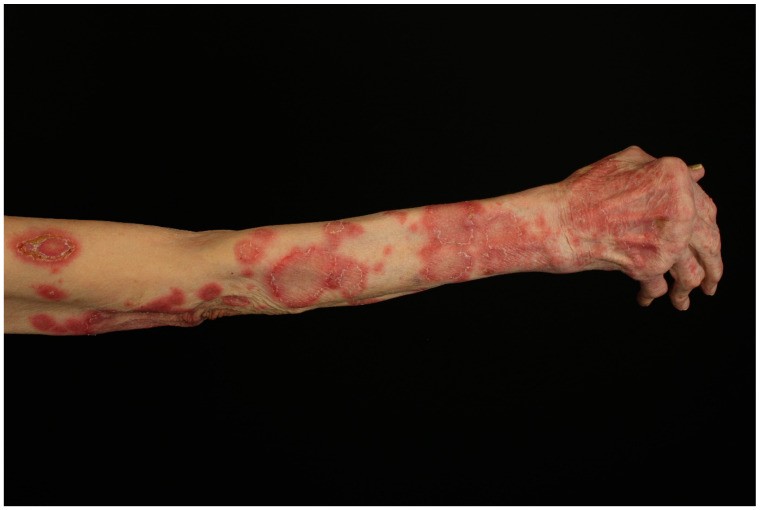
- Erythema gyratum repens: very itchy, concentric, wood-grain erythematous rings migrating about 1 cm per day; associated with cancer in 80%, almost half lung cancers (33–47%).
- Acquired hypertrichosis lanuginosa: rapidly growing, fine, unpigmented lanugo hair, especially on the face; frequently associated with cancer (eg, lung, breast, uterus, colorectum, lymphoma), but also possible as a drug effect or with non-malignant disease.
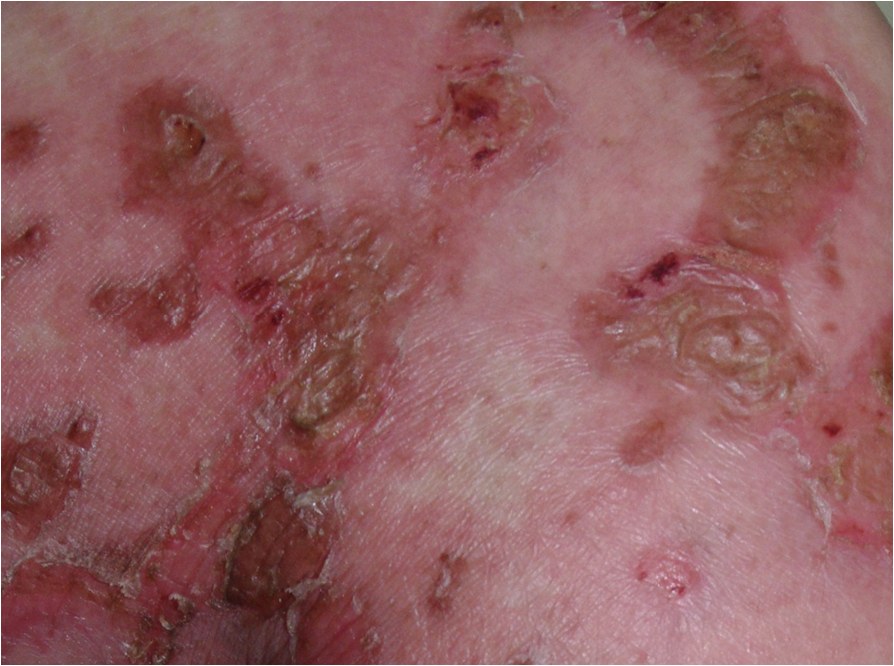
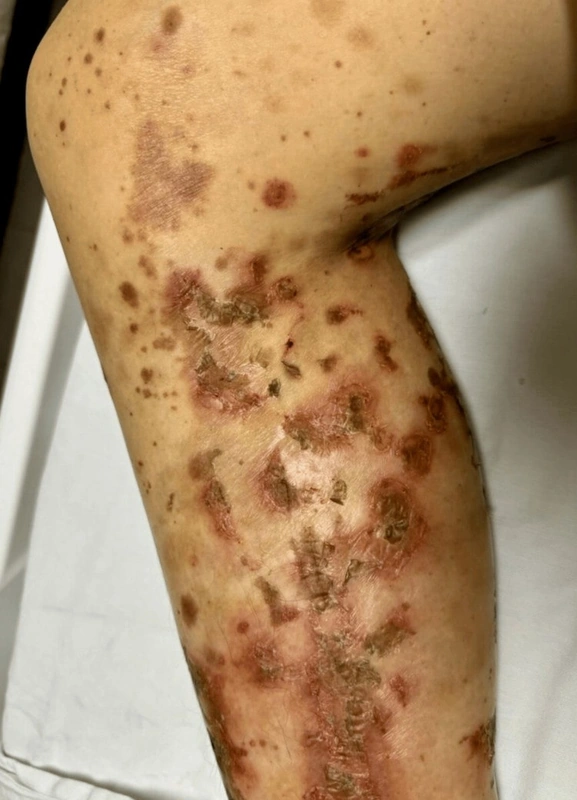
- Necrolytic migratory erythema: migrating, ring-shaped erythema with blisters, erosions and crusts, especially anogenital, gluteal, inguinal and on the lower legs; usually in glucagonoma (alpha-cell tumour of the pancreas) with diabetes, weight loss and diarrhoea.
- Paraneoplastic pemphigus: severe, painful mucositis, often the first sign, polymorphous skin lesions, sometimes bronchiolitis obliterans; almost always associated with a neoplasm, in about 84% lymphoproliferative (especially non-Hodgkin lymphoma, chronic lymphocytic leukaemia), in children often Castleman disease.
- Dermatomyositis: increased cancer risk, in the West especially ovarian, cervical, lung, bladder and prostate cancer, in Asia nasopharyngeal carcinoma.
Diagnosis
- Sudden acanthosis nigricans without typical risk factors (obesity, diabetes), or another suspicious dermatosis, prompts a targeted search for a tumour: history, physical examination, laboratory tests and, depending on findings, imaging and endoscopy.
- Histology is often non-specific (eg, tripe palms, erythema gyratum repens). Helpful findings are markedly raised glucagon (up to 1000 times normal) in necrolytic migratory erythema, antibodies against envoplakin and periplakin in paraneoplastic pemphigus, and myositis antibodies against TIF1-gamma and NXP-2, which are associated with an increased cancer risk.
Treatment principles
- The focus is on detecting and treating the underlying neoplasm; many paraneoplastic dermatoses regress after successful tumour treatment, and their reappearance may indicate recurrence.
- Depending on the condition, topical or systemic glucocorticoids and antihistamines are used symptomatically, and antimycotics for candidiasis.
- Care is interdisciplinary with oncology.
Specific treatment regimens with drugs and doses are covered in the DermaFuchs app.
Keep learning in the app
References (selection)
- Paraneoplastic Dermatoses: A Clue for Underlying Malignancies
- Skin: A mirror of internal malignancy
- Tripe palms and malignancy
- DermNet: Acanthosis nigricans
- DermNet: Sign of Leser-Trélat
- DermNet: Erythema gyratum repens
- DermNet: Acquired hypertrichosis lanuginosa
- DermNet: Necrolytic migratory erythema (glucagonoma syndrome)
Cross-references
Keep learning
Keep learning with flashcards, exam questions and spot diagnoses in the DermaFuchs app – free, in your browser or as an app.
Related pages: Dermatoses of pregnancy · Anal eczema · Aphthous ulcers (recurrent aphthous stomatitis)
Note: This page is intended for medical education and does not replace diagnosis or treatment decisions in individual cases.